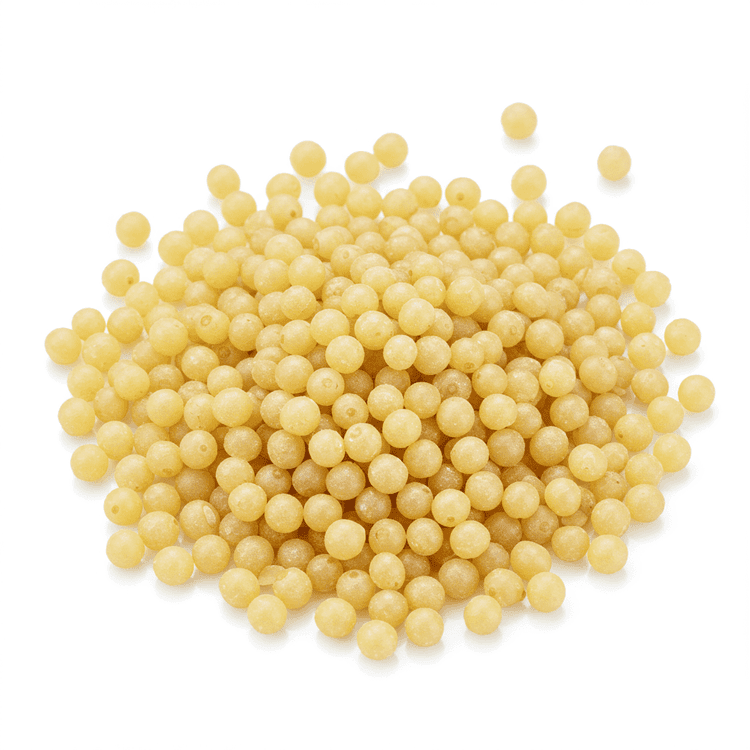
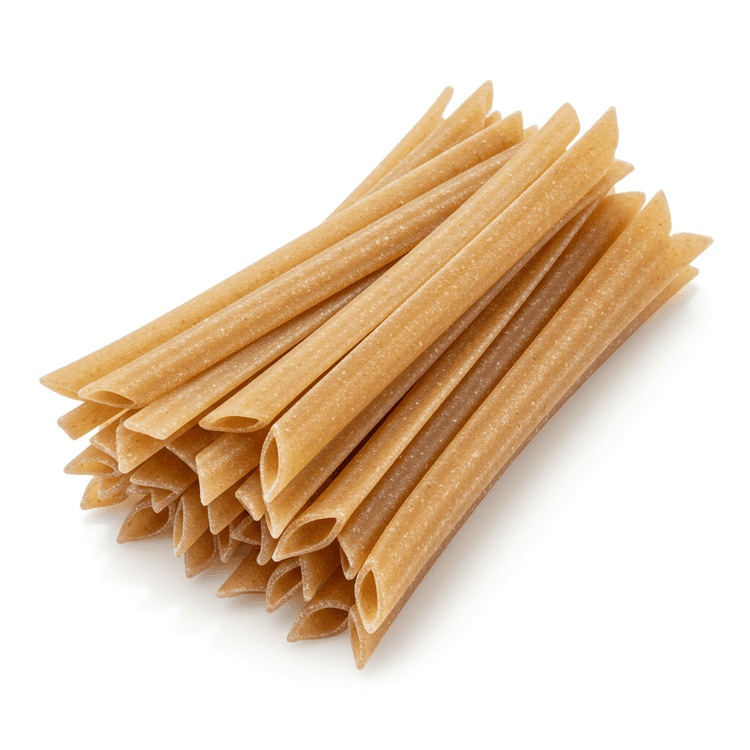
Staple foods form the foundation of diets worldwide, providing the bulk of our daily caloric intake and essential nutrients. These readily available and affordable ingredients are the unsung heroes of a balanced and nourishing diet. Think of rice, wheat, corn, potatoes, and legumes – the building blocks upon which countless culinary traditions are built. They are not just fillers; they are packed with vital nutrients that fuel our bodies and support overall health.
Many staple foods are excellent sources of complex carbohydrates, the body's preferred energy source. These carbohydrates are digested slowly, providing sustained energy levels and preventing blood sugar spikes. Whole grains, like brown rice and whole wheat, are particularly beneficial as they retain the bran and germ, offering a wealth of fiber, vitamins, and minerals. Fiber is crucial for digestive health, promoting regularity and helping to lower cholesterol levels. Whole grains are also rich in B vitamins, essential for energy metabolism and nerve function. Corn, a global staple, is a good source of antioxidants, which help protect cells from damage caused by free radicals.
Legumes, including beans, lentils, and peas, stand out as a plant-based source of protein, making them an invaluable staple for vegetarians and vegans. They are also packed with fiber, iron, and folate. Iron is vital for oxygen transport in the blood, preventing anemia, while folate is essential for cell growth and development, especially during pregnancy. Potatoes, another widely consumed staple, are often unfairly maligned. However, they are a good source of potassium, an electrolyte important for maintaining healthy blood pressure. They also provide vitamin C, an antioxidant that supports immune function.
Culinary applications of staples are virtually limitless. Rice forms the basis of countless Asian dishes, from stir-fries to sushi. Wheat is milled into flour for bread, pasta, and pastries, the cornerstone of many Western diets. Corn is used to make tortillas, polenta, and cornbread, essential components of Mexican and Southern cuisine. Potatoes can be boiled, mashed, roasted, or fried, starring in dishes like mashed potatoes, potato salad, and French fries. Legumes are used in soups, stews, salads, and dips, adding protein and texture to meals worldwide. Think of lentil soup, black bean burgers, and hummus – all based on humble but powerful legumes.
Incorporating a variety of staple foods into your diet is crucial for overall wellness. They provide a steady stream of energy, essential vitamins and minerals, and fiber to support digestive health. By choosing whole grains, legumes, and other nutrient-rich staples, you can create a foundation for a balanced and healthy eating pattern. These readily available and affordable ingredients are more than just fillers; they are the building blocks of a nourishing and satisfying diet, contributing significantly to long-term health and vitality. Don't underestimate the power of these everyday foods! ||
Staple are an essential part of a healthy diet, providing a wide range of nutrients and health benefits. Explore our collection of staple ingredients.