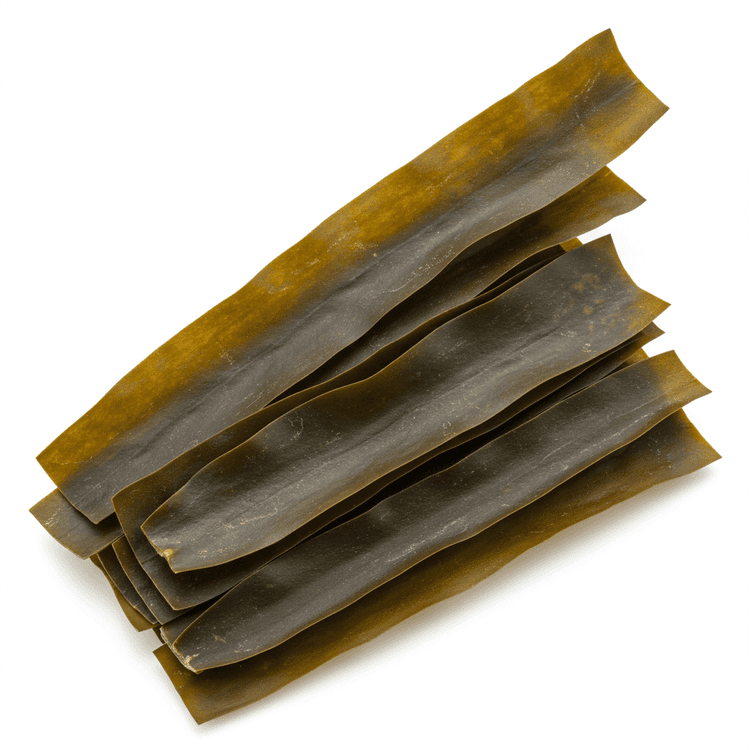
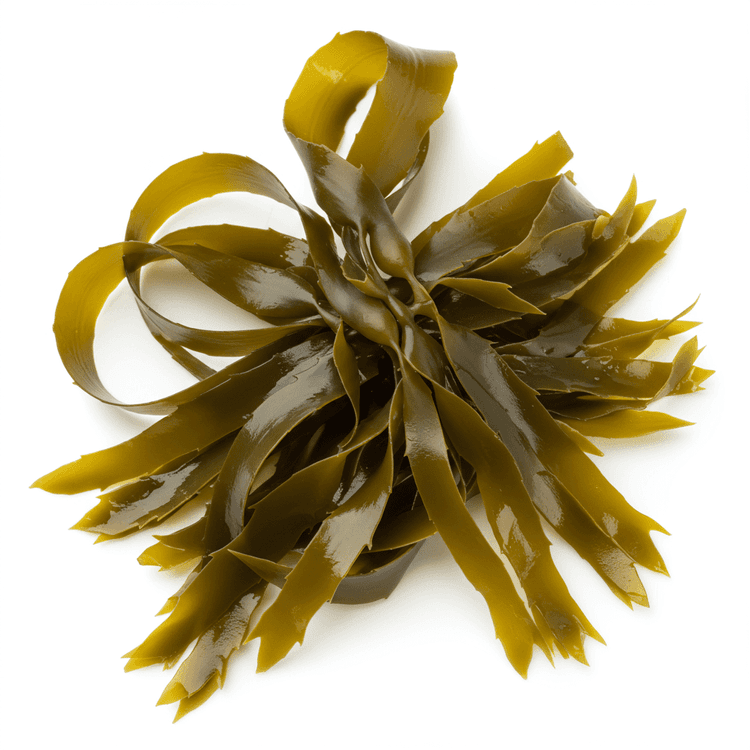
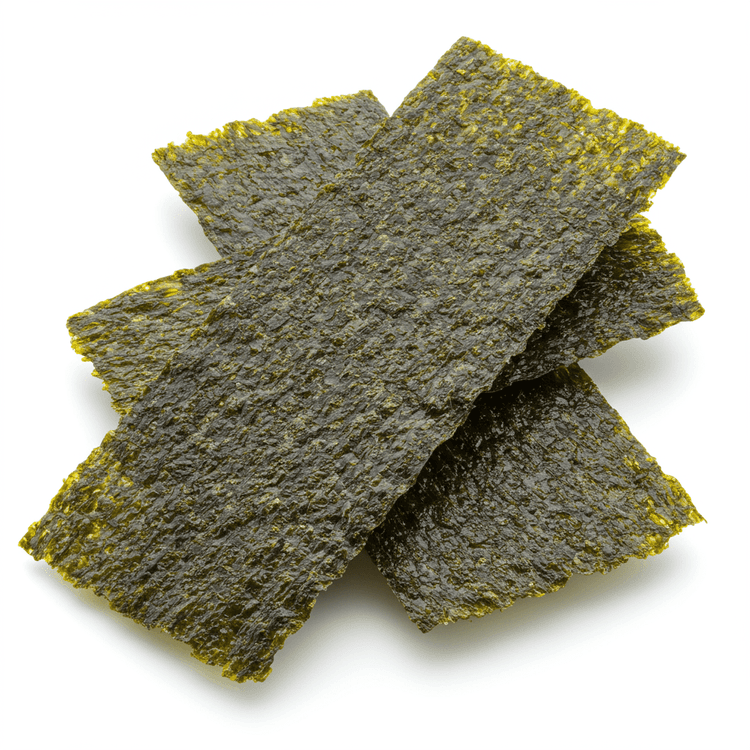
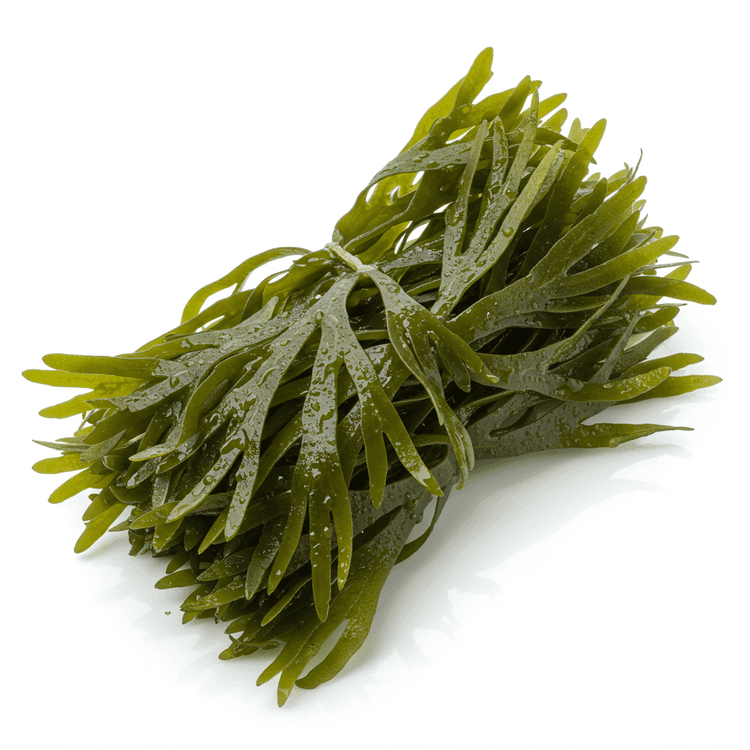
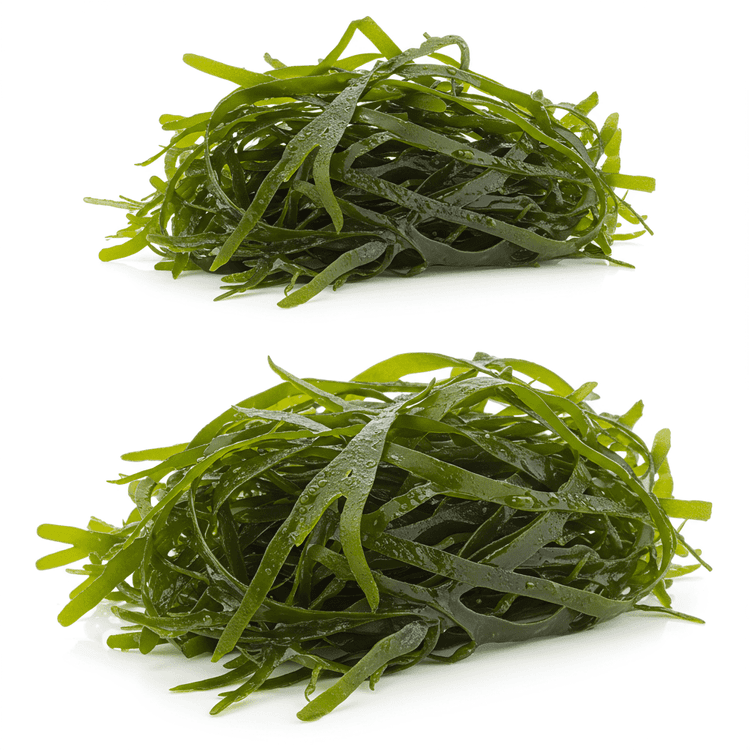
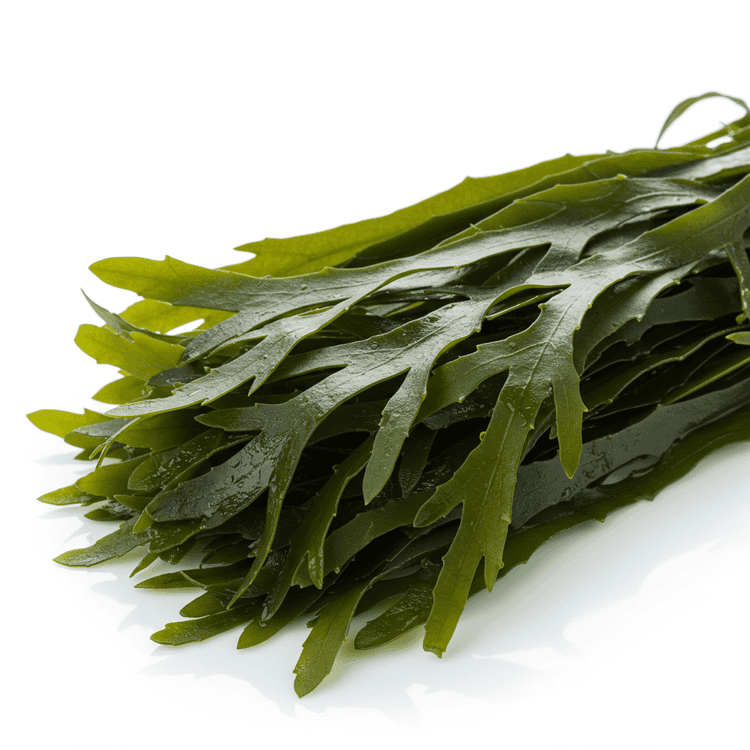
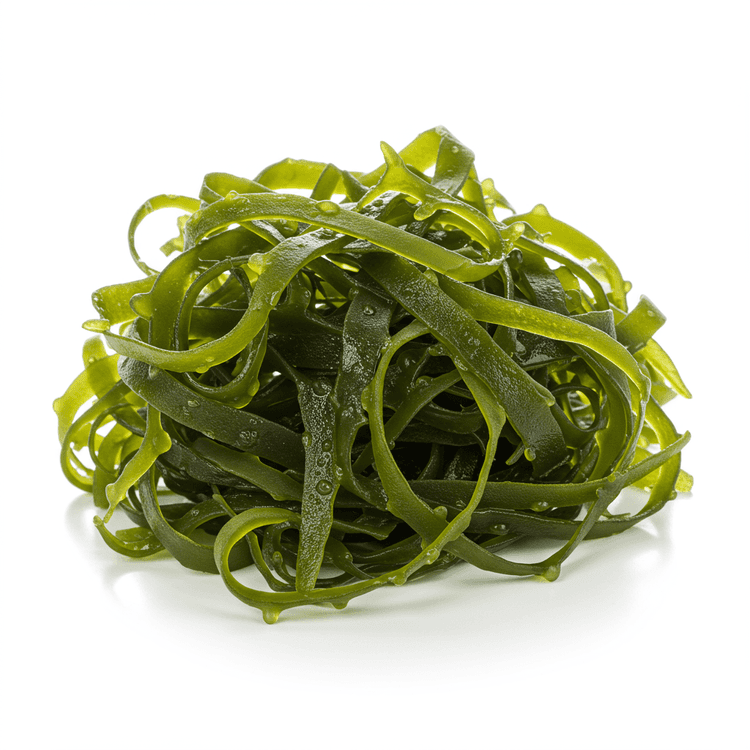
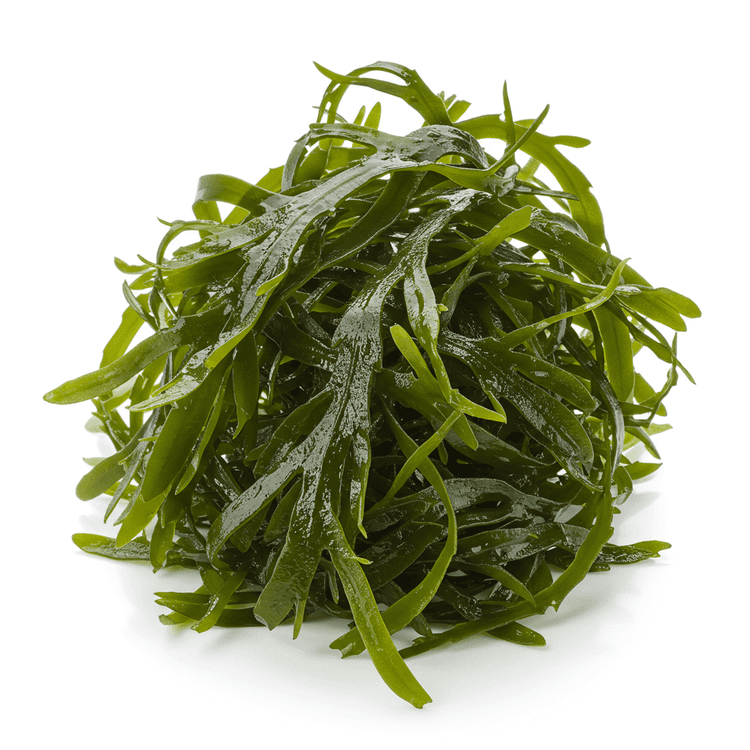
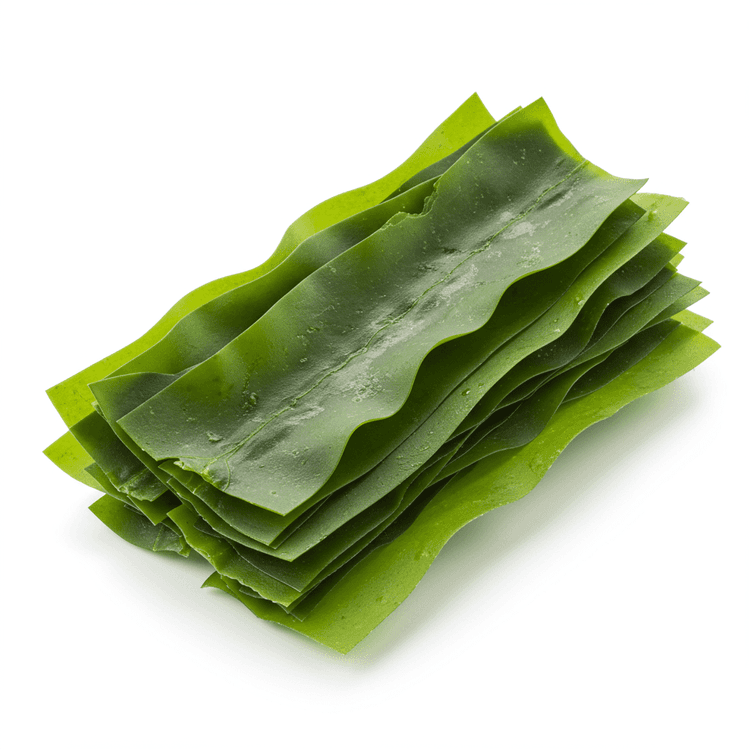
Sea vegetables, also known as seaweed, are a nutritional powerhouse hailing from the ocean's depths. This diverse category encompasses a wide range of edible marine algae, including nori, kelp, wakame, dulse, and spirulina, each boasting a unique flavor profile and impressive array of health benefits. For centuries, coastal communities have embraced sea vegetables as a staple food, and modern science is now confirming their remarkable contribution to overall wellness.
One of the most compelling reasons to incorporate sea vegetables into your diet is their exceptional mineral content. They are particularly rich in iodine, a crucial element for thyroid function and hormone regulation. Iodine deficiency can lead to hypothyroidism, characterized by fatigue, weight gain, and cognitive impairment. Sea vegetables also provide significant amounts of calcium, magnesium, iron, and potassium, essential minerals for bone health, muscle function, energy production, and maintaining healthy blood pressure. Furthermore, they are packed with vitamins, including vitamin A, vitamin C, and B vitamins, all playing vital roles in immune function, antioxidant defense, and cellular health.
Sea vegetables are also abundant in antioxidants, compounds that protect your cells from damage caused by free radicals. These antioxidants, such as fucoxanthin in wakame and phycocyanin in spirulina, have been linked to anti-inflammatory effects and may reduce the risk of chronic diseases like heart disease and cancer. The high fiber content in sea vegetables promotes digestive health, aids in weight management by increasing satiety, and helps regulate blood sugar levels. Different types of sea vegetables offer unique nutritional advantages. Nori, commonly used in sushi, is a good source of vitamin B12, often lacking in plant-based diets. Kelp is a concentrated source of iodine, while dulse provides a good amount of iron and potassium. Spirulina, a blue-green algae, is a complete protein source, containing all essential amino acids.
Culinary applications for sea vegetables are incredibly versatile. Nori is a staple in sushi rolls and can also be enjoyed as a crispy snack. Wakame adds a delicate flavor and texture to miso soup and salads. Kelp can be used to make broth or added to stews for extra nutrients. Dulse can be eaten as a snack or added to salads and sandwiches. Spirulina is often added to smoothies and juices for a nutritional boost. Sea vegetables can be dried, roasted, or added fresh to a variety of dishes. Experimenting with different types and preparations is a great way to discover your favorite ways to enjoy these oceanic treasures.
Integrating sea vegetables into a balanced diet is a fantastic way to boost your nutrient intake and support overall health. Their unique combination of minerals, vitamins, antioxidants, and fiber makes them a valuable addition to any meal plan. Whether you're looking to improve your thyroid function, boost your immune system, or simply add more variety and flavor to your diet, sea vegetables offer a delicious and nutritious solution. By incorporating these marine plants into your cooking, you're not only enhancing the taste and nutritional value of your meals but also tapping into a rich tradition of sustainable and health-promoting food practices. ||
Sea Vegetable are an essential part of a healthy diet, providing a wide range of nutrients and health benefits. Explore our collection of sea vegetable ingredients.