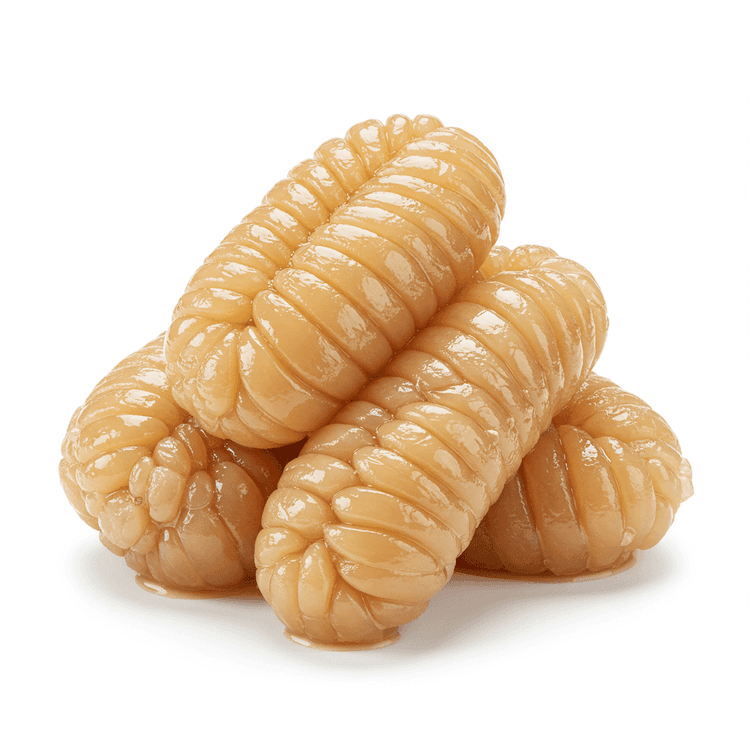
Roe, the fully ripe egg masses of aquatic animals like fish and shellfish, offers a unique nutritional profile and culinary versatility that makes it a valuable addition to a balanced diet. Often considered a delicacy, roe provides a concentrated source of essential nutrients, setting it apart from other seafood options.
From a nutritional standpoint, roe is exceptionally rich in omega-3 fatty acids, particularly EPA (eicosapentaenoic acid) and DHA (docosahexaenoic acid). These fatty acids are crucial for brain health, cognitive function, and cardiovascular well-being. Studies have shown that adequate omega-3 intake can contribute to improved mood, reduced inflammation, and a lower risk of heart disease. Furthermore, roe is an excellent source of vitamin B12, a nutrient vital for nerve function, DNA synthesis, and red blood cell formation. Vitamin B12 deficiency can lead to fatigue, weakness, and neurological problems, making roe a particularly valuable food for individuals at risk of deficiency, such as vegetarians and older adults. Roe also contains significant amounts of vitamin D, which is essential for calcium absorption, bone health, and immune function. In addition, roe offers a good source of selenium, an antioxidant that protects cells from damage and supports thyroid function.
Culinary uses of roe are diverse and vary depending on the type of roe and cultural preferences. Caviar, derived from sturgeon roe, is perhaps the most well-known and luxurious form, typically served as a garnish or spread on crackers or blinis. Other types of roe, such as salmon roe (ikura), flying fish roe (tobiko), and capelin roe (masago), are commonly used in sushi, sashimi, and other Japanese dishes. These roes add a burst of flavor and a unique textural element to the dishes. Roe can also be pan-fried, baked, or added to sauces and dips for a savory and umami-rich flavor boost. In many cuisines, roe is enjoyed simply on toast or as a component of more elaborate appetizers. The salty, briny flavor of roe complements a wide range of ingredients, from creamy cheeses to fresh herbs and citrus fruits.
Integrating roe into a balanced diet can offer significant health benefits due to its concentrated nutrient content. The high levels of omega-3 fatty acids contribute to heart and brain health, while the abundance of vitamins B12 and D supports nerve function, bone health, and immune function. While roe is relatively high in cholesterol, dietary cholesterol has less impact on blood cholesterol levels than saturated and trans fats for most people. However, individuals with specific dietary restrictions or health concerns should consult with a healthcare professional. Roe provides a unique combination of nutrients not easily found in other foods, making it a valuable addition to a well-rounded diet. Its culinary versatility also allows for creative and delicious incorporation into a variety of dishes, appealing to both health-conscious individuals and adventurous food enthusiasts. Choosing sustainably sourced roe is important to support responsible fishing practices and preserve marine ecosystems. ||
Roe are an essential part of a healthy diet, providing a wide range of nutrients and health benefits. Explore our collection of roe ingredients.