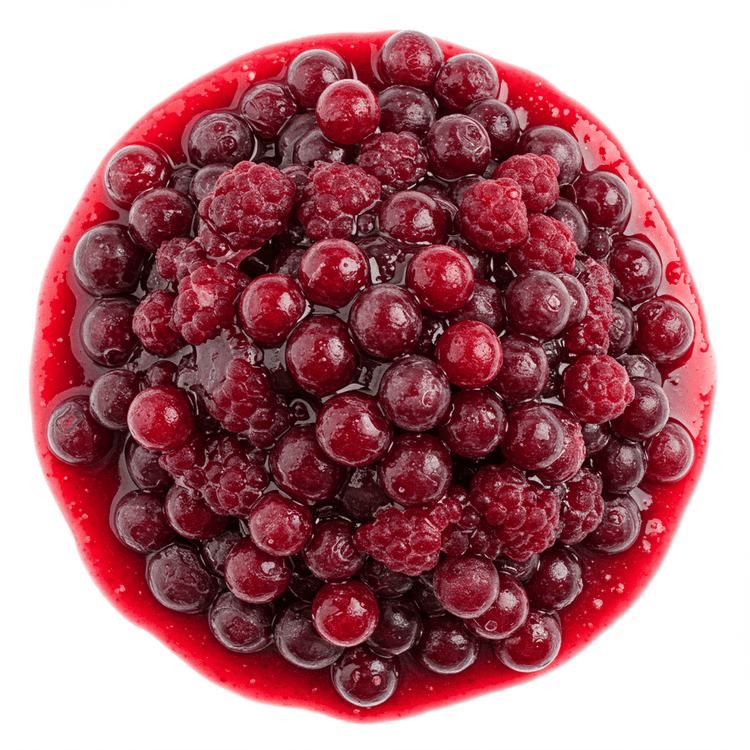
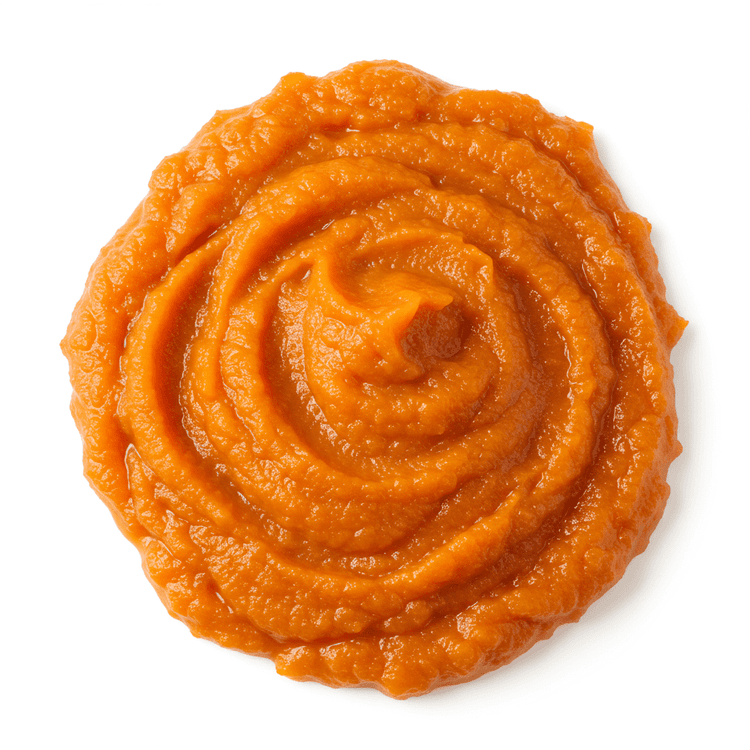
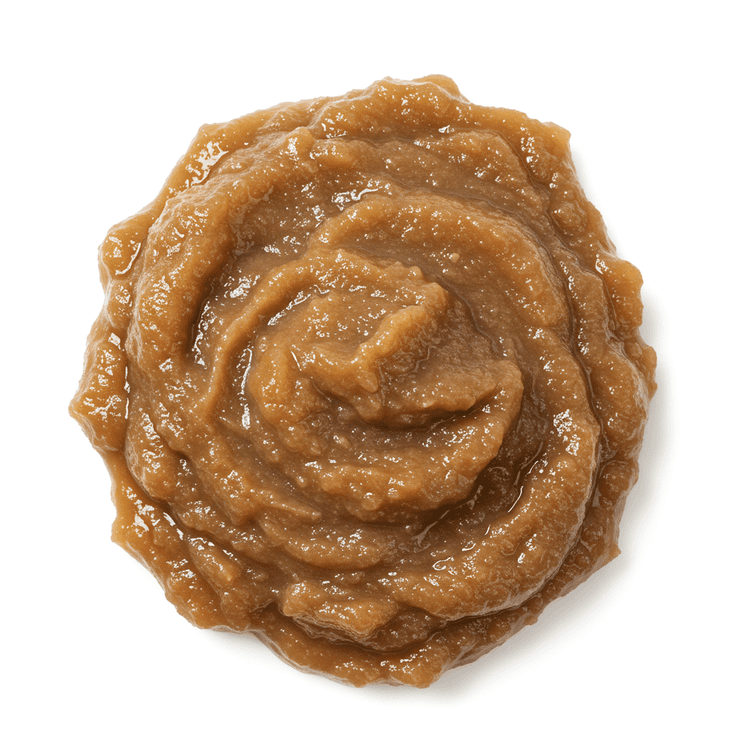
Purees, the smooth and luscious creations of blended fruits, vegetables, or even meats, are a versatile and nutritious addition to any diet. Beyond their delightful textures, purees offer a concentrated source of vitamins, minerals, and antioxidants, making them an excellent choice for everyone from infants and seniors to athletes and health-conscious home cooks. Think of apple puree delivering a boost of vitamin C and dietary fiber, or butternut squash puree providing a rich dose of beta-carotene, which the body converts to vitamin A, essential for vision and immune function. Spinach puree is a fantastic source of iron, crucial for energy levels, while tomato puree offers lycopene, a powerful antioxidant linked to reduced risk of certain cancers. Many purees are also naturally low in sodium and fat, contributing to heart health.
In the culinary world, purees are incredibly adaptable. They serve as a base for creamy soups, adding depth and body without the need for heavy cream. Consider a classic tomato soup, a vibrant carrot and ginger soup, or a comforting potato leek soup, all elevated by the velvety texture of their respective purees. They can be incorporated into sauces, adding richness and flavour to pasta dishes or grilled meats. Imagine a roasted red pepper puree swirled into a creamy pesto sauce or a sweet potato puree complementing a pan-seared pork chop. Fruit purees, such as those made from berries, peaches, or mangoes, can be used to create delicious smoothies, frozen desserts, or healthy fillings for baked goods. They're also a popular ingredient in baby food, providing a gentle and easily digestible way to introduce new flavors and nutrients to infants. When baking, purees can add moisture and subtle sweetness to cakes, muffins, and breads, often allowing for a reduction in added fats and sugars. Banana puree is a popular choice for this purpose, adding a natural sweetness and moistness to baked goods. Beyond traditional dishes, purees can also be used in more creative ways, such as thickening sauces or gravies, adding moisture to stuffings, or even creating colorful and flavorful dips for vegetables and chips.
The importance of purees in a balanced diet lies in their ability to deliver a concentrated dose of nutrients in an easily digestible form. This is particularly beneficial for individuals with difficulty chewing or swallowing, such as young children or the elderly. Purees also offer a convenient way to increase fruit and vegetable intake, which is often a challenge for many people. Their versatility makes them easy to incorporate into a wide range of meals and snacks, making it simpler to meet daily nutritional needs. Furthermore, the process of pureeing often enhances the bioavailability of certain nutrients, meaning the body can absorb them more effectively. For example, pureeing tomatoes increases the amount of lycopene that the body can access. By adding purees to your diet, you can enjoy a delicious and convenient way to boost your nutrient intake and support overall health and wellness. Don't underestimate the power of these smooth, flavourful creations - they are a nutritional powerhouse in disguise! ||
Puree are an essential part of a healthy diet, providing a wide range of nutrients and health benefits. Explore our collection of puree ingredients.