Navigating the world of food additives can be tricky, especially when it comes to preservatives. These substances play a crucial role in extending the shelf life of our favorite foods, preventing spoilage, and ensuring food safety. However, understanding what preservatives are, how they work, and their impact on our health is essential for making informed dietary choices.
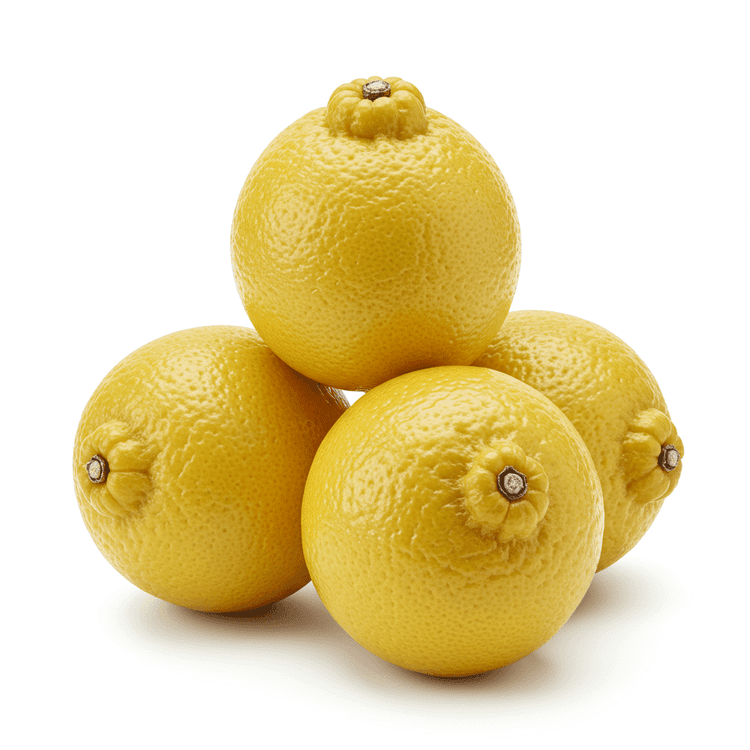
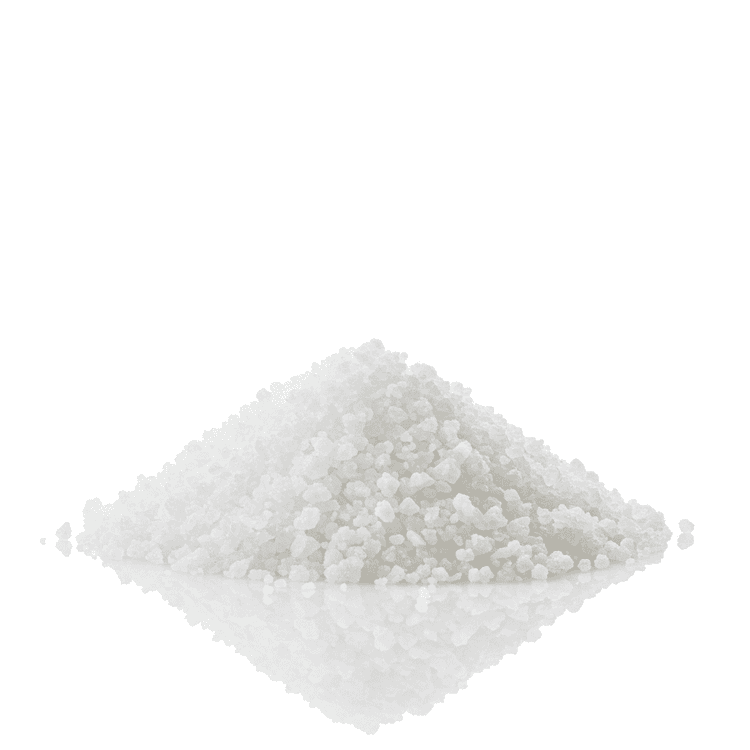
Preservatives are broadly categorized into natural and artificial types. Natural preservatives, such as salt, sugar, vinegar, and citric acid, have been used for centuries. They work by inhibiting the growth of bacteria, yeast, and mold, which are responsible for food degradation. For example, salt draws moisture out of food, making it inhospitable to microorganisms. Vinegar's acidity creates an unfavorable environment for microbial growth, while citric acid, found in citrus fruits, acts as an antioxidant and pH regulator. Honey, with its low water activity and antimicrobial properties, has also been employed as a natural preservative.
Artificial preservatives are synthetically produced chemicals designed to perform similar functions. Common examples include benzoates (like sodium benzoate), sorbates (like potassium sorbate), nitrites (used in cured meats), and sulfites. These additives are often used in processed foods, beverages, and baked goods to maintain their quality and freshness for extended periods. For instance, nitrites inhibit the growth of Clostridium botulinum, the bacteria responsible for botulism, a potentially deadly form of food poisoning. Sorbates are effective against yeast and mold in cheeses, wines, and baked goods. Benzoates are used in acidic foods like salad dressings and carbonated beverages.
The use of preservatives is particularly important in preventing foodborne illnesses and reducing food waste. Without preservatives, many foods would spoil quickly, leading to significant economic losses and potential health risks. However, some individuals may experience sensitivities or allergic reactions to certain preservatives. Sulfites, for example, can trigger asthma attacks in sensitive individuals. Therefore, it's crucial to read food labels carefully and be aware of potential allergens.
While preservatives play a vital role in modern food production, a balanced approach to food choices is recommended. Opting for fresh, whole foods whenever possible can minimize your exposure to artificial preservatives. Preparing meals at home allows you to control the ingredients and avoid unnecessary additives. When purchasing processed foods, carefully examine the ingredient list and choose products with fewer artificial preservatives or those that utilize natural alternatives. Understanding the different types of preservatives and their effects can empower you to make healthier and more informed decisions about the foods you consume, supporting both your well-being and minimizing potential risks associated with certain additives. By focusing on a diet rich in fresh, minimally processed foods, you can naturally reduce your reliance on foods that require high levels of preservation. ||
Preservative are an essential part of a healthy diet, providing a wide range of nutrients and health benefits. Explore our collection of preservative ingredients.