Prepared foods offer convenience in our fast-paced lives, but understanding their nutritional profile is crucial for maintaining a balanced diet. While the category encompasses a vast range of options, from ready-to-eat meals to pre-cut vegetables, focusing on nutrient-rich choices is key.
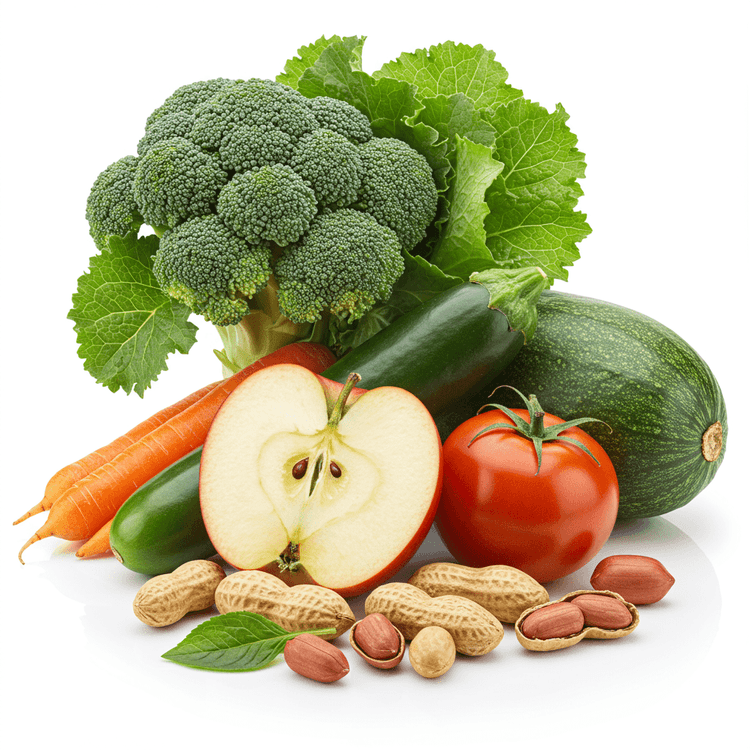
Many prepared foods, especially those emphasizing whole ingredients, can be valuable sources of essential vitamins and minerals. Pre-cut fruits and vegetables, for example, provide vitamins like Vitamin C, vital for immune function and skin health, and Vitamin A, important for vision and cell growth. Pre-portioned salads can be packed with leafy greens, offering folate, crucial for cell division and preventing neural tube defects during pregnancy, as well as vitamin K, essential for blood clotting. Look for options with diverse colors and textures, indicating a wider array of beneficial phytonutrients and antioxidants, which combat free radicals and protect against chronic diseases. Choose prepared meals featuring whole grains like quinoa or brown rice to increase fiber intake, promoting gut health and satiety.
Prepared foods are incredibly versatile in culinary applications. Ready-to-cook marinated meats simplify grilling and roasting, while pre-chopped vegetables drastically reduce prep time for stir-fries, soups, and stews. Frozen prepared meals can be a lifesaver on busy weeknights, offering a quick and easy way to enjoy a balanced meal. Explore options with lean proteins, like fish or chicken, and plenty of vegetables. Experiment with different cuisines – many prepared food sections offer global flavors that can expand your culinary horizons without requiring hours in the kitchen. Be mindful of sodium content and added sugars when selecting prepared foods; reading nutrition labels carefully is essential for making informed choices.
The importance of prepared foods in a balanced diet lies in their potential to streamline meal preparation and encourage healthier eating habits, especially for individuals with limited time or cooking skills. They can provide access to a wider variety of foods, including those that might otherwise be excluded due to preparation complexity. However, it's crucial to choose options that prioritize whole, unprocessed ingredients and minimize added sugars, sodium, and unhealthy fats. Opting for freshly prepared foods from local markets or restaurants can also be a healthier alternative to highly processed, packaged options. Remember, convenience doesn't have to come at the expense of nutrition. By making smart choices, prepared foods can be a valuable tool in achieving and maintaining overall wellness, offering a practical way to incorporate nutrient-rich foods into a busy lifestyle and supporting long-term health. ||
Prepared Food are an essential part of a healthy diet, providing a wide range of nutrients and health benefits. Explore our collection of prepared food ingredients.