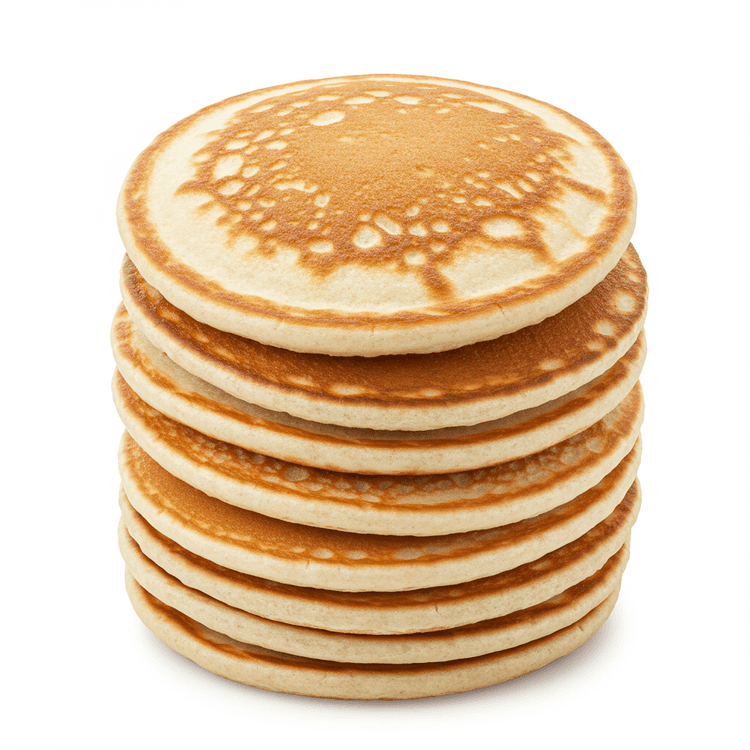
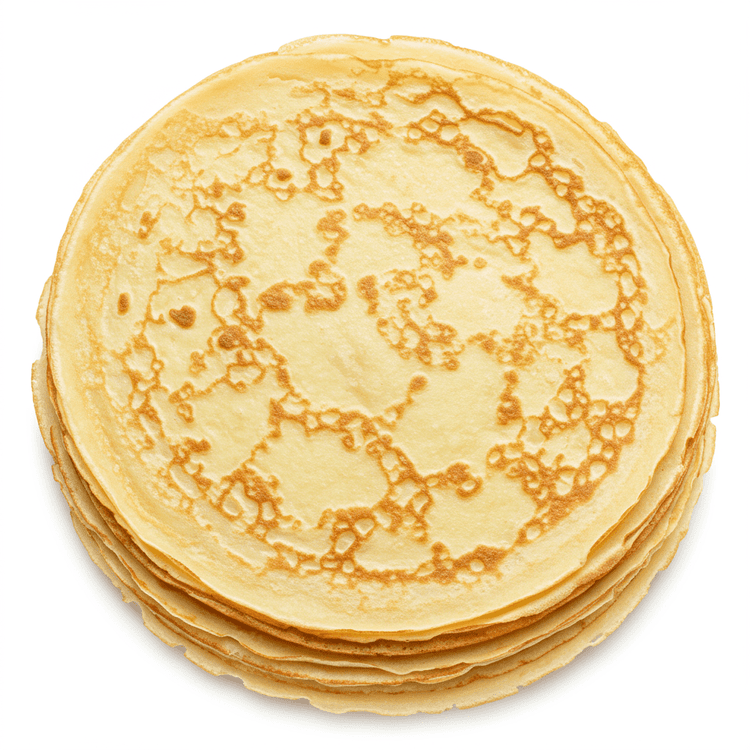
Pancakes, those fluffy discs of deliciousness, often get a bad rap in the health world. But let's be honest, who doesn't love a stack of warm pancakes on a weekend morning? While traditionally associated with sugary syrups and refined flours, pancakes can actually be a surprisingly versatile and even nutritious addition to a balanced diet, depending on the ingredients you choose.
Let's start with the basics. Pancakes are fundamentally a batter-based food, meaning their nutritional profile hinges on the flour, liquid, and other additions used. A simple pancake made with white flour offers primarily carbohydrates, providing quick energy. However, upgrading your ingredients can significantly boost the nutritional value. Consider swapping white flour for whole wheat flour, buckwheat flour, or even almond flour to increase fiber content. Fiber aids digestion, promotes satiety, and helps regulate blood sugar levels. Incorporating ingredients like oats also adds soluble fiber, known for its cholesterol-lowering benefits.
Eggs are another key component, offering a valuable source of protein and essential nutrients like choline, important for brain health. Milk, or dairy-free alternatives like almond milk or oat milk, contributes calcium and vitamins. Furthermore, incorporating additions like flaxseed or chia seeds introduces healthy fats, particularly omega-3 fatty acids, which are beneficial for heart health and brain function. Blueberries, raspberries, and other fruits are fantastic additions, providing antioxidants that combat free radicals and protect against cellular damage. They also contribute vitamins, such as vitamin C, and add natural sweetness, reducing the need for added sugars.
From a culinary perspective, pancakes are incredibly versatile. They're not just for breakfast! Think savory pancakes topped with roasted vegetables and a poached egg for lunch, or cornmeal pancakes served alongside chili for dinner. They can be customized to suit any dietary need or preference, from vegan to gluten-free. Some popular pancake dishes include classic buttermilk pancakes, fluffy Japanese soufflé pancakes, and hearty German pancakes (Dutch babies). Cooking methods are equally adaptable, ranging from traditional griddle cooking to oven-baked variations.
Ultimately, pancakes can be a valuable part of a balanced diet when made with thoughtful ingredient choices. They offer a blank canvas for incorporating a variety of nutrient-rich components. Opting for whole grains, adding protein sources, including fruits and seeds, and controlling added sugars can transform pancakes from an occasional treat to a wholesome and satisfying meal. Their unique nutritional advantage lies in their ability to be easily customized to meet individual needs and preferences, making them a potentially healthier choice than many other processed breakfast options. So, embrace the pancake, but do so with an eye towards maximizing its nutritional potential and minimizing its potential downsides. ||
Pancake are an essential part of a healthy diet, providing a wide range of nutrients and health benefits. Explore our collection of pancake ingredients.