
Gluten-Free Flour
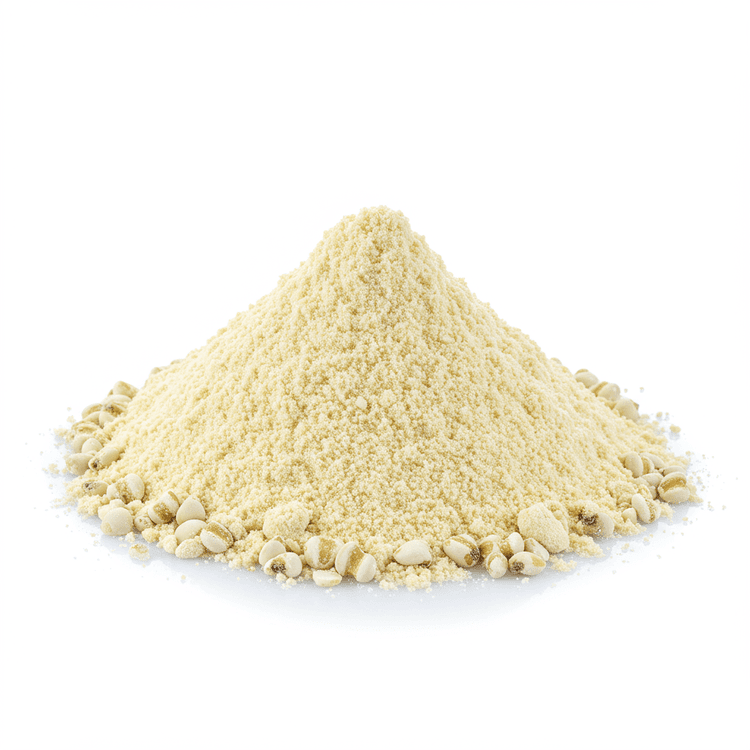
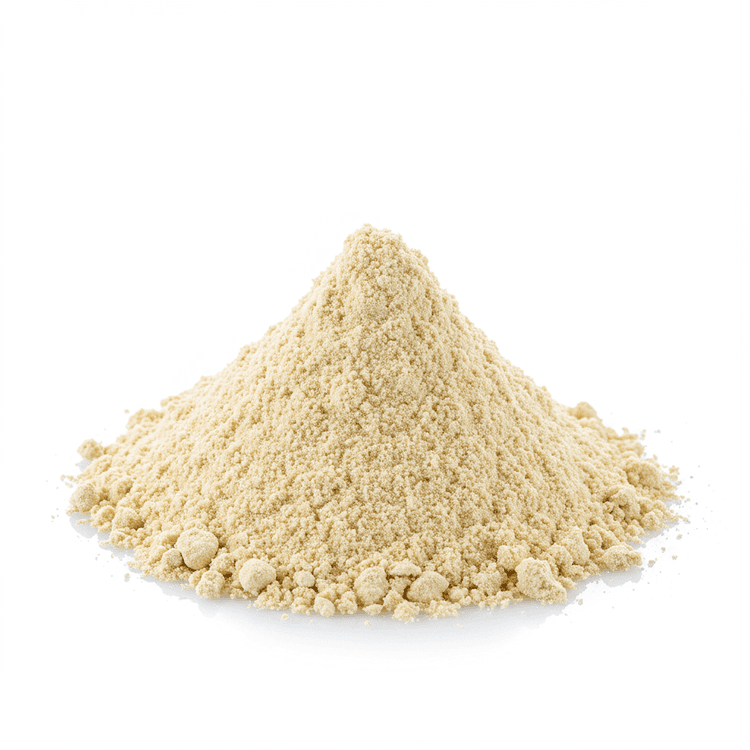
Gluten-free flours have revolutionized the culinary landscape for individuals with celiac disease, gluten sensitivity, or those simply seeking a healthier alternative to traditional wheat flour. These flours, derived from a variety of sources like rice, tapioca, almond, and coconut, open a world of possibilities for baking and cooking without the digestive discomfort often associated with gluten.
One of the primary health benefits of gluten-free flours lies in their ability to alleviate symptoms for those with gluten intolerance. Gluten, a protein found in wheat, barley, and rye, can trigger an autoimmune response in individuals with celiac disease, leading to inflammation and damage to the small intestine. By eliminating gluten from the diet, gluten-free flours contribute to improved gut health, reduced inflammation, and enhanced nutrient absorption. Beyond digestive health, many gluten-free flours boast impressive nutritional profiles. Almond flour, for instance, is rich in vitamin E, a powerful antioxidant that protects cells from damage, and magnesium, crucial for muscle function and nerve health. Coconut flour provides a good source of fiber, promoting healthy digestion and helping regulate blood sugar levels. Rice flour, particularly brown rice flour, offers manganese, essential for bone health and energy production. Tapioca flour is primarily starch but serves as a good binder in gluten-free recipes.
In the kitchen, gluten-free flours offer versatility and adaptability. They can be used to create a wide array of dishes, from delicate pastries and fluffy cakes to savory breads and crispy crusts. Almond flour lends a nutty flavor and moist texture to baked goods, making it ideal for muffins, cookies, and cakes. Coconut flour, with its high fiber content, requires more moisture but adds a subtle sweetness to recipes like pancakes, waffles, and even pizza crusts. Rice flour provides a neutral flavor and a slightly chewy texture, making it a staple in Asian cuisine for noodles, dumplings, and thickening sauces. Tapioca flour acts as a thickening agent in sauces and gravies and contributes to a light, airy texture in baked goods. Popular dishes crafted with gluten-free flours include gluten-free pizza with a cauliflower or almond flour crust, almond flour pancakes, coconut flour muffins, rice flour noodles, and various gluten-free breads and cakes. The trick is often to combine several gluten-free flours to mimic the protein structure gluten provides.
Including gluten-free flours in a balanced diet can be particularly beneficial for promoting overall wellness, even for those without gluten sensitivities. By diversifying your flour choices, you can increase your intake of essential vitamins, minerals, and antioxidants. These flours often provide a lower glycemic index compared to refined wheat flour, which helps in maintaining stable blood sugar levels. For individuals managing diabetes or seeking weight management, incorporating gluten-free flours into their diet can be a helpful strategy. Furthermore, the varied nutritional profiles of these flours contribute to a more well-rounded dietary intake, supporting optimal health and vitality. Choosing gluten-free flour is about so much more than dietary restriction; it's about discovering new flavors, textures, and nutritional advantages in the kitchen. With a little experimentation and the right recipes, you can easily integrate gluten-free flours into your cooking and baking routine and reap the rewards of a healthier, more diverse diet. These flours can also be used in thickening sauces and soups, or even as breading for fried dishes. With a wide variety of options, gluten-free flour can be incorporated into almost any style of cooking. || Gluten-Free Flour are an essential part of a healthy diet, providing a wide range of nutrients and health benefits. Explore our collection of gluten-free flour ingredients.

Your recipes can talk now 👀
Save recipes from anywhere, and get answers, swaps, and help as you cook.


Get cooking with the Chefadora App.
Available now for early access users.


Marnirni-apinthi Building, Lot Fourteen,
North Terrace, Adelaide, South Australia, 5000
Australia
