Dried spices are more than just flavor enhancers; they are concentrated powerhouses of health benefits packed into tiny, shelf-stable packages. From the fiery warmth of chili powder to the earthy fragrance of cumin, dried spices offer a spectrum of tastes and therapeutic properties that have been valued for centuries. Understanding their nutritional value and culinary versatility can transform your approach to cooking and contribute significantly to overall wellness.
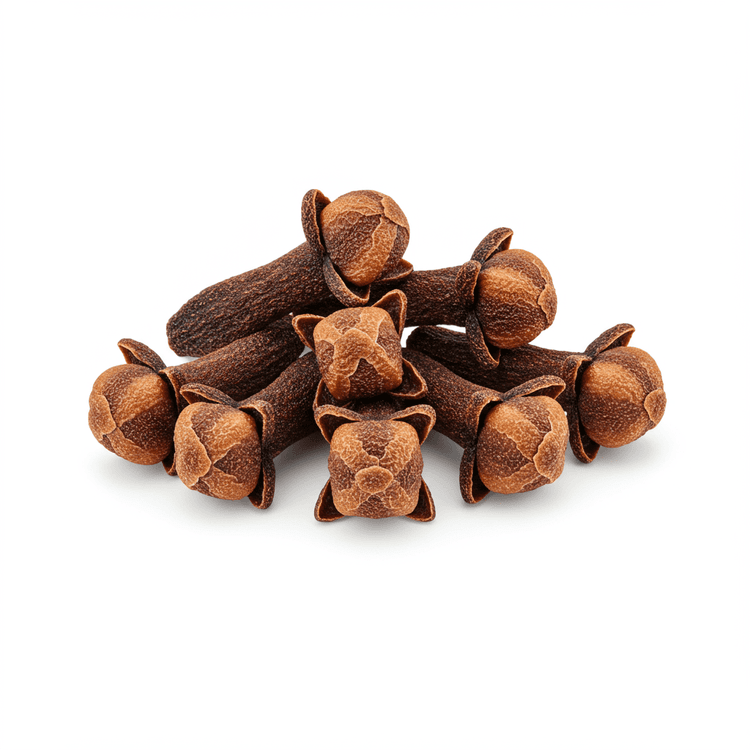
At the heart of dried spices' health benefits lies their impressive antioxidant content. Spices like turmeric, cinnamon, and cloves are exceptionally rich in polyphenols, which are potent antioxidants that help protect cells from damage caused by free radicals. This protective effect can contribute to reducing the risk of chronic diseases like heart disease, cancer, and Alzheimer's disease. Furthermore, many spices possess anti-inflammatory properties. Turmeric, in particular, owes its vibrant color and potent anti-inflammatory effects to curcumin, a compound studied extensively for its ability to alleviate pain and reduce inflammation throughout the body. Ginger, another popular spice, contains gingerol, which also exhibits similar anti-inflammatory benefits.
Beyond antioxidants and anti-inflammatory compounds, dried spices can also contribute to vitamin and mineral intake. While the amounts per serving might be small, consistent use in cooking can add up. For instance, paprika is a source of vitamin A, vital for vision and immune function, while coriander seeds offer a modest amount of iron, essential for carrying oxygen in the blood. Some spices, like cinnamon, have also been shown to help regulate blood sugar levels, making them a valuable addition to the diets of individuals managing diabetes or pre-diabetes.
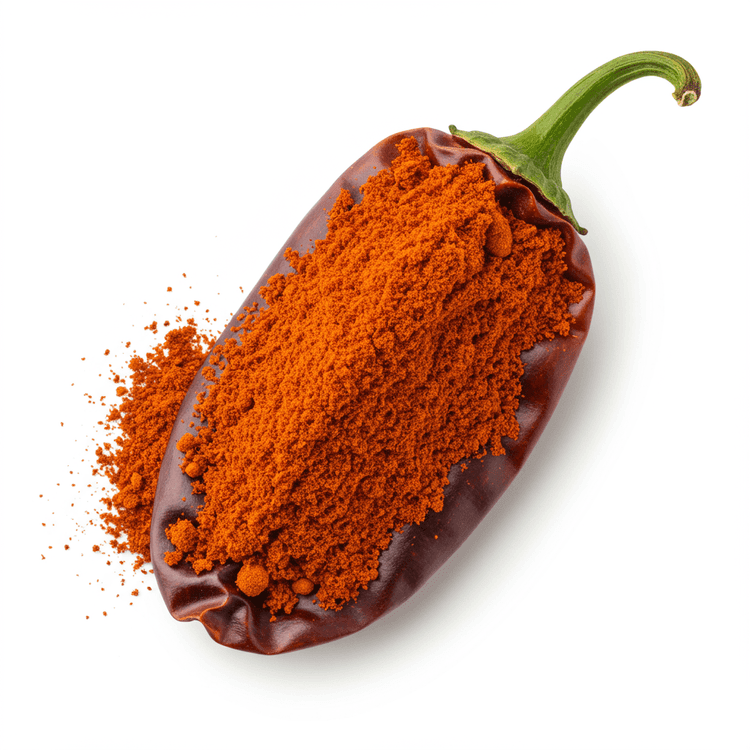
Culinary applications of dried spices are vast and varied. They form the backbone of numerous cuisines worldwide. In Indian cuisine, a blend of spices like garam masala is indispensable for creating rich and flavorful curries. In Mexican cuisine, chili powder, cumin, and oregano bring depth and warmth to tacos, enchiladas, and chili. Mediterranean cuisine relies heavily on herbs and spices like oregano, basil, and rosemary to season grilled meats, vegetables, and pasta dishes. Even simple dishes can be elevated with the addition of a pinch of the right spice. A dash of cinnamon in oatmeal or a sprinkle of paprika on roasted vegetables can transform a basic meal into a flavorful and exciting experience.
The versatility of dried spices extends beyond specific cuisines. They can be used in countless ways: to marinate meats, season soups and stews, add warmth to baked goods, or even infuse flavor into beverages. Roasting spices lightly before grinding them can unlock their full aromatic potential, while adding them early in the cooking process allows their flavors to meld and deepen. Experimentation is key to discovering your own favorite spice combinations and culinary creations.
Incorporating dried spices into a balanced diet is a simple yet impactful way to boost flavor and improve overall health. They are calorie-free, contribute valuable antioxidants and anti-inflammatory compounds, and can enhance the palatability of healthy foods, making it easier to stick to a nutritious eating plan. By embracing the world of dried spices, you can unlock a world of culinary possibilities while simultaneously nourishing your body from the inside out. So, stock up your spice rack and start exploring the flavorful and healthful potential of these incredible ingredients. ||
Dried Spice are an essential part of a healthy diet, providing a wide range of nutrients and health benefits. Explore our collection of dried spice ingredients.