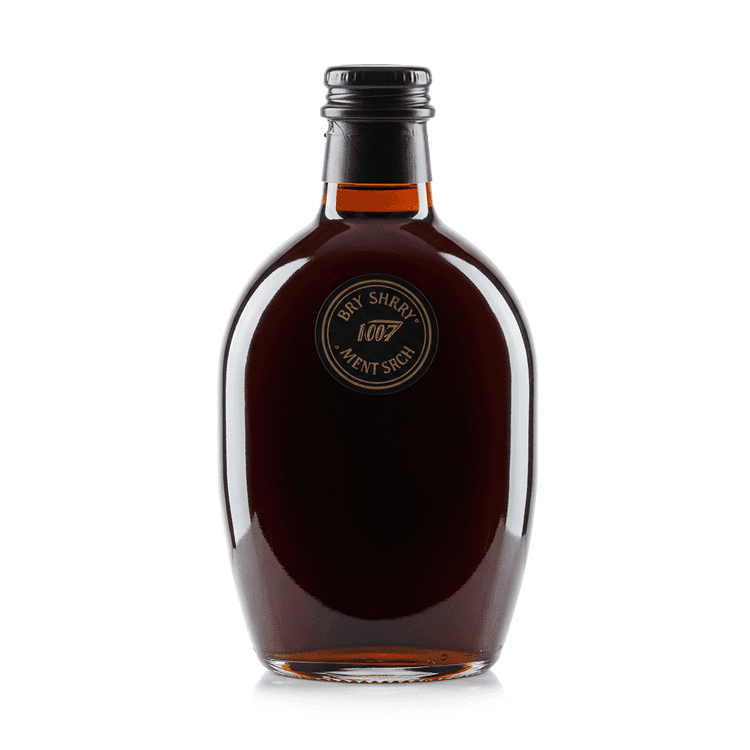
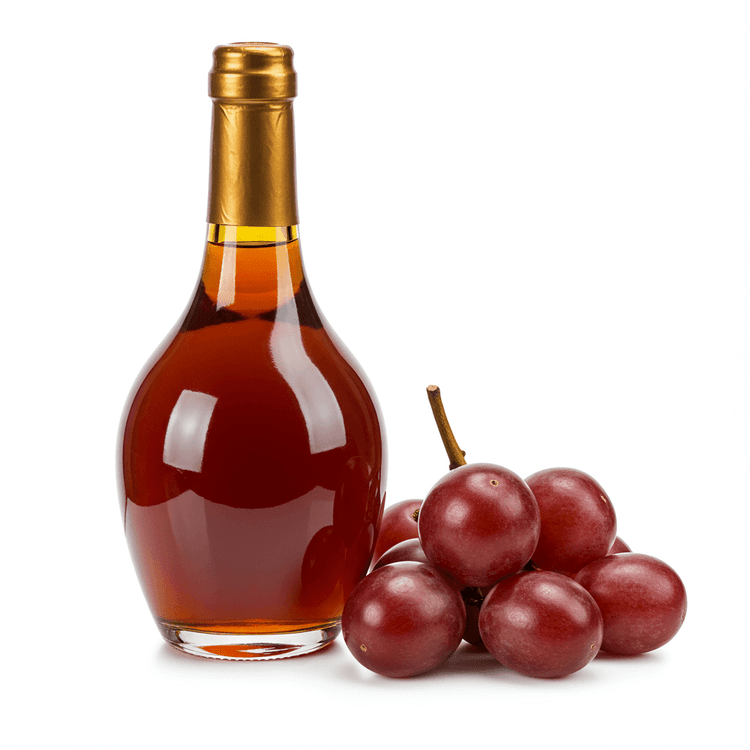
Cooking wine, often overlooked but crucial in many culinary traditions, provides more than just flavor enhancement. While not a primary source of nutrients, the careful use of cooking wine can contribute nuanced flavors and aromas that elevate dishes from simple to sublime. But what exactly are the benefits, uses, and considerations when it comes to this kitchen staple?
Beyond the taste, cooking wine plays a critical role in deglazing pans, creating flavorful sauces, and tenderizing meats. The alcohol in wine helps to dissolve flavorful bits stuck to the bottom of the pan after sautéing or searing, creating a rich foundation for sauces and gravies. This process, known as deglazing, extracts every last bit of flavor, transforming what would otherwise be discarded into a culinary treasure. Furthermore, the acidity in wine acts as a tenderizer, breaking down tough fibers in meat and making it more succulent and palatable. Marinades incorporating wine are particularly effective for tougher cuts of beef, pork, or game. Popular dishes that heavily rely on cooking wine include classic French sauces like Bordelaise and Beurre Blanc, Italian Risotto, and Coq au Vin, the iconic French chicken braised in red wine. These dishes demonstrate the transformative power of wine, adding depth, complexity, and a touch of elegance.
While it's important to remember that the alcohol content reduces significantly during cooking, any residual alcohol can still affect the flavor profile. Cooking wine is not typically consumed on its own; its purpose is strictly culinary. Choose cooking wines specifically labeled as such, as they often contain added salt to prevent misuse as a beverage. This added salt doesn't negatively impact the flavor of the dish when used in moderation.
From a purely nutritional standpoint, cooking wine offers minimal vitamins or minerals. The true value lies in its ability to enhance the flavor of healthier dishes, encouraging the consumption of nutrient-rich foods like vegetables and lean proteins. A splash of dry sherry in a vegetable soup, for instance, can elevate the taste and make it more appealing. Red wine reductions paired with grilled chicken or fish can transform a simple meal into a gourmet experience. The key is moderation and mindful usage. When used sparingly, cooking wine can be a valuable tool for creating delicious and nutritious meals that are both satisfying and beneficial for overall well-being. It helps to unlock hidden flavors and create exciting culinary experiences that contribute to a more balanced and enjoyable diet. Choosing high-quality cooking wine ensures that your dishes benefit from the best possible flavor profile, resulting in more satisfying and enjoyable mealtimes. ||
Cooking Wine are an essential part of a healthy diet, providing a wide range of nutrients and health benefits. Explore our collection of cooking wine ingredients.