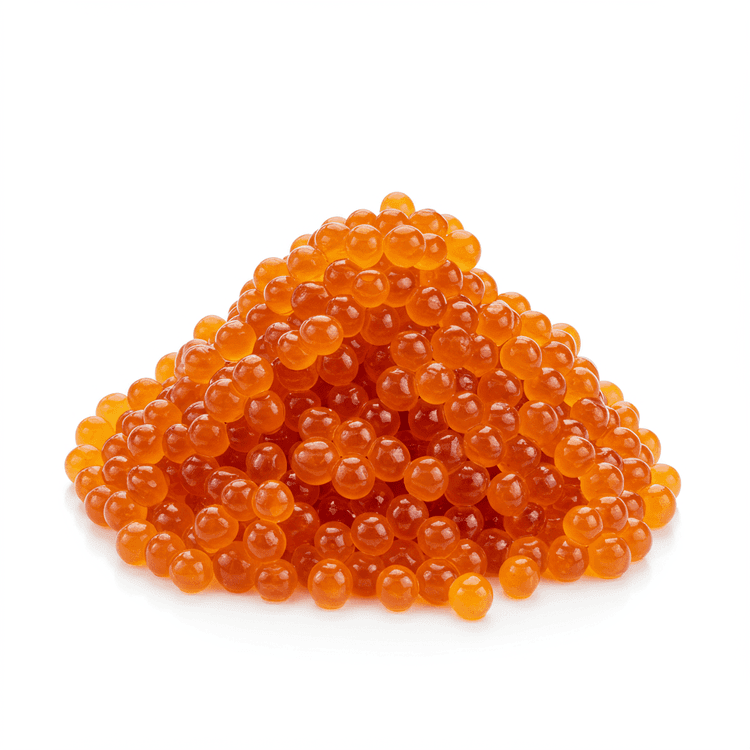
Caviar, often associated with luxury, is more than just a delicacy; it's a powerhouse of essential nutrients contributing to overall health and well-being. This prized delicacy, derived from the eggs of sturgeon fish, is packed with vitamins, minerals, and omega-3 fatty acids, making it a valuable addition to a balanced diet, albeit in moderation.
One of the most significant health benefits of caviar lies in its high concentration of omega-3 fatty acids, particularly EPA (eicosapentaenoic acid) and DHA (docosahexaenoic acid). These essential fats are crucial for brain health, supporting cognitive function, memory, and mood regulation. Omega-3s also play a vital role in cardiovascular health by reducing triglycerides, lowering blood pressure, and preventing blood clots. Furthermore, they exhibit anti-inflammatory properties, potentially alleviating symptoms of arthritis and other inflammatory conditions.
Caviar is also a notable source of vitamin B12, a nutrient essential for nerve function, DNA synthesis, and the formation of red blood cells. Vitamin B12 deficiency can lead to fatigue, weakness, and neurological problems. Additionally, caviar contains vitamin D, which is crucial for calcium absorption and bone health, as well as vitamin E, a powerful antioxidant that protects cells from damage caused by free radicals.
Beyond vitamins, caviar provides essential minerals like iron, magnesium, and selenium. Iron is vital for oxygen transport in the blood, preventing anemia. Magnesium supports muscle and nerve function, blood sugar control, and blood pressure regulation. Selenium acts as an antioxidant and plays a role in thyroid hormone metabolism.
In culinary terms, caviar is traditionally served as an appetizer or garnish. Its briny, slightly salty flavor and delicate texture make it a perfect complement to blinis, toast points, or boiled potatoes. It's often paired with crème fraîche, sour cream, or lemon wedges to enhance its flavor profile. While typically enjoyed in small quantities, caviar can also be incorporated into more elaborate dishes, such as pasta, scrambled eggs, or even sushi. Cooking with caviar is generally avoided as heat can damage its delicate flavor and texture; it is best enjoyed fresh.
The importance of caviar in a balanced diet stems from its unique nutritional profile, offering a concentrated source of omega-3 fatty acids, essential vitamins, and minerals. While it should be consumed in moderation due to its high sodium and cholesterol content, caviar can be a valuable source of nutrients that contribute to cardiovascular health, brain function, and overall well-being. Its unique nutritional advantages make it more than just a luxury item, highlighting its potential benefits for those seeking to enhance their diet with nutrient-rich foods. However, individuals with high cholesterol or sodium sensitivities should consult with a healthcare professional before incorporating caviar into their regular diet. ||
Caviar are an essential part of a healthy diet, providing a wide range of nutrients and health benefits. Explore our collection of caviar ingredients.