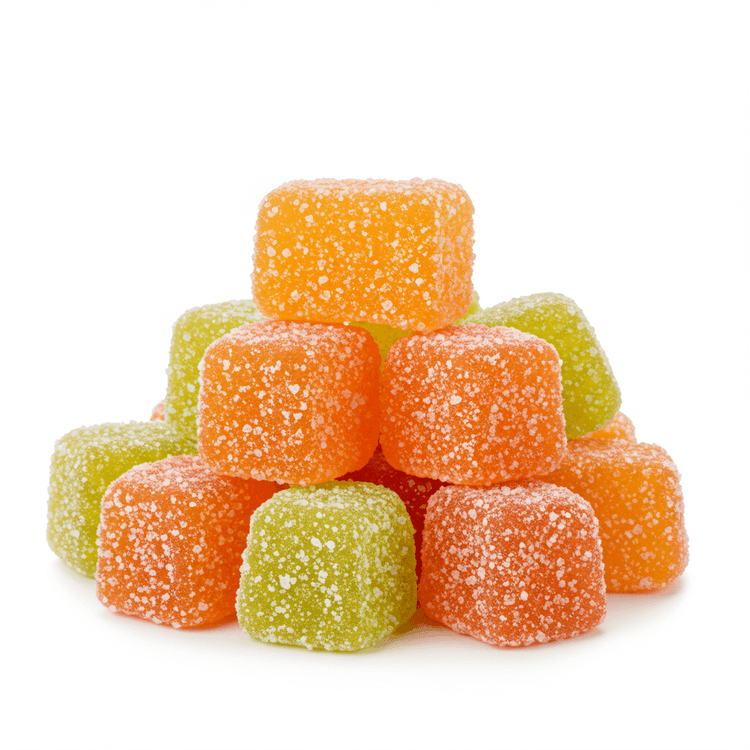
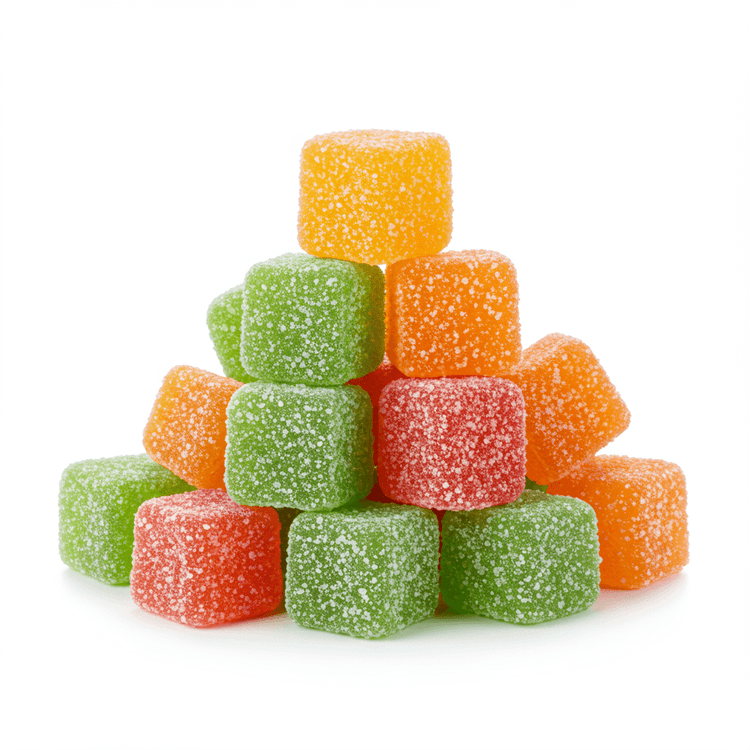
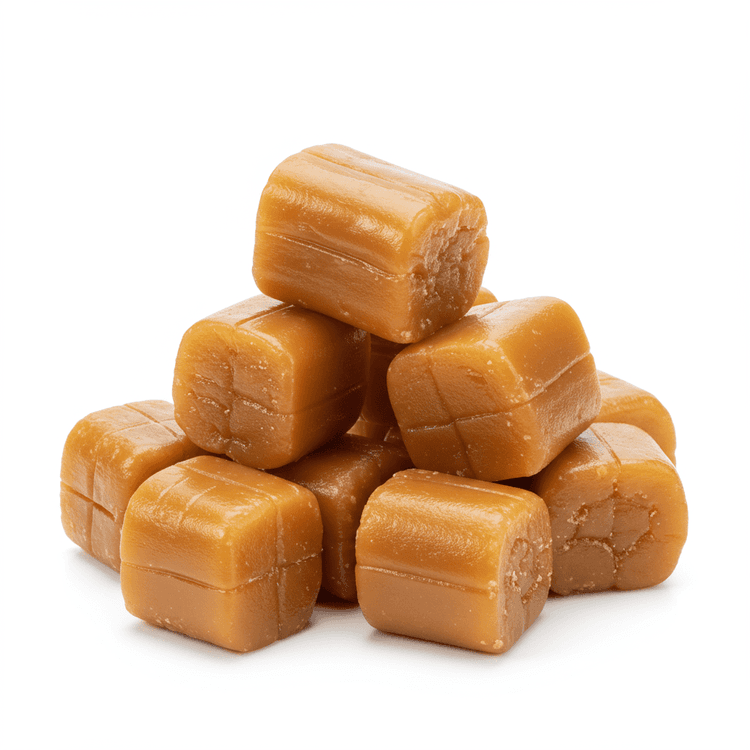
Candy, that sweet indulgence, often gets a bad rap in the world of nutrition. But before you dismiss it entirely, let's consider its role in moderation and its surprisingly complex relationship with our bodies. While candy shouldn't form the cornerstone of a healthy diet, understanding its components and mindful consumption can help you enjoy it without derailing your wellness goals.
The primary concern with most candies lies in their high sugar content. Excessive sugar intake can lead to weight gain, increased risk of type 2 diabetes, and tooth decay. However, some candies, particularly those with dark chocolate, offer unexpected benefits. Dark chocolate is rich in antioxidants, specifically flavonoids, which have been linked to improved heart health and cognitive function. These antioxidants help combat free radicals, reducing oxidative stress and inflammation in the body. Look for dark chocolate candies with a high cocoa percentage (70% or higher) to maximize these benefits.
Beyond dark chocolate, certain candies may contain other beneficial ingredients. Some hard candies might be fortified with vitamin C, offering a small immune boost. Chewy candies, depending on their ingredients, could provide trace minerals like potassium or iron, although the quantities are usually minimal. It's crucial to remember that these are supplementary benefits and should not replace a balanced diet rich in fruits, vegetables, and whole grains.
Culinary uses of candy extend far beyond simply eating it straight from the bag. Candy can add a playful and decorative element to desserts. Crushed peppermints sprinkled on ice cream, chopped chocolate bars folded into brownies, or gummy candies adorning birthday cakes are all classic examples. Hard candies can be dissolved and used to create flavorful glazes for meats or vegetables, adding a touch of sweetness and complexity to savory dishes. Lollipops can even be incorporated into cocktails for a unique and colorful presentation.
In the grand scheme of a balanced diet, candy's role is primarily that of a treat. It satisfies cravings and provides a momentary indulgence, which can be psychologically beneficial. Restricting yourself entirely from all sweets can sometimes lead to intense cravings and overeating. Allowing yourself small portions of your favorite candy, mindfully and occasionally, can help you maintain a sustainable and enjoyable eating pattern. Opt for smaller portion sizes, choose candies with higher quality ingredients (like dark chocolate or fruit-based options), and be mindful of your overall sugar intake throughout the day. Remember, moderation is key. Candy should be a small part of a larger picture that prioritizes whole, unprocessed foods and regular physical activity.
Think of candy as an accent, not the main course. It's a small pleasure that can be enjoyed responsibly as part of a healthy and fulfilling lifestyle. By understanding the nutritional nuances and practicing mindful consumption, you can navigate the world of candy without sacrificing your well-being. ||
Candy are an essential part of a healthy diet, providing a wide range of nutrients and health benefits. Explore our collection of candy ingredients.