Cakes, those delightful confections, often get a bad rap in the nutrition world, but they can surprisingly play a role, albeit a small and strategic one, in a balanced diet and promoting overall well-being when approached with awareness and moderation. While not a primary source of essential vitamins or minerals, cakes can be vehicles for delivering certain beneficial ingredients and fostering mindful indulgence. Understanding the composition of cakes and their place in a healthy eating pattern is key.
The nutritional profile of cakes varies drastically depending on the ingredients used. Cakes made with whole wheat flour offer a source of fiber, promoting digestive health and contributing to feelings of fullness. Adding fruits like berries, bananas, or apples introduces vitamins, antioxidants, and additional fiber. Nuts, like walnuts or almonds, contribute healthy fats and protein. Even spices, such as cinnamon or nutmeg, offer antioxidant properties. When considering cake, it's important to be mindful of ingredients like refined sugars, saturated fats, and processed flours, as these can negatively impact health when consumed in excess.
Culinary uses for cakes are vast and varied, spanning from simple coffee cakes enjoyed for breakfast to elaborate celebratory desserts. Different cultures boast unique cake traditions, each showcasing diverse flavors and textures. Common cooking methods include baking, steaming, and even frying, depending on the type of cake. Popular dishes range from classic vanilla cakes and chocolate cakes to more adventurous creations like carrot cake, red velvet cake, and fruitcake. Understanding the caloric density of cakes and practicing portion control is crucial for incorporating them into a balanced diet without compromising overall health goals.
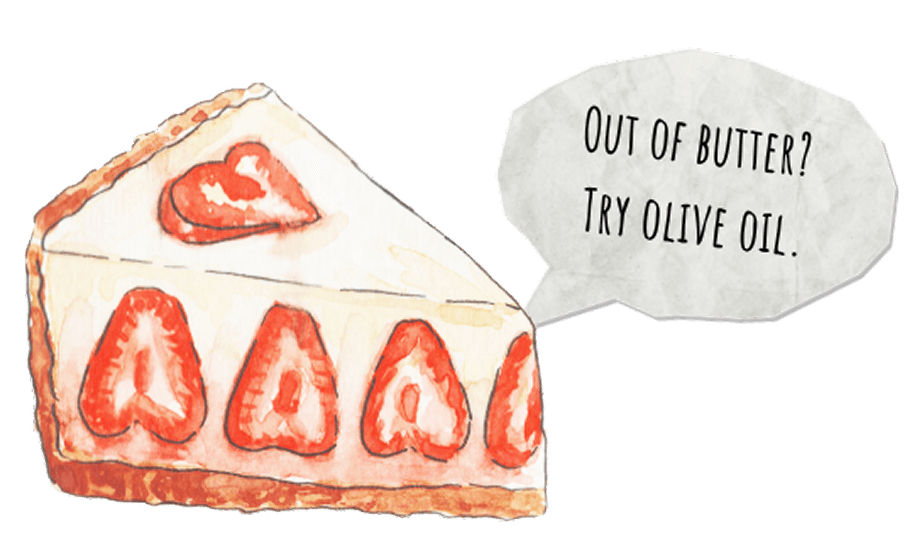
Cakes are traditionally served during special occasions, reinforcing social bonds and creating positive emotional experiences. The act of baking and sharing cake can promote feelings of connection and happiness. While cakes should not be considered a staple food, they can offer a small source of energy and provide a satisfying treat when consumed in moderation as part of a balanced diet. Focusing on homemade versions that allow control over ingredients, such as substituting refined sugars with natural sweeteners like honey or maple syrup, or using healthier fats like olive oil, can enhance the nutritional value of cakes. Ultimately, the key to enjoying cake while maintaining a healthy lifestyle lies in mindful consumption, balanced portions, and an awareness of its nutritional composition. Choosing cakes enriched with nutritious ingredients, such as whole grains, fruits, and nuts, makes cake a little bit healthier.
In moderation, even a small slice of cake can satisfy cravings without derailing your healthy eating habits. Focus on quality over quantity, choosing cakes made with wholesome ingredients and savoring each bite. By incorporating mindful eating practices and making informed choices, you can enjoy the occasional indulgence of cake as part of a balanced and fulfilling life. ||
Cake are an essential part of a healthy diet, providing a wide range of nutrients and health benefits. Explore our collection of cake ingredients.