Caffeine sources encompass a diverse range of beverages and foods, primarily chosen for their stimulating effects and characteristic flavors. From the energizing jolt of coffee and tea to the subtle boost in chocolate and some processed foods, caffeine plays a significant role in daily routines worldwide. Understanding caffeine's nutritional profile and its impact on health is crucial for making informed dietary choices.
Caffeine, a naturally occurring stimulant, primarily affects the central nervous system. While it doesn't directly provide vitamins or minerals, its influence on alertness and cognitive function is well-documented. It works by blocking adenosine, a neurotransmitter that promotes relaxation and sleepiness, leading to increased wakefulness and focus. Moderate caffeine consumption is often associated with enhanced mental performance, improved mood, and even temporary relief from headaches. Some studies suggest potential links between caffeine intake and a reduced risk of neurodegenerative diseases like Parkinson's and Alzheimer's, although further research is needed.
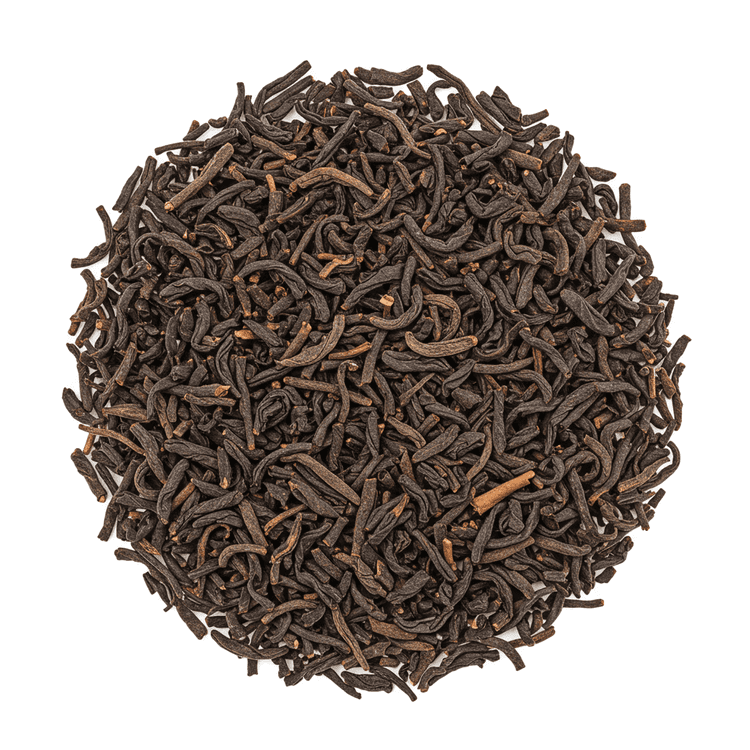
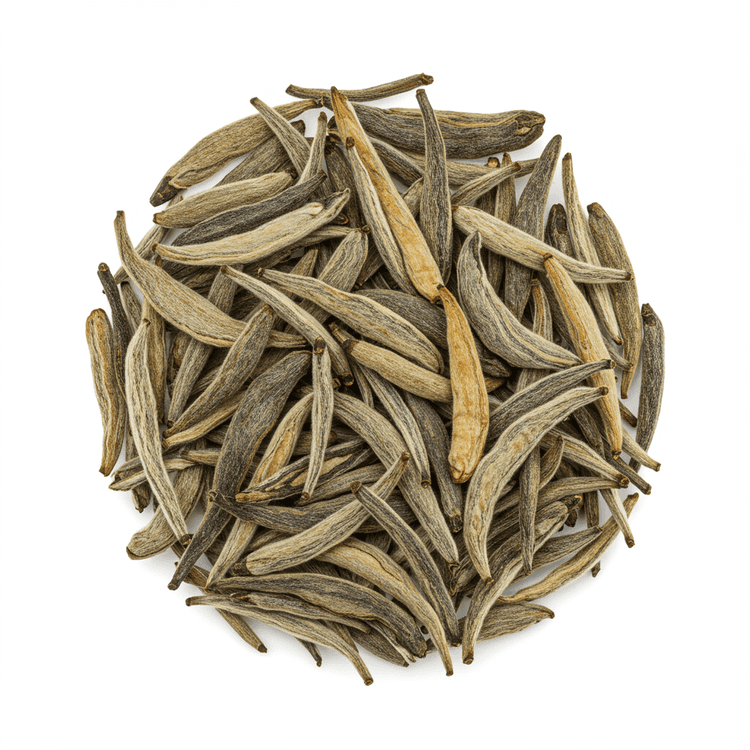
In culinary applications, caffeine-rich ingredients are incredibly versatile. Coffee beans are ground and brewed to create a plethora of beverages, from espresso and Americano to lattes and cappuccinos. Tea leaves, whether black, green, white, or oolong, are steeped in hot water to produce aromatic and flavorful infusions. Chocolate, derived from cacao beans, contains caffeine (albeit in smaller amounts than coffee) and is a key ingredient in countless desserts, candies, and beverages. Energy drinks often incorporate caffeine along with other stimulants and vitamins. Popular dishes utilizing caffeine sources include coffee-rubbed steaks, chocolate lava cakes, matcha lattes, and even tea-smoked duck.
Including caffeine sources responsibly in a balanced diet can offer several advantages. The stimulating effects can enhance productivity and cognitive function, especially for individuals needing a mental boost. The antioxidants present in coffee, tea, and cacao may contribute to overall health by combating oxidative stress and inflammation. However, moderation is key. Excessive caffeine consumption can lead to anxiety, insomnia, digestive issues, and dependency. Individuals with certain health conditions, such as heart problems or anxiety disorders, should consult with a healthcare professional before incorporating significant amounts of caffeine into their diet. By understanding the nuances of caffeine and its effects, you can strategically incorporate it into your routine to enjoy its benefits while minimizing potential drawbacks. Focusing on natural sources like coffee and tea, rather than heavily processed energy drinks, can further promote a healthier approach to caffeine consumption. The overall importance of balancing your caffeine intake with proper hydration, sleep, and a nutritious diet is the key to a healthy and productive life. ||
Caffeine Source are an essential part of a healthy diet, providing a wide range of nutrients and health benefits. Explore our collection of caffeine source ingredients.