Batter, the unsung hero of countless culinary creations, is much more than just a simple mix of flour and liquid. It's the transformative medium that turns ordinary ingredients into delectable delights. While often associated with indulgent treats, batter can be surprisingly versatile and contribute to a balanced diet when prepared thoughtfully.
At its core, batter provides essential carbohydrates from flour, which serve as the body's primary energy source. Depending on the type of flour used – wheat, rice, almond, or even oat – the nutritional profile shifts. Whole wheat flour, for example, offers a boost of fiber, crucial for digestive health and maintaining stable blood sugar levels. Almond flour brings healthy fats and protein to the table, while oat flour delivers soluble fiber known to lower cholesterol.
The addition of eggs, milk (or plant-based alternatives), and leavening agents like baking powder or yeast further enhances batter's nutritional value. Eggs are a complete protein source, packed with essential amino acids vital for muscle building and repair. Milk provides calcium, essential for bone health, and vitamin D, which aids in calcium absorption. Even small additions like spices – cinnamon, nutmeg, or vanilla – contribute antioxidants that protect against cell damage.
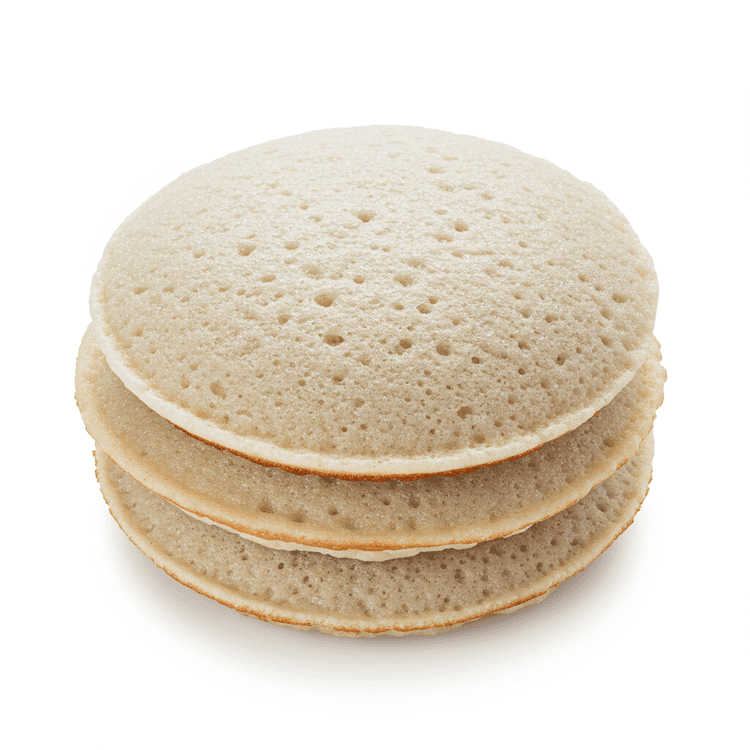
Batter finds its way into a vast array of dishes, from light and airy pancakes and waffles perfect for a weekend brunch to crispy fried chicken and golden-brown onion rings. It's the foundation for fluffy cakes, tender muffins, and delicate crepes. Beyond sweet treats, batter serves as a coating for vegetables like zucchini or eggplant, creating a delightful textural contrast when fried or baked. Popular dishes showcasing batter's versatility include: Classic pancakes and waffles, Southern-style fried chicken, Tempura vegetables, Yorkshire pudding, crepes, and cakes.
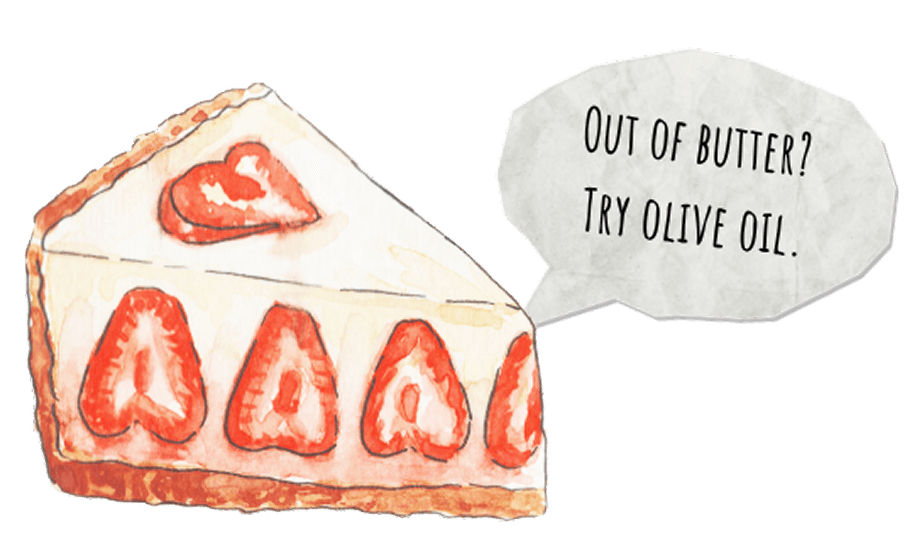
The key to incorporating batter into a balanced diet lies in mindful ingredient selection and preparation methods. Opting for whole grains over refined flours, using healthy fats like olive oil or avocado oil instead of butter, and incorporating fruits and vegetables into the batter itself can significantly boost its nutritional content. Baking instead of frying also reduces unhealthy fat intake.
While traditionally considered a vehicle for less healthy foods, batter can be a foundation for nutrient-rich meals. Think whole-wheat pancakes topped with berries and yogurt, or lightly battered and baked fish served with steamed vegetables. By understanding the nutritional components of batter and making conscious choices, you can enjoy its culinary versatility while maintaining a healthy and balanced lifestyle. It's not just about what you make with batter, but how you make it, that makes all the difference. So, embrace the art of batter-making and transform simple ingredients into wholesome and delicious meals. ||
Batter are an essential part of a healthy diet, providing a wide range of nutrients and health benefits. Explore our collection of batter ingredients.