We use cookies on this website to ensure its proper functioning and to improve the quality of our services. Cookie Policy
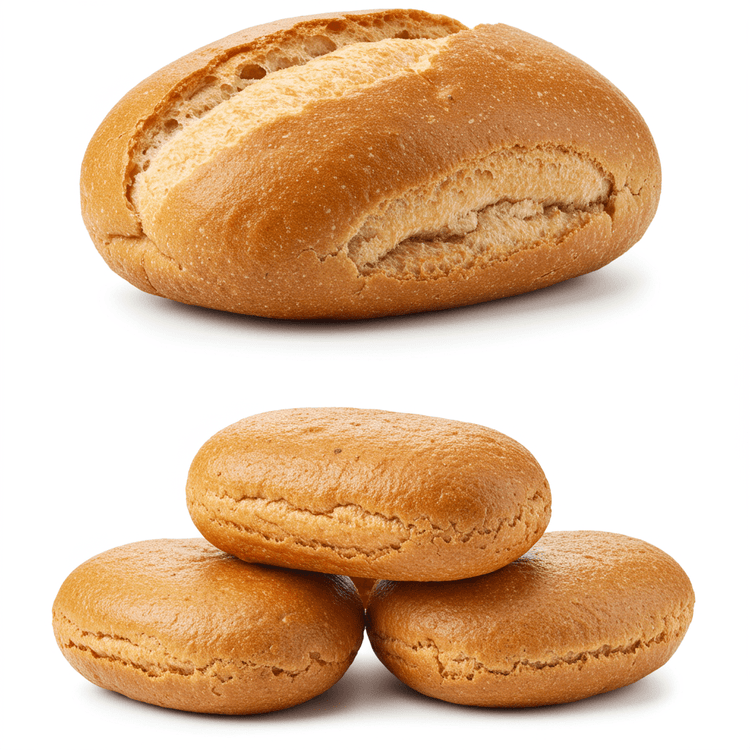
Bread improver is a blend of ingredients designed to enhance the texture, volume, and shelf life of baked goods, particularly bread. It typically contains dough conditioners like ascorbic acid (vitamin C), enzymes (amylases, proteases), emulsifiers (DATEM, lecithin), and sometimes gluten. The purpose of bread improver is to create a lighter, airier crumb structure, improve dough handling, increase loaf volume, and extend the freshness of the finished product. Using a good bread improver can lead to noticeably softer and more appealing bread with a more consistent rise.
Think of it as a little insurance policy for your dough. On its own, bread improver doesn't have a flavor you'd notice in the finished loaf — it's a fine powder that works quietly in the background, helping the yeast and gluten do their jobs more efficiently. The enzymes break down starches into sugars the yeast can feed on, the ascorbic acid strengthens the gluten network so the dough traps gas better, and the emulsifiers keep the crumb tender for longer. The result is bread that rises higher, slices cleaner, and stays soft an extra day or two.
You'll find it sold as a plain white or off-white powder, sometimes labeled "dough conditioner" or "bread enhancer." A little goes a long way — most recipes call for only a teaspoon or two per loaf. It's especially handy when you're working with heavier flours or a stubborn dough that just won't lift the way you want. If you're curious about the individual components, many bakers keep ascorbic acid on hand separately for the same purpose.
Save recipes from anywhere, and get answers, swaps, and help as you cook.


Available now for early access users.