We use cookies on this website to ensure its proper functioning and to improve the quality of our services. Cookie Policy
With this guide, we help you notice what might be holding you back and how to navigate through them. Think of this as a supportive resource you can return to whenever food creation starts feeling heavy.
If you create food content, chances are you have felt this at some point. You may wonder why my food content is not growing, and you are not alone.
The answer is not that your food is not good enough. You are posting regularly. People like your food. The effort is real. Yet growth feels slow.
Most of the time, it's just small food creator mistakes that slow growth as a food blogger. Not big failures. Just tiny gaps that add up.
Food creation should feel creative, and enjoyable. Content should come from a place of passion, and not a push. If you are feeling creatively tired, you might enjoy reading Burnout as a Creator: Should You Push Through or Take a Break? alongside this guide.
Most times, it is just a few small habits that need a little adjustment.
Whether you create on Chefadora.com, or are still figuring out your systems, this blog is here to help you grow without turning food creation into a task.
Most food creator growth mistakes do not feel like mistakes at all. They often come from rushing, multitasking, or simply not knowing what your audience needs yet.
The good news is that every single one of these can be improved without adding pressure.
Many food creators assume a recipe will work because it makes sense in their head. That is completely natural, especially once you are comfortable cooking.
But what feels obvious to you may not be obvious to someone else. A small timing difference, a different pan, or another brand of ingredient can change results for your audience.
This is one of the most common food blogger mistakes and one of the biggest reasons food creators struggle to grow despite consistent posting.
When a recipe does not turn out as expected, people quietly lose confidence. When people trust that your recipes work, they save them, share them, and come back.
Creators who enjoy everyday cooking often connect this process with intentional cooking habits, similar to themes explored in Mindful Cooking: Finding Joy in Everyday Meals.
PS: Testing does not mean repeating a recipe endlessly. Even one extra effort using different cookware or ingredient brands can greatly improve recipe clarity.
This is something very common, yet is easy to miss as a creator. On the other hand, when someone is cooking it is very noticeable.
When ingredients are listed out of order, cooking feels slightly stressful. Readers have to scroll, re-read, or guess what comes next. That little extra step adds up.
Listing ingredients in the order they are used makes recipes feel smoother and more welcoming. It is one of the most simple recipe content best practices.
As content libraries grow, clear structure becomes even more important, especially for creators thinking about how to organise and share your recipes without PDFs or WhatsApp.
Instructions like cook until done or mix well feel quick to write, but they leave too much room for confusion.
For beginner cooks, vague instructions often lead to recipe fails. Over time, this will quietly affect trust and become another reason creators feel stuck and often ask why my food content is not growing.
Clear instructions do not need to be long. Mentioning texture, colour, approximate time, or visual cues helps people feel confident.
Many creators develop this skill over time. This can be learnt from food blogging resources like Six SEO Tips for Food Bloggers to Get More Traffic to Your Recipes, even if SEO is not the main focus.
Audiences cook in different kitchens, countries, and budgets. When recipes assume everyone has access to the same ingredients, the content will unintentionally feel limited.
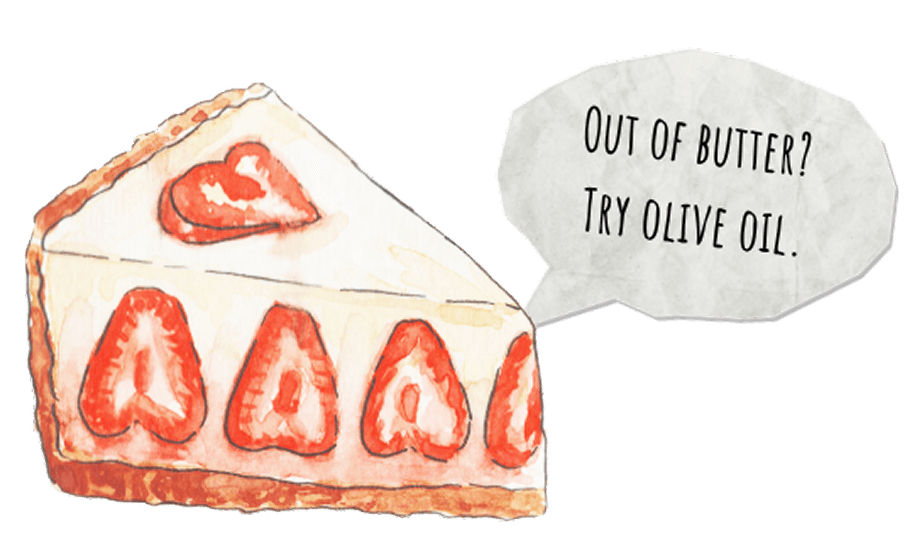
Offering substitutions is one of the simplest ways to make food content feel doable for all. It also helps reduce repeated questions in comments.
Substitutions support long term growth for food bloggers because they make recipes more adaptable, and also create a trusted audience core.
Even one simple substitution can help your food content reach people who would otherwise skip the recipe.
Life moves fast, and so do people. Many cook with a plan - meal prep, leftovers, next-day lunches, or freezer storage.
When storage or reheating tips are missing, the content can feel incomplete, even if the recipe itself is great.
Including practical guidance will help people actually use your recipes in real life. This often leads to more saves and repeat visits, which directly improves audience engagement for food creators.
Storage tips often increase saves more than visuals because they help with planning.
Food is a shared space. Recipes are inspired by cultures, families, books, and other creators.
Not crediting inspiration is a serious food creator mistake that affects credibility. On the other hand, giving credits builds trust and shows respect for the community.
Audiences appreciate honesty, and creators who practise it tend to build stronger, more loyal communities.
This is one of the areas that most food creators often ignore, and it usually happens slowly.
As recipes grow, the content is all over the place. Notes apps, messages, drives, drafts, screenshots. Over time, this creates mental clutter.
Many creators who ask why my food content is not growing are actually dealing with an organisation problem, not a creativity problem.
Lack of organisation often leads to burnout, skipped posting, and feeling overwhelmed. Creators in this phase usually start looking for clearer systems like those discussed in How to Organise and Share Your Diet Recipes Without PDFs or WhatsApp.
When ideas are easy to find, creating feels lighter. Platforms like Chefadora.com are built to handle organisation so creators can focus on food.
Avoiding food creator mistakes does not require doing more. It usually means doing a few things better.
This approach supports sustainable content creation and helps reduce food creator burnout.
When the process feels calm, your content will show that.
Use this checklist as a moment of reflection, not pressure.
Revisit this checklist once a month instead of daily. Growth should feel supportive, not stressful. So, go ahead, take a screenshot of this checklist or come back to Chefadora.com anytime you need it.
As food creators grow, managing content can often become harder than creating it.
This is where specific platforms for food creators make a difference. A good recipe organisation platform helps you store, structure, revisit, and repurpose content easily.
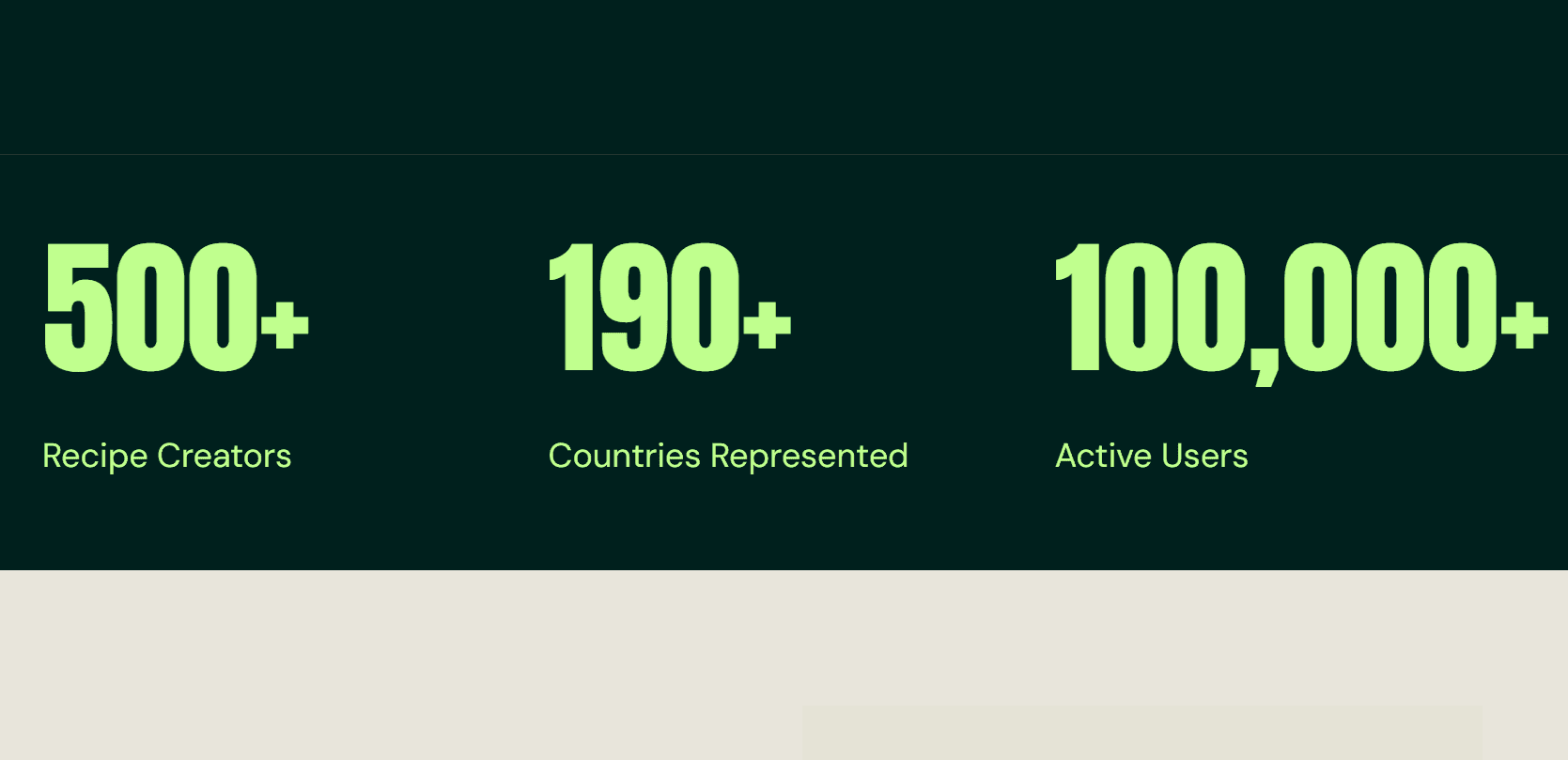
Chefadora.com is designed as a food creator resource that supports organisation, clarity, and trust, without turning creativity into work.
Creators who want to build professionally can also explore How Private Chefs Use Chefadora to Grow Their Culinary Business.
Q1. What mistakes do food creators make most often?
A1. Food creator mistakes include unclear recipes, inconsistent posting, lack of organisation, poor audience engagement for food creators, and skipping practical details like storage tips.
Q2. Why is my food content not growing?
A2. Slow growth as a food blogger is often caused by recipe clarity issues, inconsistent content strategy for food creators, food creator burnout, or lack of organisation rather than lack of talent.
Q3. How often should food creators post?
A3. Consistency matters more than frequency. Food creators grow sustainably when they post at a pace they can maintain without burnout.
Q4. Do food bloggers get paid?
A4. Yes. Food bloggers earn through ads, brand collaborations, affiliate marketing, content licensing, and platforms for food creators.
Q5. What are the most common cooking mistakes?
A5. Common food mistakes include overcooking, under seasoning, skipping prep, incorrect heat control, and rushing recipes.
Q6. How do food bloggers grow without burnout?
A6. Food bloggers grow without burnout by repurposing food content, using food creator resources, organising recipes online, and maintaining realistic content goals.
Q7. What tools help food creators grow?
A7. Tools for food bloggers include recipe organisation platforms, content planning systems, and audience engagement tools designed for food creators.
Every food creator experiences slow phases. They do not mean that you are doing something wrong. In most cases, growth slows because of repeated food creator mistakes that are easy to fix once you notice them.
By focusing on clarity, organisation, and consistency, food creators can grow without turning food creation into a task.
Food content creation is a long term journey. With the right habits and supportive tools, it can stay joyful, meaningful, and sustainable. If you are looking for a platform for food creators that helps you organise recipes, simplify your process, and focus on creativity, Chefadora.com can be a helpful place to begin.
Updated on 16 Jan 2026
Save recipes from anywhere, and get answers, swaps, and help as you cook.

