We use cookies on this website to ensure its proper functioning and to improve the quality of our services. Cookie Policy
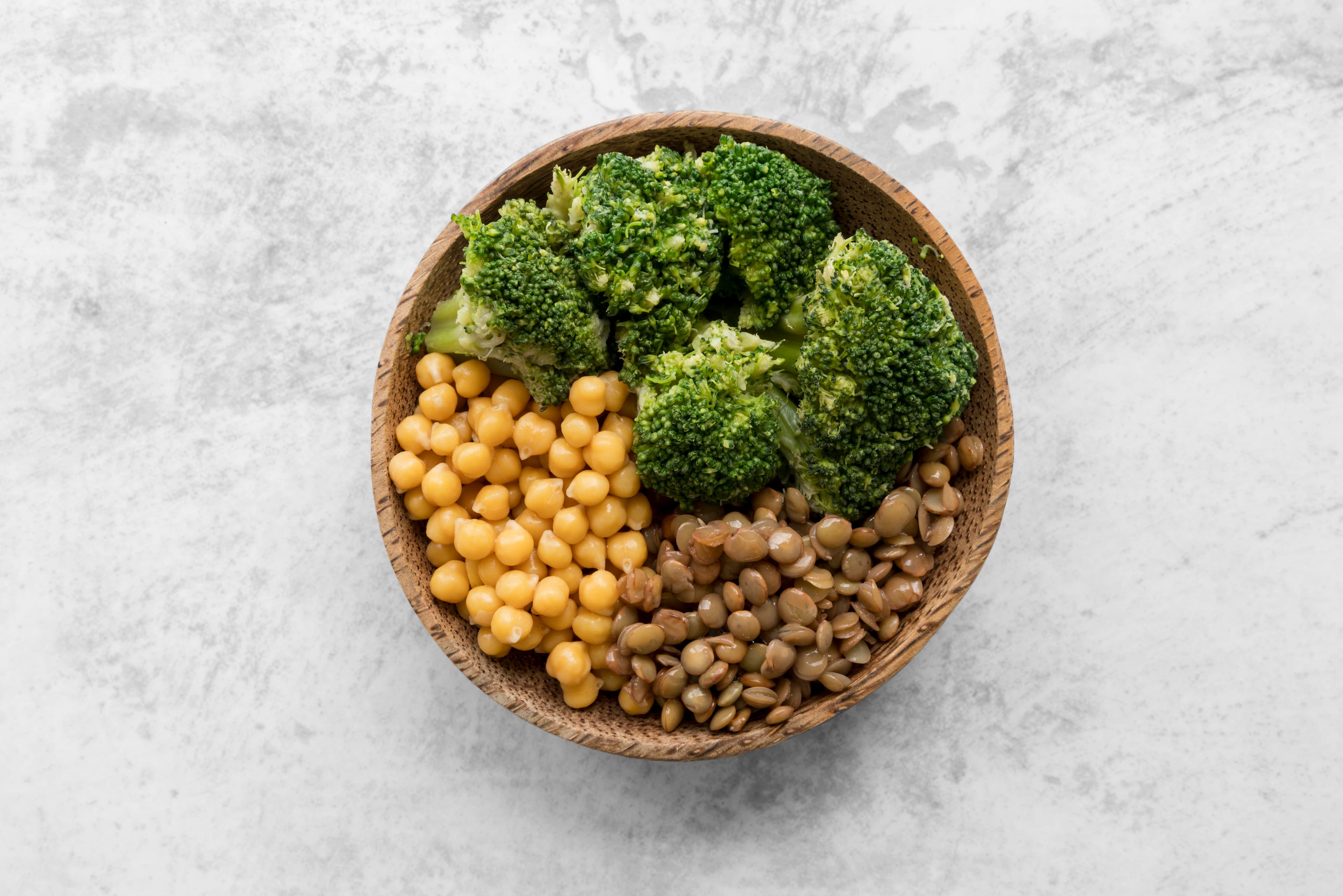
Wonder why your recipes don’t reach the audience despite being a hit among family and friends? In today's digital age, creating mouth-watering recipes is only half the battle won. Food bloggers and recipe authors must also ensure their recipes drive traffic and reach a wider audience. To achieve this feat, one must understand and master the craft of Search Engine Optimization (SEO). With the correct SEO strategies, you can ensure your recipes rank higher in the search results, attract more visitors to your recipes, and ultimately help you grow.
We had the pleasure of connecting with Krishna Dhas, an SEO specialist, who offered to compile a comprehensive guide with practical and effective SEO tips for recipe authors. This guide will help you optimize your content, images, and metadata to improve visibility and user engagement. Considering that 53% of all website traffic comes from search engines, mastering SEO is a game-changer. In this guide, you’ll learn 5 practical SEO tips that will help your food blog rank higher, grow faster, and finally reach the audience it deserves.
Your title is the clickable headline that appears in Google search results. An optimised meta title increases your CTR and improves search ranking. So, while writing your meta title, ensure it is catchy and descriptive to attract more clicks. Additionally, meta titles are a ranking factor in Google’s algorithm. So, writing a well-rounded descriptive meta title will help you rank better and get more people on your website. It also allows users to quickly understand what your recipe offers, making the viewer experience smooth and rewarding.
How to Write an Optimized Meta Title —
To optimise your meta title, keep it accurate, catchy, and descriptive, and include the main keyword naturally.
The perfect meta title is under 60 characters as it avoids being cut short in the Google search result display.
If you can highlight your recipe's unique selling point, or USP, in these 60 characters, then it can do wonders for reach and engagement. So, including words such as "30-Minute Dinner" or "Gluten-Free" can easily set your recipe apart and help the engine offer it to the person who would specifically look for these factors.
The first thing that a search engine detects in a recipe is the description that you have written. Your meta title and description are also the first things that your readers see. This makes it crucial that the description is compelling, SEO-optimised, and accurate to your content. An engaging and SEO-optimized recipe description is essential for search engines and readers. It helps Google understand the content better and compels the users to click through by highlighting what makes your recipe unique. Additionally, a detailed description that appeals to the senses by being rich keeps the readers on your page longer, which can improve your search rankings. Including relevant keywords naturally helps search engines understand your content.
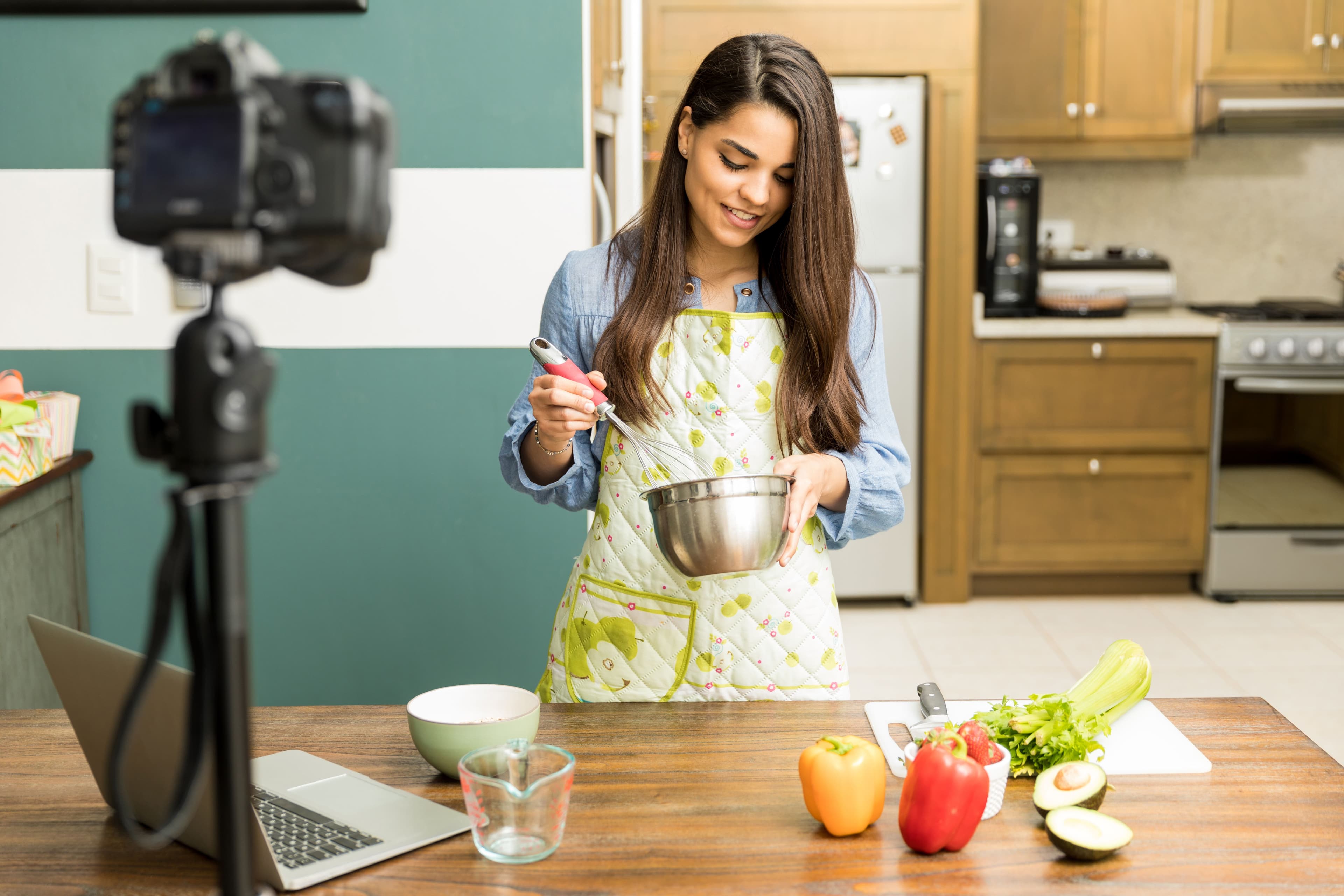
Being a food blogger today is more than just recipes—it’s about storytelling.
How to Optimize Recipe Descriptions—
To optimise your meta descriptions, make sure to include the main keyword and the secondary keyword.
To write a good description, you will have to write a good description! You will need to describe your recipe in the most accurate way possible. Use descriptive and emotional words, for example, "fluffy pancakes" and “spicy tangy sauce". The better you describe your recipe, the better its effect on the reader.
End your meta description on an actionable note, for example: ‘read now’ or ‘check it out now’.
To give you an example of what a bad and a good description looks like, here is a comparison between two examples:
"This is my best pasta recipe. It's tasty and easy to make." You might have guessed it by now: this is a classic example of a bad recipe description, as it does not describe the recipe at all.
"This creamy garlic butter pasta is ready in just 15 minutes using simple pantry ingredients. Perfect for a quick, restaurant-style dinner!"
This description, on the other hand, is quite an amazing example, as within the first five seconds, it conveys a sensory quality of the pasta. It's not dry or soupy pasta; it's creamy pasta. It further reveals that it has butter in it and also gives you a rough time bracket. This small addition helps you decide whether you want to cook this dish.
Many recipe authors make the mistake of targeting overly broad keywords like "chocolate cake" or "chicken curry." However, competition for these terms is fierce because they are too broad. Instead, focus on long-tail keywords—specific, descriptive phrases that better match what users are searching for.
For example, if I were to make a cake today, I would not just search for “cake recipes”; instead, I’d include a few extra details to get the recipe I want. So, let's say I’m a vegetarian, and my favourite flavour is chocolate. Then, instead of simply writing “cake recipes” and getting a million suggestions with egg as an ingredient and anything but chocolate as a flavour, I would write "Eggless Chocolate Cake Recipe". Those two extra specific, descriptive words will help the author and the reader help each other quickly. . These keywords rank easier, given their limited competition. They also get you to your target audience quicker. People searching for specific recipes are more likely to click and follow through. These niche phrases have less competition and bring in more qualified readers, people who are more likely to try your recipe. If you are struggling with finding the right keywords for your recipe, platforms like Chefadora can help identify trending long-tail keywords among food blogs and can offer suggestions based on seasonal interest and search patterns.
How to Find Long-Tail Keywords—
To improve your recipes, use tools like Google Autocomplete, Google Keyword Planner, AnswerThePublic, and Google Trends. A basic guide for these platforms is easily found on YouTube.
Krishna revealed that using structured data markup is one of the most effective ways to make your recipes stand out in search results. We asked him to elaborate, and he explained,
“Structured Data Markup is a code that helps the Google search engine better understand what the website’s content is about.”
Structured data helps search engines better understand your content, allowing Google to display rich snippets with images, cooking times, ratings, and calories directly in the search results. This enhances the visibility of your content, helps catch readers’ attention, and increases your click-through rate (CTR). Recipes with rich snippets often rank higher in Google search results as well.
How to Add Structured Data—
Ensure your recipe posts include the following details:
Title: Use a clear, descriptive title with your primary keyword (e.g., "Easy Chicken Biryani Recipe").
Ingredients List: Properly formatted ingredient sections make your recipe easy to follow and index.
Cooking Time: Include both preparation and cooking times.
Step-by-Step Instructions: Clear, concise directions improve the user experience.
Calories and Nutrition Info: Adding nutritional details makes your recipe more appealing to health-conscious readers.
If you publish your recipe blogs with WordPress, then you’ll need to add these in manually. Chefadora does it for you with the help of Recipe Genie.
Compress the file size for the website to not be slow try Webp format is great to reduce file size without breaking quality file size is important shouldn't be too big
Slow websites lose visitors, and Google notices this. Optimizing your images is a simple but powerful way to speed up your food blog and improve SEO. Google ranks images, which can drive traffic to your website, given that they are accurate and high-quality yet have a short load time. Uploading a high-quality yet low-space-taking image is important as it can help shorten the load time. Compressed images reduce loading times, improve page speed, and assist viewers in staying on the page.
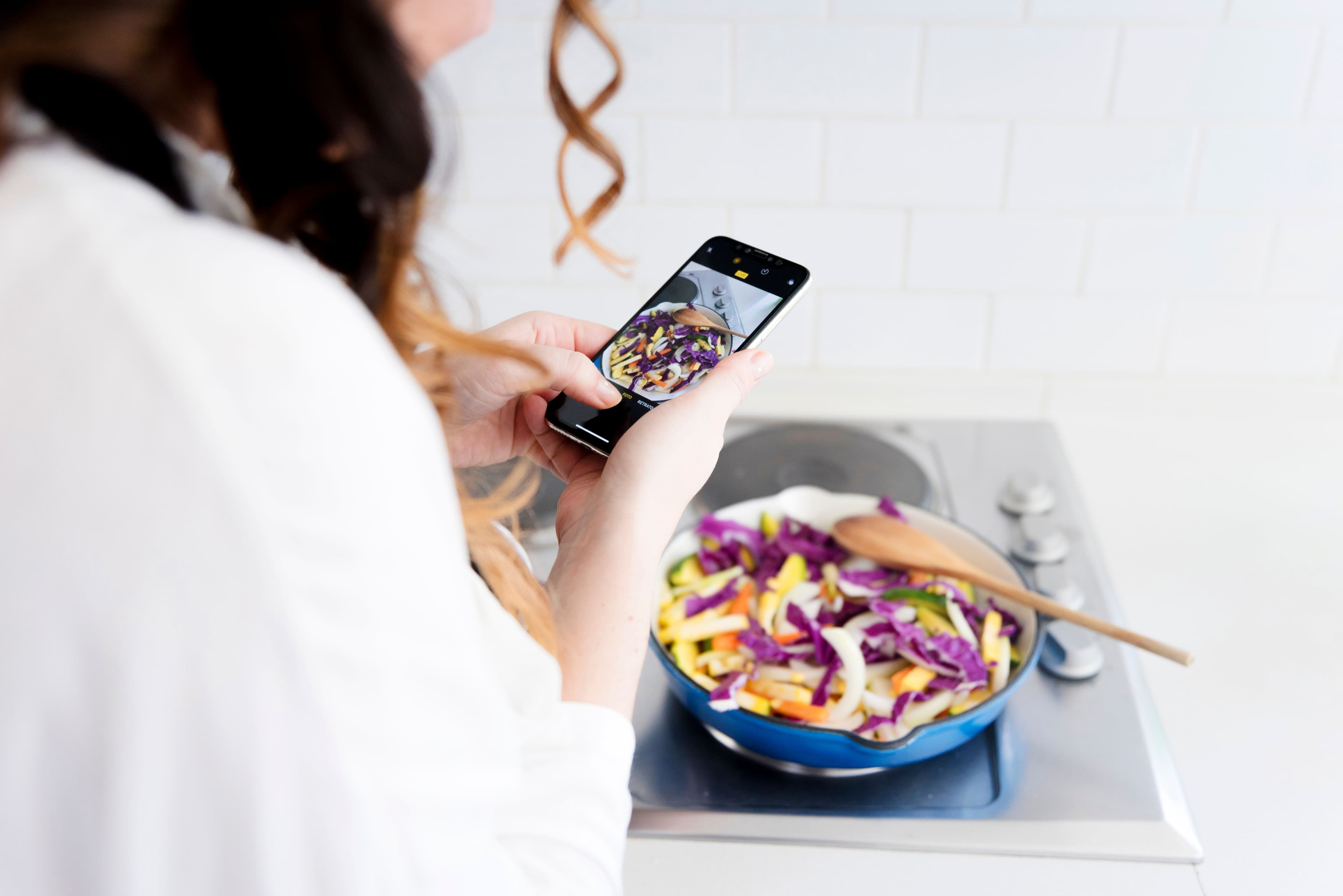
Mastering food photography is one of the quickest ways to boost engagement on your recipes!
While picking high-quality, low-space-occupying, relevant images is crucial, it is also important that the image description and alt text attached to the picture are accurate, clear, and engaging. Alt-text helps visually impaired users and provides a chance to include your keywords as well.
Another important thing to remember when uploading pictures in your recipes is that you should always name your images descriptively before uploading. This means instead of saving your images as “IMG12345.jpg,” use this instead: “ easy-veg-biryani-recipe.jpg.” This helps Google identify your image as relevant content when someone searches with the keyword “biryani recipe” or “veg biryani.”
Backlinks simply mean adding your links to various other websites to help point to your blog or recipe. This helps the search engine recognize your content as authentic and authoritative. By strategically sharing your content on social media, you can encourage others to follow the link back to your website, increasing its visibility and authority. Not only the backlinks help generate traffic but it also improves the overall SEO performance. To maximize these benefits, actively engage with your audience on social platforms, collaborate with influencers, and create high-quality, shareable content that naturally attracts backlinks.
If you are a recipe author in today’s crowded digital landscape, mastering SEO for recipes can set you apart and ahead of your peers. Using structured data, targeting long-tail keywords, optimising images, and writing engaging content can significantly improve your recipe’s visibility in search results. Consistency, creativity, and continuous optimisation are key to optimising your content. With these SEO tips, you’ll rank higher and attract a loyal audience that keeps coming back for your delicious creations.
We thank you, Krishna Dhas, for your valuable insight on the topic. We hope this helps existing and emerging recipe creators stand out! For more insights from Krishna Dhas click here.
Updated on 16 Sept 2025

Save recipes from anywhere, and get answers, swaps, and help as you cook.

