We use cookies on this website to ensure its proper functioning and to improve the quality of our services. Cookie Policy
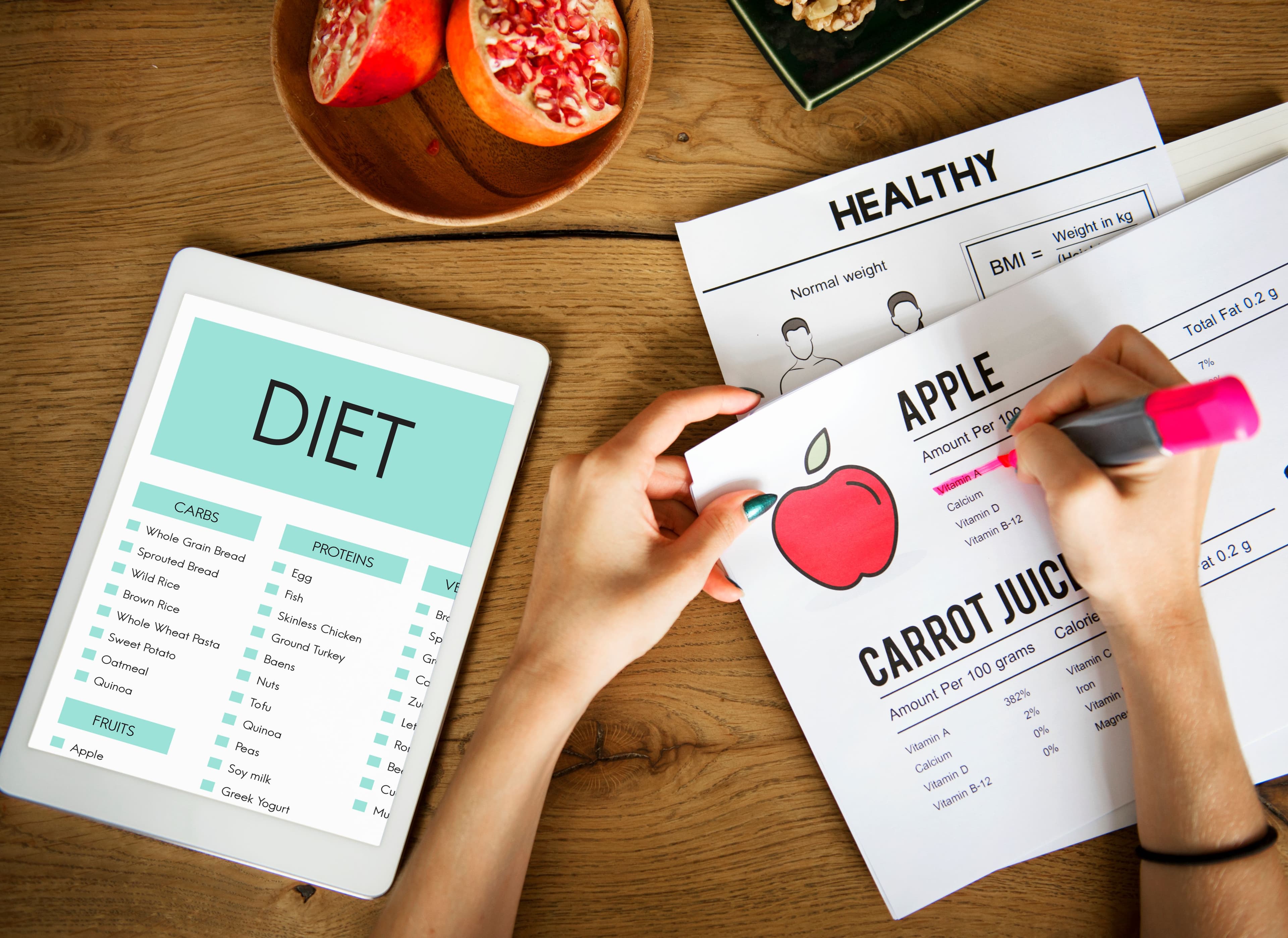
Most dieticians spend a lot of time creating diet charts and healthy recipes for their patients. But many patients still struggle to follow the plan. One major reason is that recipes are shared in ways that are hard to track. PDFs get lost. WhatsApp messages disappear in long chats. Screenshots become messy. Patients feel confused and stop following the diet.
In 2025, dieticians need simple and organised ways to share recipes that are easy for patients to use. This article explains why old methods no longer work and highlights better tools that save time and improve patient results, including modern platforms built specifically for nutrition workflows.
Most dieticians still depend on PDFs or WhatsApp messages because they seem quick. But over time they create problems for both you and your patients.
Once you send a PDF, you cannot edit it. If you update a recipe, you must send the whole file again. Patients often follow old versions without realising it.
Chats move fast. Recipes get buried under other messages. Patients may ask you for the same recipe again, increasing your workload.
Screenshots, notes, and forwarded links do not have a standard format. Patients cannot understand portion size, substitutions, or nutrition values.
Dieticians handle many conditions like PCOS, diabetes, thyroid, weight loss, heart health, or high protein diets. PDFs and chats cannot group recipes properly for each goal.
Today’s patients expect clean and clear diet plans, similar to what they see on health apps. Scattered files make your practice look unstructured even if your advice is excellent.
What Dieticians Need for Better Recipe Sharing
To improve patient adherence, nutrition professionals need tools designed specifically for diet planning and recipe organisation. The most helpful systems offer:
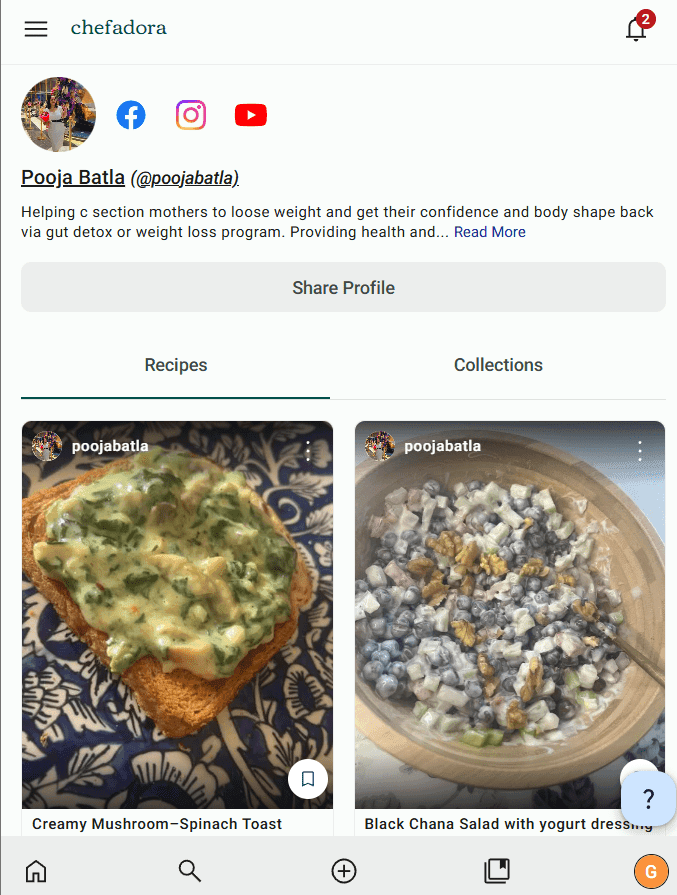
Check out how Nutritionist Pooja Batla uses Chefadora to share her recipes: chefadora.com/poojabatla/
Here are the solutions many modern dieticians are using to replace PDFs and WhatsApp:
Instead of scattered files, all recipes stay organised in one place. This is becoming the most preferred method among dieticians because patients can access everything through a single link.
A tool that lets you update a recipe anytime. Patients always see the latest version without confusion or multiple files.
PDFs are heavy and hard to scroll. Recipe pages that open in one click and load quickly on phones create better patient experience.
Patients trust your plan more when they see protein, calories, carbs, and fats. Good tools help make this easier.
This saves hours when onboarding new clients. You can keep collections ready for:
A good recipe layout uses a picture, ingredients, steps, and nutrition values. Simple presentation leads to better adherence.
Chefadora is a platform built for this exact workflow. Dieticians can store recipes, arrange them into collections like PCOS friendly or diabetic safe, add nutrition values, and update recipes anytime without resending files. Patients get a clean, easy to use page where they can find everything.
When recipes are easy to find and understand, patients follow their diet plans more consistently. Dieticians using structured tools often notice:
Diet counselling today is not only about guidance. It is also about how clearly and easily you present your information. PDFs and WhatsApp messages are simple, but they limit patient success.
Tools like Chefadora are giving dieticians a smoother way to organise, update, and share recipes. This helps patients stay consistent and reduces daily workload for health professionals.
Updated on 21 Jan 2026
Save recipes from anywhere, and get answers, swaps, and help as you cook.

