We use cookies on this website to ensure its proper functioning and to improve the quality of our services. Cookie Policy
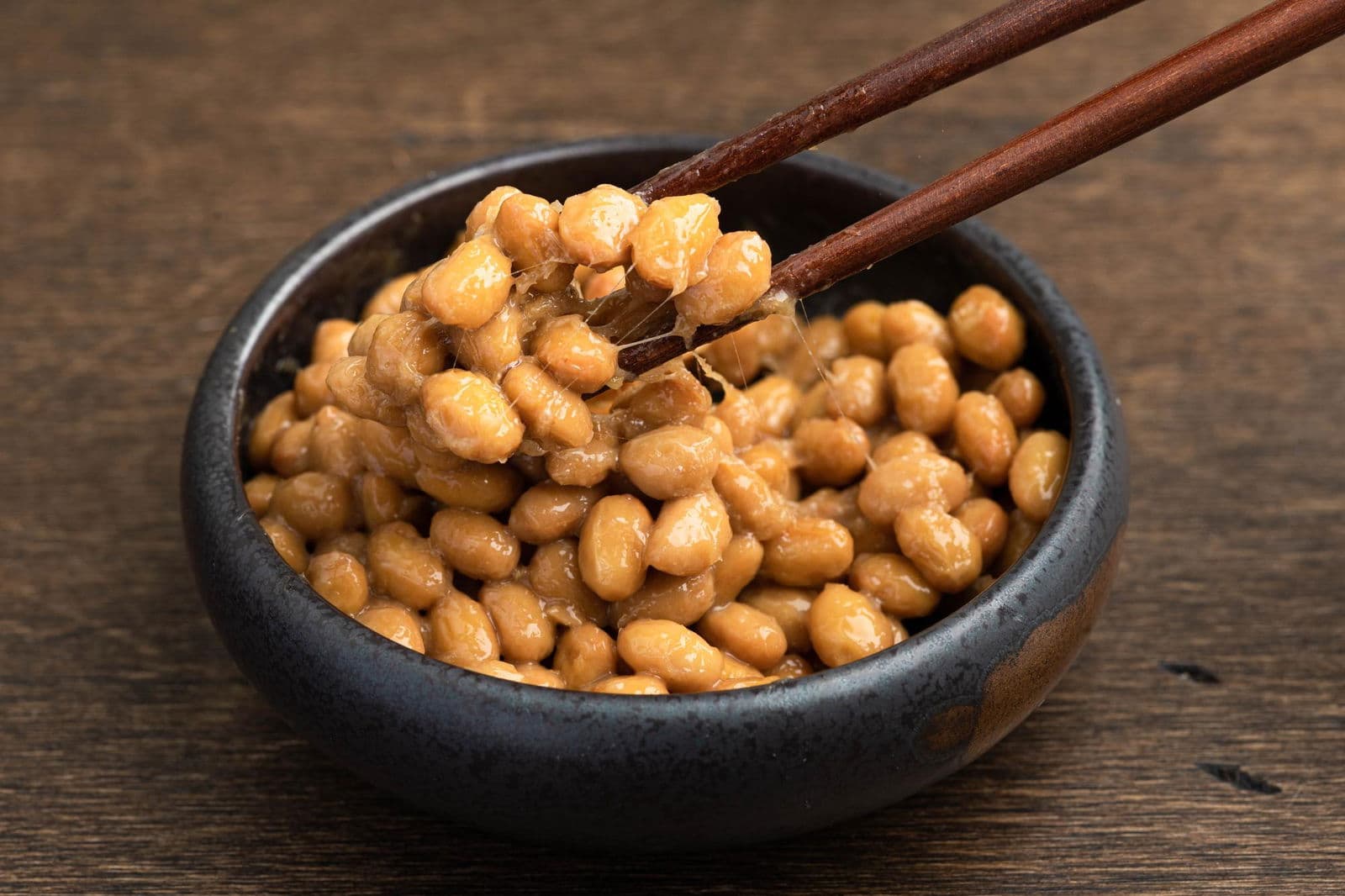
If you have ever opened a container of natto and immediately questioned every decision that led you there, you are in good company. Natto is one of Japan's most beloved health foods and one of the world's most polarizing ones. The smell is strong, the texture is slimy, and the taste takes getting used to. But millions of people eat it every single day, and the nutrition behind it is genuinely impressive.
Here is everything you need to know about natto, from what it actually is to how to eat it without suffering through it.
Natto is a traditional Japanese food made from fermented soybeans. Cooked soybeans are mixed with a bacteria called Bacillus subtilis, then left to ferment for about 24 hours in warm conditions. The result is sticky, stringy, earthy, and deeply savory.
The origin story goes back over a thousand years. A Japanese samurai with soybeans packed in rice straw. The warmth and bacteria naturally present in the straw started fermenting the beans. When his soldiers tasted them, they liked what they found. That accidental discovery is how natto was born.
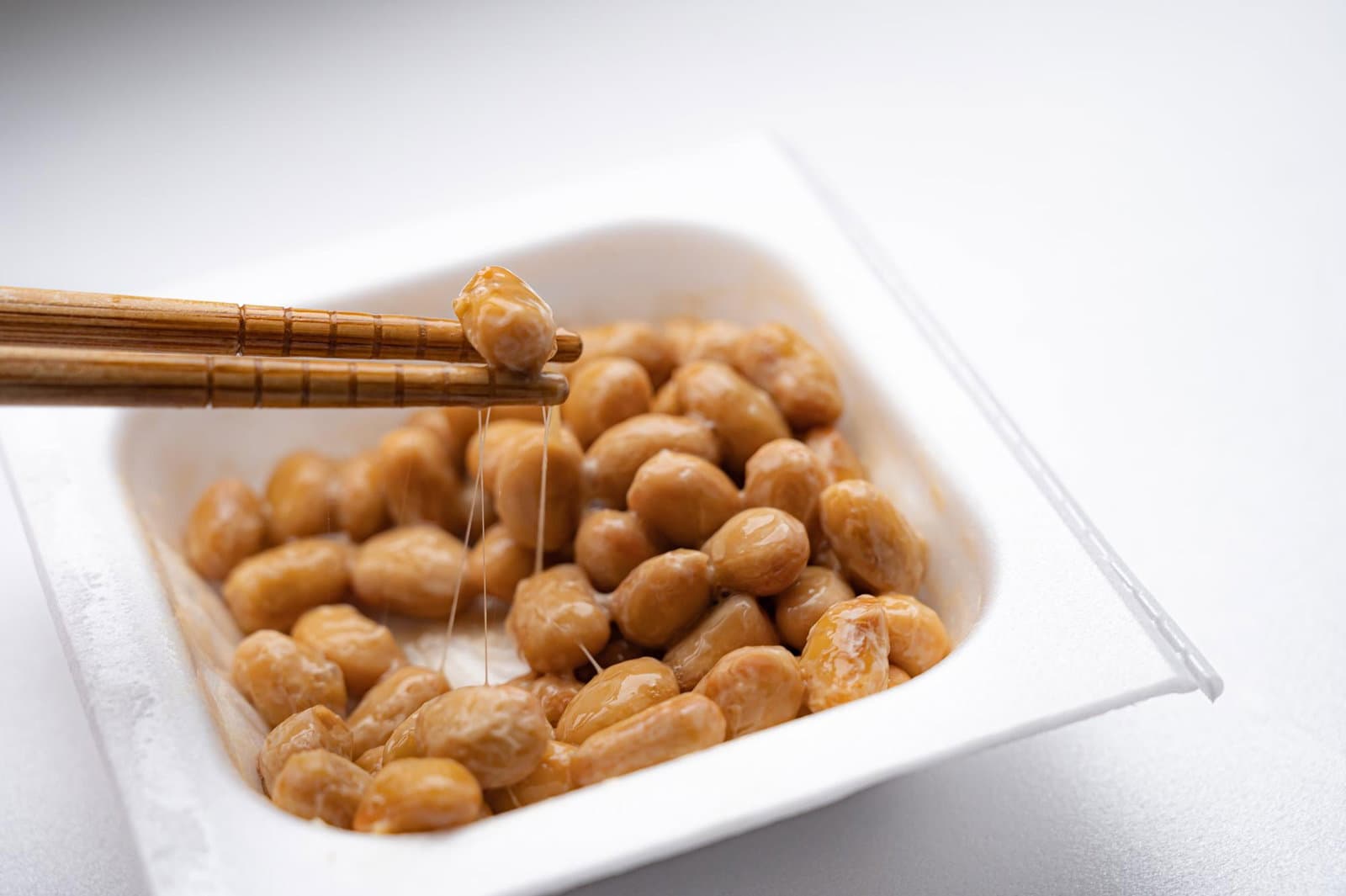
Today, natto is sold in small plastic containers at convenience stores all over eastern Japan, usually for breakfast. The rest of the world is catching on. You can find it in Asian grocery stores, health food shops, and online.
Natto belongs to the same soy food family as tofu, tempeh, and miso. But natto is the only one that contains a special enzyme called nattokinase, which is one of the main reasons researchers keep studying it.
Natto has a strong, earthy, pungent flavor. Think aged cheese crossed with something fermented and slightly bitter. The smell is sharp and ammonia-like. The texture is slimy and sticky, and when you stir it, long threads form between the beans. That stringiness is normal and actually a sign of good quality natto.
The good news is that you do not need to enjoy it plain. Mixed with warm rice, soy sauce, and a little Japanese mustard, natto becomes much more manageable. Cold natto has a milder smell. Pairing it with kimchi, green onions, or sesame oil helps balance the intensity.
Many people who eat natto regularly will admit they do not love the taste. They eat it because of what it does for their body.
Yes, very much so. A 100g serving of natto contains around 18g of protein, 5g of fiber, 217mg of calcium, 8.6mg of iron, and roughly 700 micrograms of vitamin K2. That last number is extraordinary. Natto has the highest concentration of vitamin K2 of any food on earth, and it is one of the only plant-based sources of it. For vegans and vegetarians, that alone makes it worth considering.
If you already enjoy plant-based foods like edamame and tofu rice bowl, adding natto is a natural next step.
Beyond the numbers, natto is a probiotic food. The Bacillus subtilis bacteria inside it supports a healthy gut microbiome, which is connected to better digestion, stronger immunity, and lower inflammation. Fermentation also breaks down antinutrients in soybeans, so your body absorbs the nutrients more easily than it would from plain soybeans.
Natto also supports bone health. The vitamin K2 it contains helps direct calcium into your bones rather than into your arteries. This is especially valuable for older adults looking to maintain bone density without relying entirely on dairy.
This is where natto gets really interesting. Two things in natto specifically target heart health: dietary fiber and nattokinase.
The fiber helps remove cholesterol from your digestive system before it gets absorbed into your blood. High-fiber diets consistently lower LDL (bad) cholesterol over time.
Nattokinase is the standout, though. This enzyme, produced during fermentation, has been studied for its ability to dissolve fibrin, the protein involved in blood clot formation. Blood clots are a leading cause of heart attacks and strokes. Nattokinase helps keep blood flowing by breaking down existing clots and slowing new ones from forming. It may also help lower blood pressure by blocking enzymes that cause blood vessels to constrict.
The reason doctors do not always mention nattokinase is caution around drug interactions. Because it acts like a natural blood thinner, it can interfere with anticoagulant medications like warfarin. If you are on blood-thinning drugs, talk to your doctor before adding natto to your regular diet.
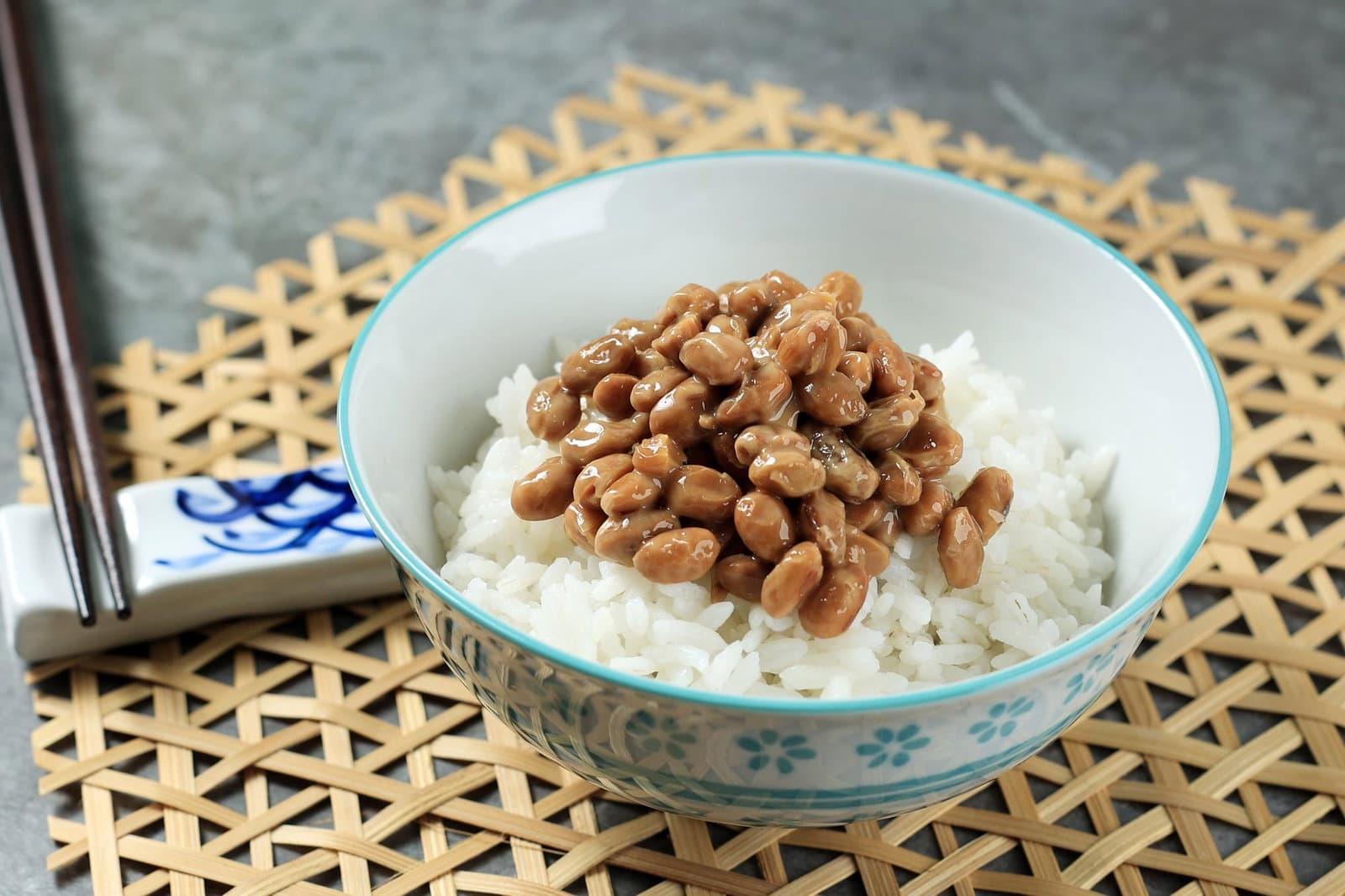
Start small. A half-serving on your first try is more than enough. Open the container, take out the sauce (tare) and mustard packets, and set them aside. Before you add anything, stir the natto on its own. The more you mix it, the more umami flavor comes out and the silkier the texture becomes. Then add the sauce and mustard, mix again, and serve over warm rice.
That is natto gohan, the most traditional way to eat it in Japan.
If rice feels too plain, try these beginner-friendly combinations:
For more fermented food inspiration, the kimchi and kefir pages on Chefadora are great places to explore gut-friendly pairings.
Two to four times a week gives you real nutritional benefits without going overboard. In Japan, many people eat it daily, which is considered safe for most healthy adults. Just be mindful of the high vitamin K2 content if you are on blood-thinning medication, as K2 can interfere with how those drugs work.
One serving a day (50g to 100g) covers the main benefits. More than that in a single day is unlikely to cause harm, but there is no need either.
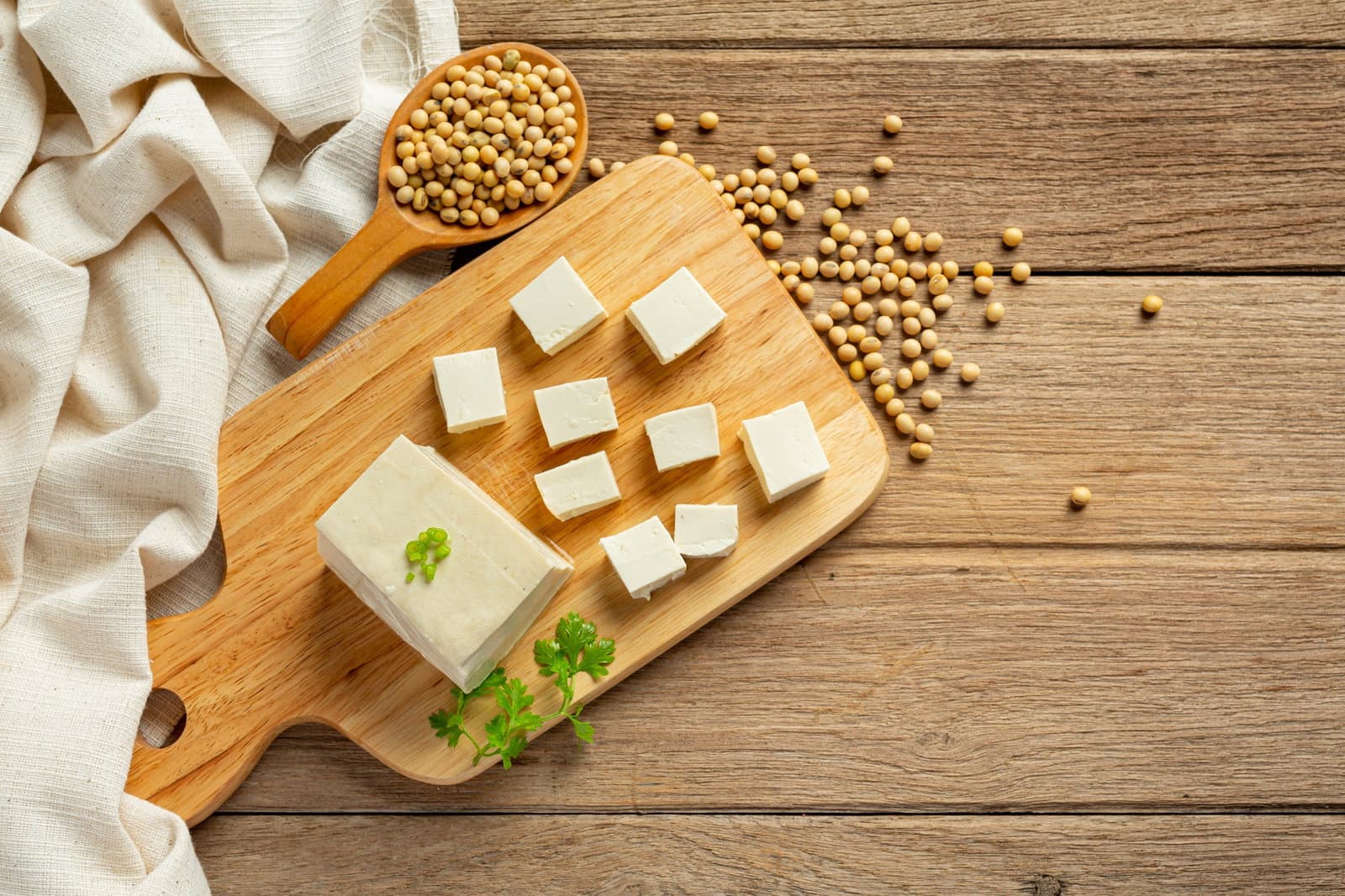
Both come from soybeans, but they work differently. Tofu is mild, versatile, and great for cooking. Natto is fermented, which makes it nutritionally denser. It has more protein per gram, significantly more fiber, far more vitamin K2, and the added benefit of live probiotics and nattokinase. None of those exist in tofu.
On a pure nutrition comparison, natto wins. But tofu is far easier to cook with and more approachable for most people. The best approach is to have both in your diet.
Natto sits in an interesting category alongside other foods that challenge first impressions. If you enjoy exploring unusual foods with real cultural depth, our piece on Casu Marzu, Sardinia's controversial fermented cheese, is a fascinating read. And if you think natto is adventurous, the story of Kai Chutney, India's red ant chutney that won over Gordon Ramsay, takes things to another level entirely.
Q1. Can Muslims eat natto?
A1. Generally, yes. Natto is made from soybeans and beneficial bacteria, with no pork-derived ingredients or alcohol. However, the sauce packets sometimes included may contain non-halal soy sauce, so it is best to check the label or use halal-certified seasoning.
Q2. Does natto have estrogen?
A2. Natto does not contain estrogen. It contains isoflavones, which are plant compounds that have a mild estrogen-like effect. These compounds interact with estrogen receptors in the body but are much weaker than human estrogen.
Q3. Why do some people eat natto at night?
A3. Some people prefer eating natto at night because nattokinase, the enzyme found in natto is believed to work best during rest, when blood clot risk may be slightly higher. However, in Japan it is traditionally eaten at breakfast, and either time provides the same nutritional benefits.
Q4. Does natto help with constipation?
A4. Yes. Natto contains both dietary fiber and probiotics, which support healthy digestion and may help relieve constipation when eaten regularly.
Q5. Is natto gluten-free?
A5. Plain natto is naturally gluten-free. However, the sauce packets that come with it may contain wheat-based soy sauce, so people with gluten sensitivity should check the label.
Q6. Where can you buy natto?
A6. Natto is usually available in the refrigerated section of Asian grocery stores. It may also be found in some health food stores or purchased online.
Natto is not the easiest food to fall in love with. But it is one of the most nutritionally complete plant-based foods you can eat. Give it a fair shot over warm rice with soy sauce and mustard, mix it well, and see where it takes you. You might be surprised.
Updated on 11 Mar 2026
Save recipes from anywhere, and get answers, swaps, and help as you cook.

