We use cookies on this website to ensure its proper functioning and to improve the quality of our services. Cookie Policy
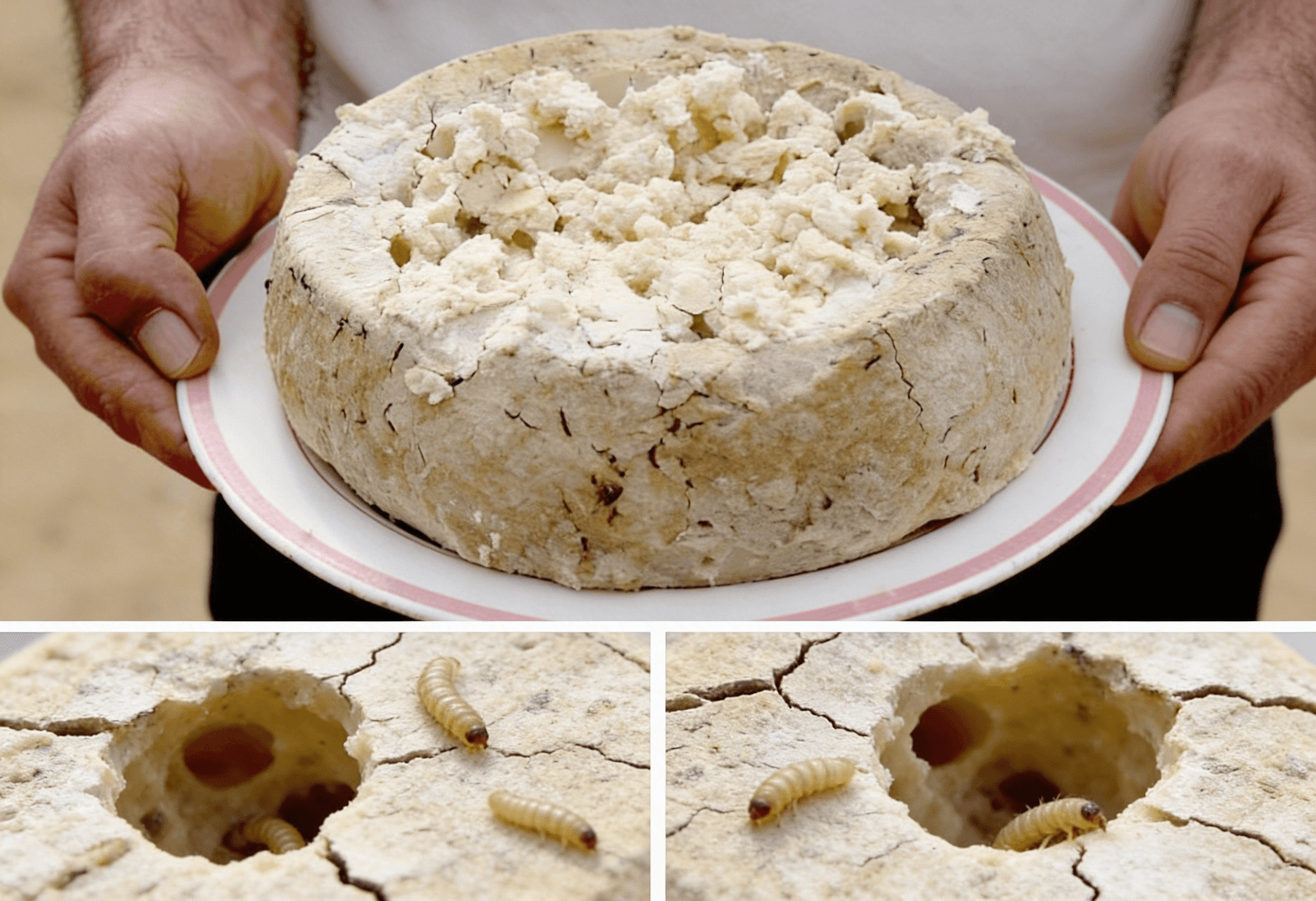
Have you ever heard of a cheese that moves? Yes, you read that right. Casu marzu is a real cheese, and it actually wriggles. If that has your curiosity going, keep reading because this is one of the most fascinating foods on the planet. It has a wild story, a bold flavor, and a reputation that has earned it a spot in the Guinness World Records. Let's dig in.
Casu marzu is a traditional sheep milk cheese from the Italian island of Sardinia. The name literally means "rotten cheese" in the Sardinian language. But calling it rotten does not quite do it justice. This cheese is famous for containing live insect larvae, which are the tiny wriggling babies of the cheese fly, known scientifically as Piophila casei.
These larvae are not an accident. They are the whole point. They eat through the cheese from the inside, breaking down the fats and proteins in the process. The result is a very soft, creamy, spreadable cheese with a sharp and complex flavor.
In 2009, the Guinness World Records declared casu marzu to be the world's most dangerous cheese. That title alone should tell you this is no ordinary block of cheddar.
Casu marzu comes from the island of Sardinia, which sits in the middle of the Mediterranean Sea off the western coast of Italy. Sardinia has its own language, its own food traditions, and its own deep connection to shepherding and cheese-making.
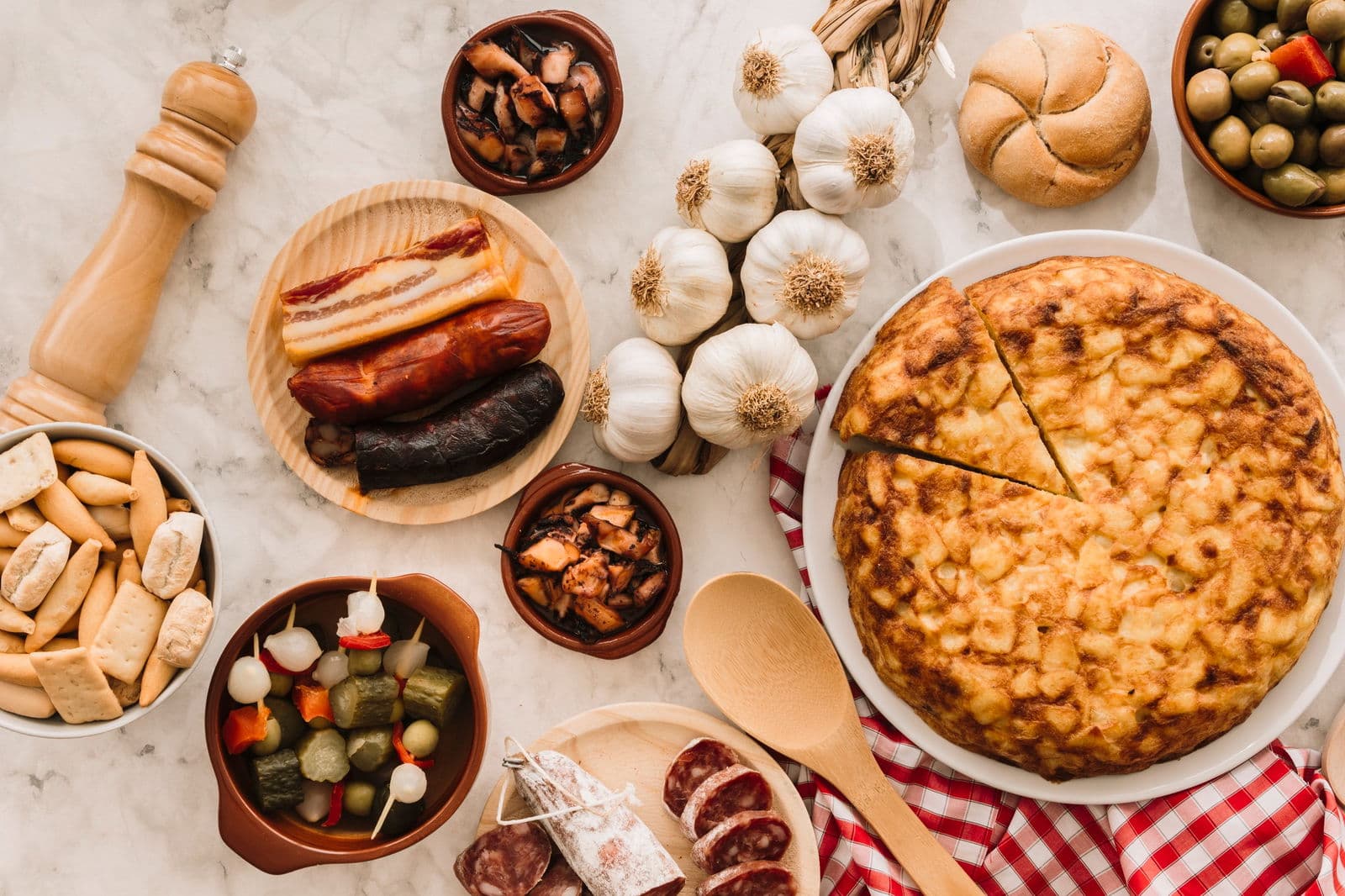
For Sardinians, casu marzu is more than just a cheese. It is a piece of their identity. It connects them to the land, to their ancestors, and to the island's shepherding traditions. Many locals describe it as something almost magical, tied to the sirocco wind, the sheep, and the rhythms of the seasons.
This is where things get really interesting. The process of making casu marzu starts with a regular wheel of Pecorino Sardo, which is a firm sheep milk cheese. At a specific point during the aging process, cheesemakers remove part of the rind from the top of the wheel. This opens the cheese up to the outside world.
The cheese is then left outside or in a ventilated area. The cheese fly, Piophila casei, is attracted to the smell. It lands on the exposed cheese and lays its eggs inside. Sometimes cheesemakers even cut small holes in the rind and fill them with a little oil to make it even easier for the flies to lay eggs.
When the eggs hatch, the larvae begin eating their way through the cheese. As they digest the cheese, the fats break down and the texture softens dramatically. The cheese transforms from a firm wheel into a creamy, spoonable paste.
You can even tell it is working properly when you see tiny droplets of a fatty liquid seeping through the outside of the wheel. This liquid is called lagrima, which means "teardrop" in the local dialect. If the lagrima is flowing, the cheese is doing what it is supposed to do. The entire process takes about three months. By the time the cheese is ready, a single wheel can contain thousands of live maggots. The maggots themselves are translucent and about 8 millimeters long, roughly a third of an inch.
Here is a wild detail: cheesemakers and locals believe that casu marzu is only safe to eat when the maggots are still alive. If the maggots have died, it means the fermentation has gone too far, and the cheese is considered truly unsafe.
Traditionally, the best casu marzu is made from sheep milk collected at the end of June, when the sheep are entering their reproductive cycle and the quality of the milk changes. Locals also say that cheese made on a day when a warm sirocco wind is blowing turns out better than usual, because the warmth softens the cheese and makes it easier for the flies to do their job.
If you can get past the idea of what is inside, casu marzu actually has a flavor that many people describe as incredible. The taste is rich, sharp, creamy, and a little spicy. Some compare it to a very strong Gorgonzola, but with an extra acidic kick that comes from the larvae's activity.
The texture is soft and spreadable, almost like a very ripe cream cheese but with occasional firmer bits. The maggots themselves add to the spiciness of the flavor. When you eat the cheese, you are also taking in all the acids and enzymes the maggots have been producing throughout the fermentation. This is what gives casu marzu such an intense and layered taste that you cannot find anywhere else.
This is the big question, and the answer is complicated.
The main concern is that the larvae inside the cheese are alive when you eat them. Most of the time, the strong acid in your stomach kills the larvae before they can cause any harm. However, there is a small chance that some larvae survive the journey through the stomach and make it into the intestines. This condition is called enteric myiasis, and it can cause nausea, vomiting, stomach cramps, and in serious cases, intestinal damage.
Because of this risk, official health bodies in Italy and the European Union have deemed the cheese potentially dangerous. That said, no documented cases of illness directly linked to eating casu marzu have been confirmed. Many Sardinians have been eating it their whole lives without any problems.
There is one other safety tip you should know about. When you cut into the cheese, the maggots inside can feel the disturbance. They can jump up to 6 inches, which is about 15 centimeters. Experienced eaters often hold their hand above the cheese or wear glasses to protect their eyes when serving it.
Casu marzu is currently illegal to sell in Italy and across the entire European Union. The Italian government first challenged the sale of this cheese back in 1962, under laws that prohibit selling food infested with parasites. Anyone caught selling it today can face fines of up to 50,000 euros, which is roughly 60,000 US dollars.
The cheese is also banned in the United States and several other countries around the world.
Even on the island of Sardinia where it was born, you cannot legally buy or sell casu marzu. It exists in a kind of underground food culture, passed between shepherds, shared with trusted friends, and occasionally found by adventurous travelers who know who to ask.
When it is time to eat casu marzu, the top of the wheel is cracked open to reveal the creamy interior. A spoonful of the soft cheese is scooped out and spread onto a piece of bread. The traditional pairing is ‘pane carasau’, a thin and crispy Sardinian flatbread that has been lightly soaked or moistened. The cheese is also traditionally enjoyed with a glass of Cannonau, a bold red wine from Sardinia.
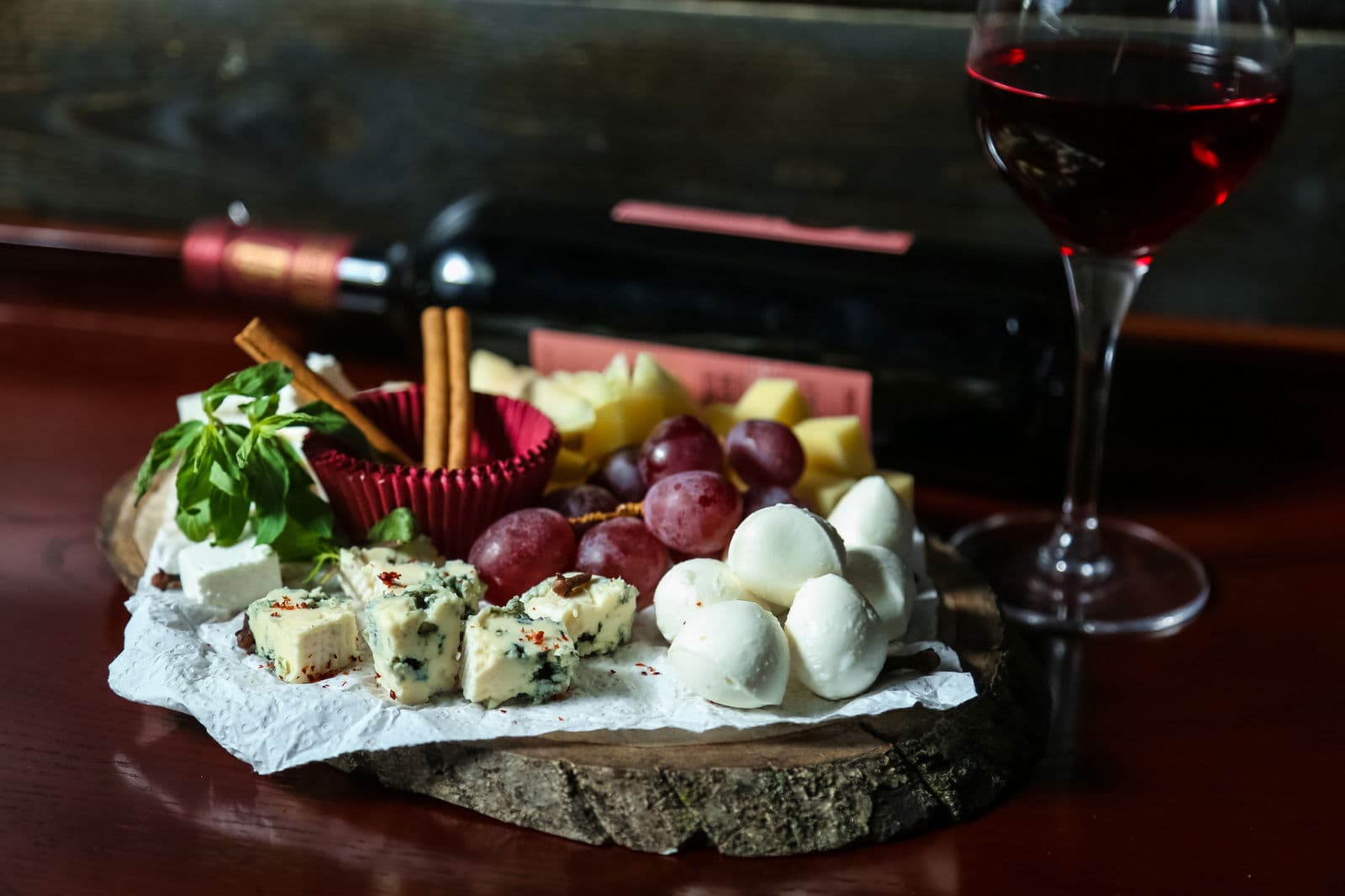
As for the maggots, that part is up to you. Many locals eat the cheese with the maggots still in it and consider it part of the experience. Others prefer to remove them first. One popular method is to seal a piece of the cheese inside a tightly closed plastic bag. When the maggots run out of air, they come out of the cheese on their own. Once the pattering sound stops, the cheese is ready to eat without any wriggling company.
Casu marzu is the most famous cheese of its kind, but it is not the only one. Other regions in Italy have their own versions, including marcetto from Abruzzo, saltarello from Friuli, casu du quagghiu from Calabria, and cacie' punt from Molise. Each one uses a similar process, with local flies and local milk giving each cheese its own personality.
Outside of Italy, the French island of Corsica has a version called casgiu merzu. Germany has a cheese called Milbenkäse that uses cheese mites instead of maggots. France also has Mimolette, which has a similar mite-based aging process. So while casu marzu might seem like something from another world, it actually fits into a very long and very human tradition of using tiny creatures to help make great cheese.
Q1. What does casu marzu mean?
A1. Casu marzu means "rotten cheese" in the Sardinian language. It is also sometimes called casu martzu, formaggio marcio, or by other local names depending on which part of Sardinia you are in.
Q2. Where is casu marzu from?
A2. Casu marzu comes from the island of Sardinia in Italy. It is a traditional cheese tied closely to the island's shepherding and dairy culture.
Q3. What type of cheese is casu marzu made from?
A3. Casu marzu starts as Pecorino Sardo, a firm sheep milk cheese. The larvae of the cheese fly (Piophila casei) are introduced to the cheese during aging, transforming it into a soft, creamy, spreadable cheese.
Q4. Why does casu marzu have maggots in it?
A4. The maggots are not an accident. They are intentionally introduced to ferment the cheese. The larvae eat through the cheese and break down the fats and proteins, creating casu marzu's signature soft texture and bold flavor.
Q5. Is it safe to eat casu marzu?
A5. There is a small health risk. The larvae can potentially survive in the intestines and cause discomfort or damage. However, no confirmed cases of illness directly linked to casu marzu have been documented. Locals often eat it without any issues.
Q6. Why is casu marzu illegal?
A6. Casu marzu is banned in Italy, the European Union, the United States, and many other countries because it is classified as food infested with parasites. Selling it in Italy can result in fines of up to 50,000 euros.
Q7. What does casu marzu taste like?
A7. It has a rich, creamy, sharp, and spicy flavor. Many people compare it to a very intense Gorgonzola with an extra acidic kick. The texture is soft and spreadable, similar to a very ripe cream cheese.
Q8. What do you eat casu marzu with?
A8. Casu marzu is traditionally spread on pane carasau, a thin crispy Sardinian flatbread, and paired with Cannonau, a strong local red wine.
Q9. Do you have to eat the maggots?
A9. No, you do not have to. Some people eat the maggots along with the cheese, while others seal the cheese in a bag to force the larvae out before eating. The choice is completely up to you.
Casu marzu is one of the most extraordinary foods in the world. It is a cheese with a living culture inside it, literally. Born out of centuries of Sardinian tradition, it tells the story of a people who have always worked closely with nature, even when that means sharing their food with flies and their larvae. Whether or not you would ever want to try it, there is no denying that casu marzu is fascinating. It challenges what we think of as food, what we think of as safe, and what we think of as delicious. For the people of Sardinia, it is all three. If you are the adventurous type who loves exploring the most unusual foods the world has to offer, casu marzu belongs on your food bucket list. Just remember to cover your eyes when you open the wheel.
Posted on 24 Feb 2026
Save recipes from anywhere, and get answers, swaps, and help as you cook.

