We use cookies on this website to ensure its proper functioning and to improve the quality of our services. Cookie Policy
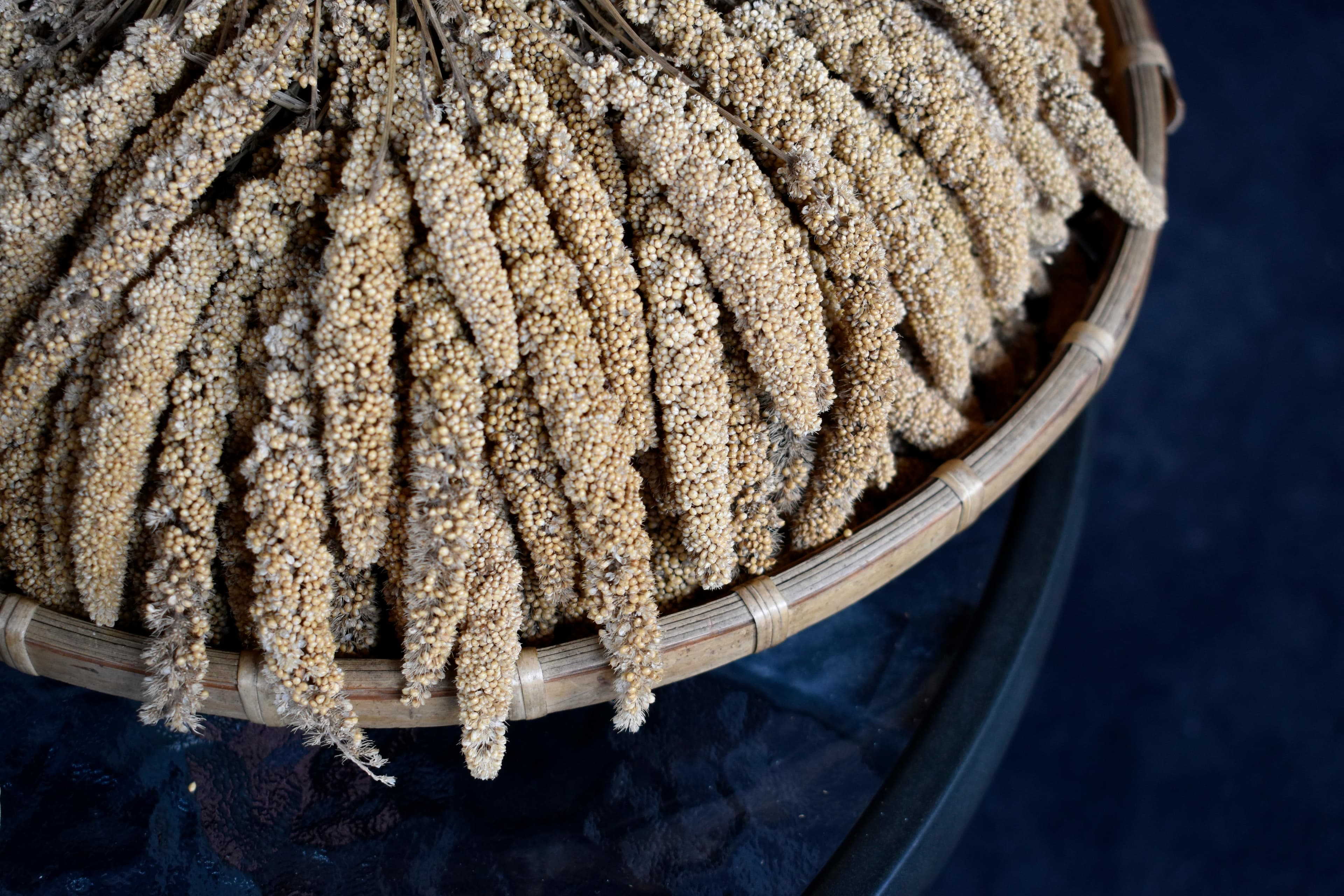
In the terraced fields and rolling hills of Nepal, a long-forgotten grain has made a powerful comeback—millet. Once a staple in traditional Nepalese diets, millet grains had gradually faded from mainstream agriculture as farmers turned to high-yield hybrid crops. However, as climate change and food security concerns rise, this resilient grain is being embraced once again for its sustainability, nutritional value, and economic potential.
For centuries, millet has been a vital part of Nepalese cuisine, especially among Indigenous communities such as the Gurung, Magar, and Rai. It was commonly used in porridges, rotis, and even in local alcoholic beverages. Compared to rice and wheat, millet required minimal water and could thrive in poor soil conditions, making it ideal for Nepal’s diverse geography.
With urbanization and changing dietary habits, millet farming saw a decline as people shifted towards rice and imported grains. However, as climate change threatens traditional agriculture, farmers are rediscovering the benefits of millet, not just as a means of preserving heritage but as a crucial solution for sustainable farming.
Try this Nepali millet roti recipe.
One of the key factors driving millet’s resurgence is its incredible adaptability to harsh climates. Nepal has been facing unpredictable weather patterns, including extended droughts, heavy rainfall, and soil degradation. Unlike water-intensive crops, millet can flourish in arid conditions with minimal irrigation, making it a sustainable option for farmers facing the impacts of climate change. Regions such as Lamjung, Kaski, and Ramechhap have witnessed an increase in millet cultivation, with farmers reporting better yields and reduced dependency on chemical fertilizers.
How long does millet take to grow? With a rapid growing cycle of just 60–90 days, millet can be harvested multiple times a year, making it a crucial crop for food security. Furthermore, millet promotes biodiversity, as it can be intercropped with other staples, reducing the risk of soil depletion.
Beyond its environmental benefits, millet is also a powerhouse of nutrition. Rich in fiber, protein, iron, and essential minerals, it offers a healthier alternative to processed grains. As non-communicable diseases such as diabetes and obesity rise in Nepal, millet is being recognized for its role in promoting balanced nutrition.
Efforts are underway to integrate millet into school meals and daily diets. Innovative millet-based products, including energy bars, breakfast cereals, and baked goods, are being developed to appeal to modern consumers while preserving traditional dietary values. Millet’s ability to regulate blood sugar levels and improve digestion makes it an ideal choice for health-conscious individuals.
Here is a delicious millet cake to try.
The revival of millet grain is not just about sustainability and health—it’s also creating economic opportunities for Nepal’s smallholder farmers. As global demand for ancient grains increases, millet has the potential to become a valuable export commodity, benefiting rural communities financially.
Government initiatives, NGOs, and agricultural cooperatives are providing training, improved seeds, and market access to millet farmers. Local entrepreneurs are also stepping in to develop millet-based products such as flour, snacks, and beverages, boosting income opportunities. With the right infrastructure and awareness, millet farming could become a major contributor to Nepal’s agricultural economy.
As Nepal grapples with the challenges of food security and climate change, the resurgence of millet offers a hopeful path forward. By embracing this resilient grain, farmers are not only protecting their land and livelihoods but also contributing to a healthier and more sustainable food system. From traditional kitchens to global markets, millet is proving that sometimes the answers to modern problems lie in the wisdom of the past. With increasing awareness and support, Nepal’s ancient millet grains are set to play a crucial role in shaping the future of sustainable eating—one harvest at a time.
Updated on 21 Jan 2026
Save recipes from anywhere, and get answers, swaps, and help as you cook.

