We use cookies on this website to ensure its proper functioning and to improve the quality of our services. Cookie Policy
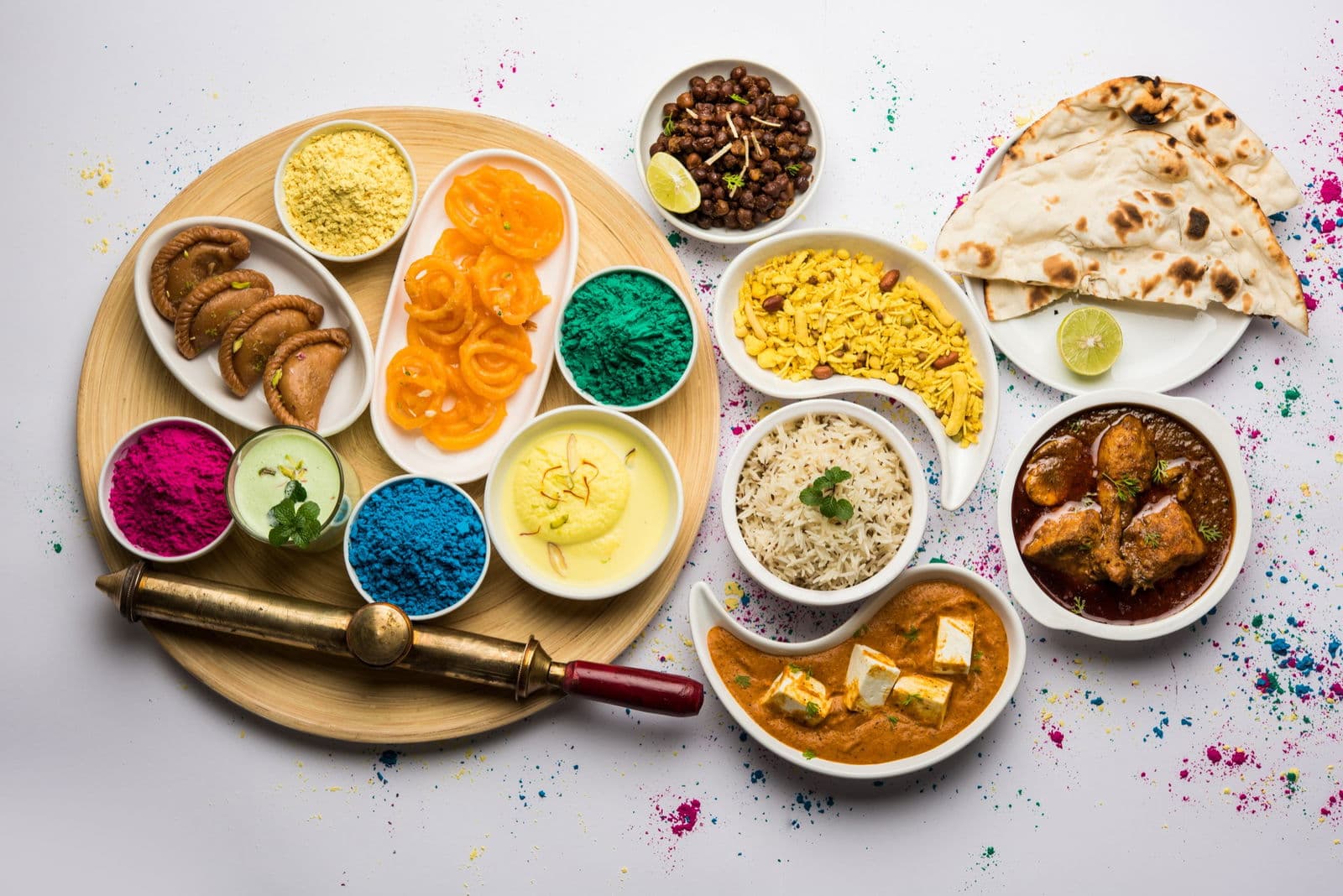
Holi is one of the most joyful festivals in the world. People throw bright colored powders, dance, sing, and eat delicious food together. It marks the arrival of spring and brings families and friends closer. In 2026, Holika Dahan falls on March 3 and Rangwali Holi (the main day of colors) is on March 4.
But Holi is about much more than colors. It carries deep meaning, rich traditions, and some seriously amazing food. Let's explore what makes this festival so special.
Holi is a Hindu spring festival celebrated across India and around the world. It is also called the "Festival of Colors." The celebration goes back thousands of years and is rooted in mythology.
The most well-known story is about Prahlad's father, a powerful king, who wanted everyone to worship him. But Prahlad stayed devoted to Lord Vishnu. The king's sister Holika tried to burn Prahlad in a bonfire, but he survived and she did not; reminding us that good wins over evil.
Holi also celebrates the love between Lord Krishna and Radha. According to legend, young Krishna had dark blue skin and worried about looking different from Radha. His mother suggested he playfully color Radha's face. That playful tradition of smearing colors on loved ones is still alive today, especially in Mathura and Vrindavan.
Now, let's talk about the best part for food lovers. Holi food is rich, colorful, and made for sharing. Every kitchen in India buzzes with preparation in the days before the festival.
Here are the foods that truly define Holi:
Looking for something lighter and easier? These no-cook Coconut Paan Energy Bites are quick to make and packed with flavor.
Holi is no longer limited to India. Cities across the US, UK, Australia, and Europe now host their own Holi events. From rooftop parties in New York to beach festivals in Los Angeles, people from all backgrounds come together to throw colors, dance to music, and enjoy Indian food.
These global celebrations often feature organic colors, live music, and food stalls serving gujiya, thandai, and chaat. It is a beautiful example of how a cultural tradition can bring people together no matter where they are.
You do not need to be in India to enjoy the spirit of Holi. Here are some simple ways to celebrate at home:
Cook a spread of traditional Holi sweets and snacks to share with neighbors or friends. Set up a small outdoor color play area with organic gulal, especially fun if you have kids. Play Holi-themed Bollywood music to set the mood. Wear white clothes so the colors really stand out. Most importantly, focus on what Holi represents: forgiveness, renewal, and connection with the people around you.
Q1. Why do people throw colors on Holi?
A1. The tradition comes from the story of Krishna and Radha. Krishna playfully colored Radha's face, and that act of love became a festival tradition that symbolizes joy and togetherness.
Q2. What is Holika Dahan?
A2. Holika Dahan is the bonfire lit on the evening before Holi. It represents the burning of evil and celebrates the story of Prahlad's survival over Holika.
Q3. What is the most popular food eaten during Holi?
A3. Gujiya is the most iconic Holi sweet. Other popular foods include thandai, jalebi, malpua, kanji vada, and dahi bhalla.
Q4. Can I celebrate Holi if I am not Hindu?
A4. Absolutely. Holi is widely celebrated by people of all backgrounds. It is a festival of joy, spring, and community, and everyone is welcome.
Q5. What are the natural colors I can use for Holi?
A5. You can make colors at home using turmeric (yellow), beetroot powder (pink), henna powder (green), and dried flower petals. These are gentle on the skin and eco-friendly.
Q6. What drinks are traditionally served during Holi?
A6. Thandai is the most traditional Holi drink. It is a spiced milk beverage made with almonds, saffron, and rose. Lassi (sweet or salted yogurt drink) is also very common.
Q7. How long does the Holi celebration last?
A7. The main celebration is two days. Holika Dahan is observed in the evening, and Rangwali Holi takes place the following morning and afternoon. Some regions extend festivities over a week.
Updated on 25 Feb 2026
Save recipes from anywhere, and get answers, swaps, and help as you cook.

