We use cookies on this website to ensure its proper functioning and to improve the quality of our services. Cookie Policy
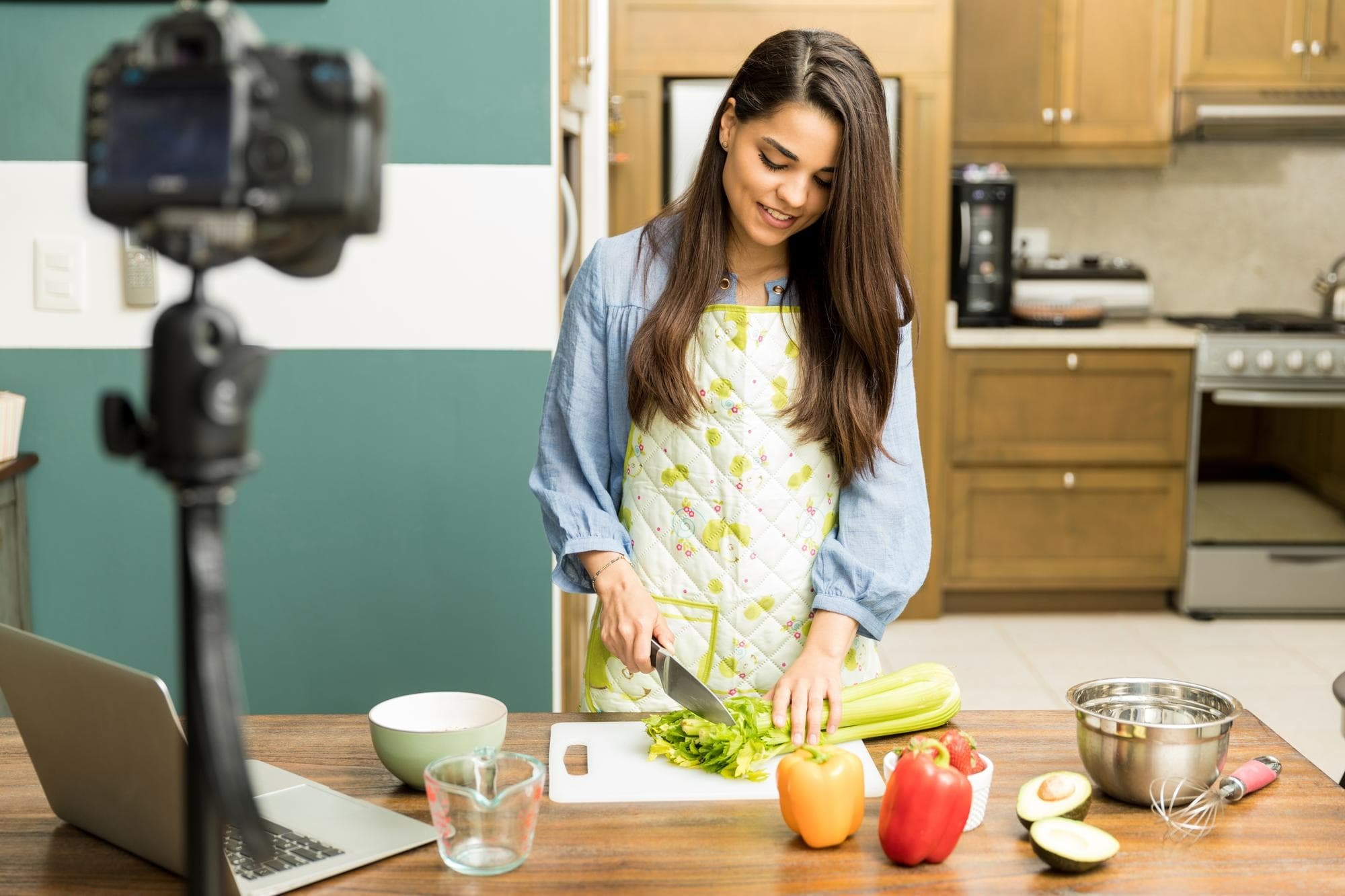
Food content creation usually begins with a spark and great excitement. You cook a recipe that you absolutely love.You take a cute picture, and feel proud. You think, “Let me share this.”
At first, food blogging and food content creation can feel simple. Light. Almost effortless. Cooking, clicking, writing, posting. It can feel like a natural day-to-day chore of life for many food creators just starting their journey, often experimenting with things like Food photography at home without equipments for beginners before realising how much effort food content creation can actually take. Then slowly, things begin to change.
Food content creation may start to feel heavier. You begin to question your pace. You compare your work. You wonder why food content creation feels tiring when you genuinely enjoy food and food blogging.
Why do food creators struggle so much with food content creation?
Why does food blogging feel exhausting instead of fun?
Why does food content creation feel harder than it looks?
You might find some answers here!
It is the myths associated with food content creation that quietly shape expectations and create food content creation tiring for many food creators.
Food content creation myths do not arrive as rules. They arrive as ideas that can sound reasonable to one. Advice that you hear often enough on the internet, that it starts to feel true.
Over time, these food content myths can affect how creators judge their work, their pace, and themselves. This is where food content creation struggles can begin, especially for those moving from hobby cooking into content creation, a transition explored in Home cook to food content creator | A beginner’s guide
Below are some of the most common food content creation myths. Almost every food creator happens to believe at least a few of these myths at some point in their food content creation journey.
Many food creators believe that exhaustion is just a small part of food content creation. If you are serious about food blogging, burnout feels expected.
Long hours feel normal.
Constant pressure feels unavoidable.
Food creator burnout slowly becomes something people accept instead of question. But, the reality is - burnout in food content creation is not proof of dedication. It is a sign of warning.
Must know: Burnout is not an indicator for being a serious food content creator.
This is one of the most common food blogging myths and content creation myths in the food niche.
Many food creators are led to believe that if they miss a day, they will disappear. Visibility is made to feel fragile. Rest feels risky in food content creation. The truth is, this belief creates content creation fatigue, especially in food content creation where cooking, shooting, and editing require real physical effort.
Your food content will not lose value just because you slow down.

This myth connects food content creation success directly to numbers.
Food creators see big accounts and assume money follows instantly. When that does not happen, self-doubt sets in and food creators struggle quietly. Many of these assumptions are discussed in 7 Common Food Creator Mistakes That Slow Your Growth.
In reality, food content creation income depends on trust, timing, and opportunities. Follower count alone does not decide value in food blogging.
Must know: A smaller, trusted audience can matter more than a large, disconnected one.
Going viral looks exciting. It feels like success in food content creation.
But most food creators do not go viral. They grow slowly. One recipe at a time. One reader at a time. This is the real food content creation reality for most food bloggers.
This food creator myth makes steady progress feel invisible, even when people are saving, returning, and trusting the food content.
Many food creators feel pressure to be everywhere. Blogs, reels, short videos, stories, posts. This pressure increases food content creation challenges.
This myth ignores how different platforms work. Treating them the same leads to confusion, burnout, and food content creation exhaustion. The difference becomes clearer when you look at how professionals approach content, as seen in Case Study: How Private Chefs Use Chefadora to Grow Their Culinary Business
Trying to do everything often makes food content creation feel overwhelming.
This is a hidden food content myth that many food creators feel but rarely say out loud.
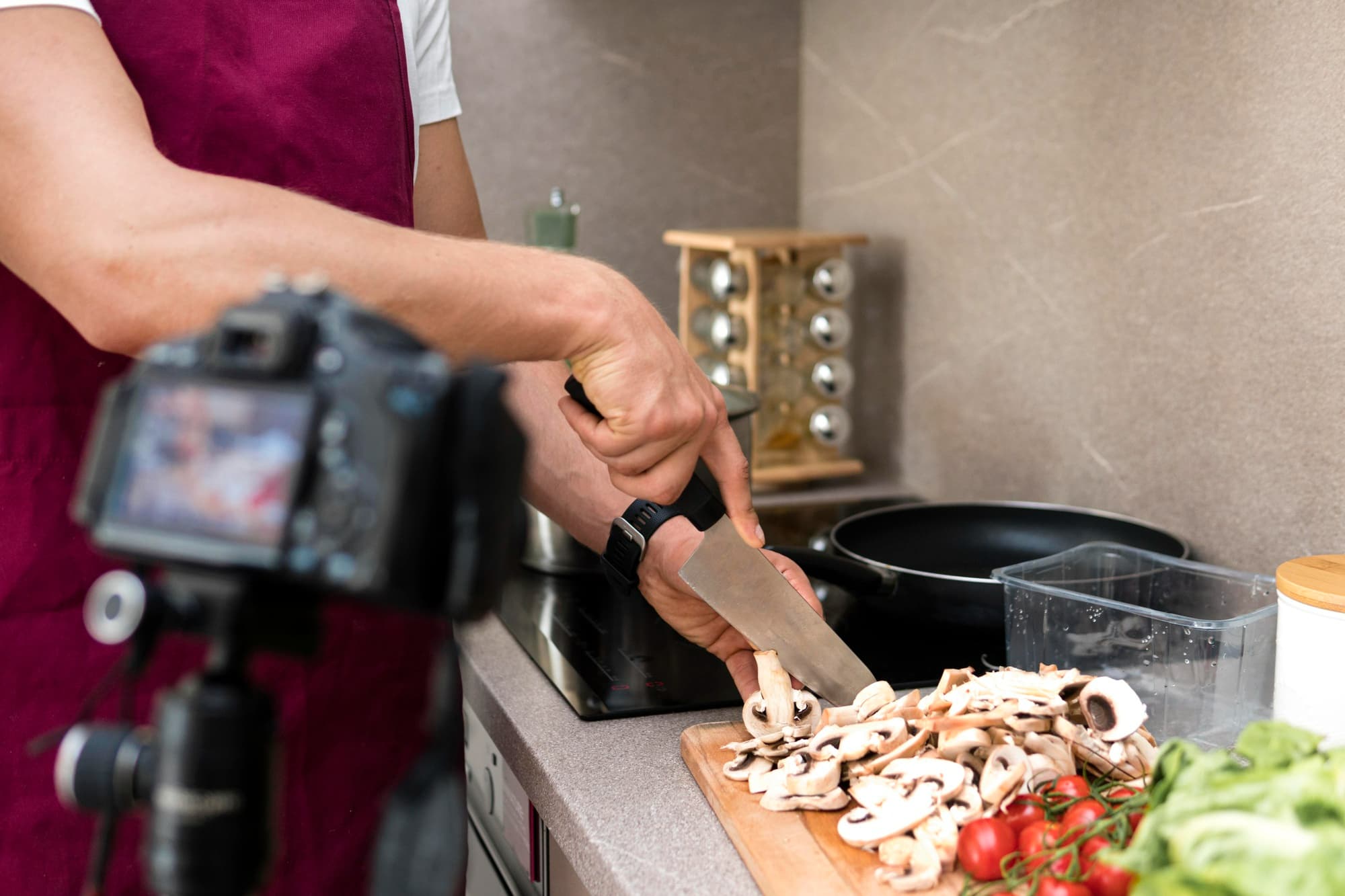
Food content creation involves cooking, testing, styling, shooting, editing, and writing. It is physical and creative work combined.
Calling food blogging “easy” dismisses the effort behind it and adds to food creator frustration and food content creation problems.
Food content creation is real work, and that work is what makes it look effortless online.
When a post gets low engagement, food creators often feel discouraged.
But many readers save recipes quietly. Many return weeks later. Many trust builds slowly. This is a common food blogging reality.
Performance is not the only sign of value in food content creation.
Quiet readers are still real readers.
Passion does not cancel fatigue in food content creation.
This food creator myth makes people feel guilty for feeling tired. It suggests that if you truly loved food blogging and food content creation, you would never struggle.
In reality, caring deeply often means investing more energy, which naturally leads to tiredness and food creator fatigue.
Many food creators expect income early.
When it does not happen, they assume something is wrong with their food content creation strategy. These doubts often lead creators to undervalue their work or take on unpaid opportunities, a reality explored in Should Creators Really Work for Free?
Food blogging reality is different for everyone. Monetisation timelines vary widely. Slow progress is common in food content creation.
This is one of the most damaging food content creation myths.
Struggle is seen as failure. Doubt feels like a sign to quit. Many food creators stop not because they lack ability, but because they feel alone, or they are doubted at every step they take. Struggle is part of the food content creation journey, not proof that you do not belong.
Food content creation myths can quietly push creators to overwork and rush. They turn food blogging into pressure instead of creativity. They make food creators feel behind even when they are learning and growing within their food content creation journey.
Debunking food content myths is not about lowering effort*. It is about* removing unnecessary pressure. Food content creation sustainability comes from understanding reality, not chasing unrealistic standards.

At Chefadora, one thing became clear. Food creators were not just asking for food blogging tips.
They were asking for honesty. They were asking for reassurance. They were asking if what they felt was normal in food content creation.
Chefadora is about building a community, a safe space for creators where they feel valued - not pressurised, not judged.
That is why Chefadora Stories is launching a series focused on common food content creation myths nobody really talks about.
Each story will take one food creator myth and gently unpack it. Not to judge. Not to push growth. But to replace pressure with clarity and reflect the real food content creation reality.
If you are a food creator who has felt tired, stuck, or unsure, Chefadora is built for you. It supports long-term food content creation, not burnout. It is a place to share recipes and food stories without constant pressure to perform.
Explore Chefadora.com and follow the upcoming Chefadora Stories series to be part of a more honest food creator space.
Q1. How do I become a food content creator?
A1. Most food creators start by sharing food they care about. Over time, confidence grows through repetition and curiosity.
Q2. How much do food content creators make?
A2. There is no fixed amount. Food content creation income varies widely based on time, opportunities, and formats.
Q3. Do beginner food creators make money?
A3. Some do, but many focus on learning first. This is common in food blogging and food content creation.
Q4. Can I get paid with 500 followers?
A4. Yes, it is possible. Trust and usefulness often matter more than follower count. Chefadora.com supports creators at all stages.
Q5. Is food blogging still relevant?
A5. Yes. People continue to search for recipes, food stories, and cooking help every day. Food content remains highly relevant.
Q6. Why does food content creation feel exhausting?
A6. Food content creation combines physical effort and creative thinking. Feeling tired does not mean you are doing it wrong.
Q7. Do people still read food blogs?
A7. Yes. Many readers search with intent. They read quietly, save content, and return later.
If food content creation feels harder than you expected, you are not alone. If you feel tired, unsure, or behind, it does not mean you failed. It means you are seeing the real side of food content creation, not the simplified version often shown onlne. The goal is not to push endlessly. The goal is to create in a way that lasts. Chefadora.com believes food creators deserve honesty, balance, and space to grow.
Updated on 28 Jan 2026
Save recipes from anywhere, and get answers, swaps, and help as you cook.

