We use cookies on this website to ensure its proper functioning and to improve the quality of our services. Cookie Policy
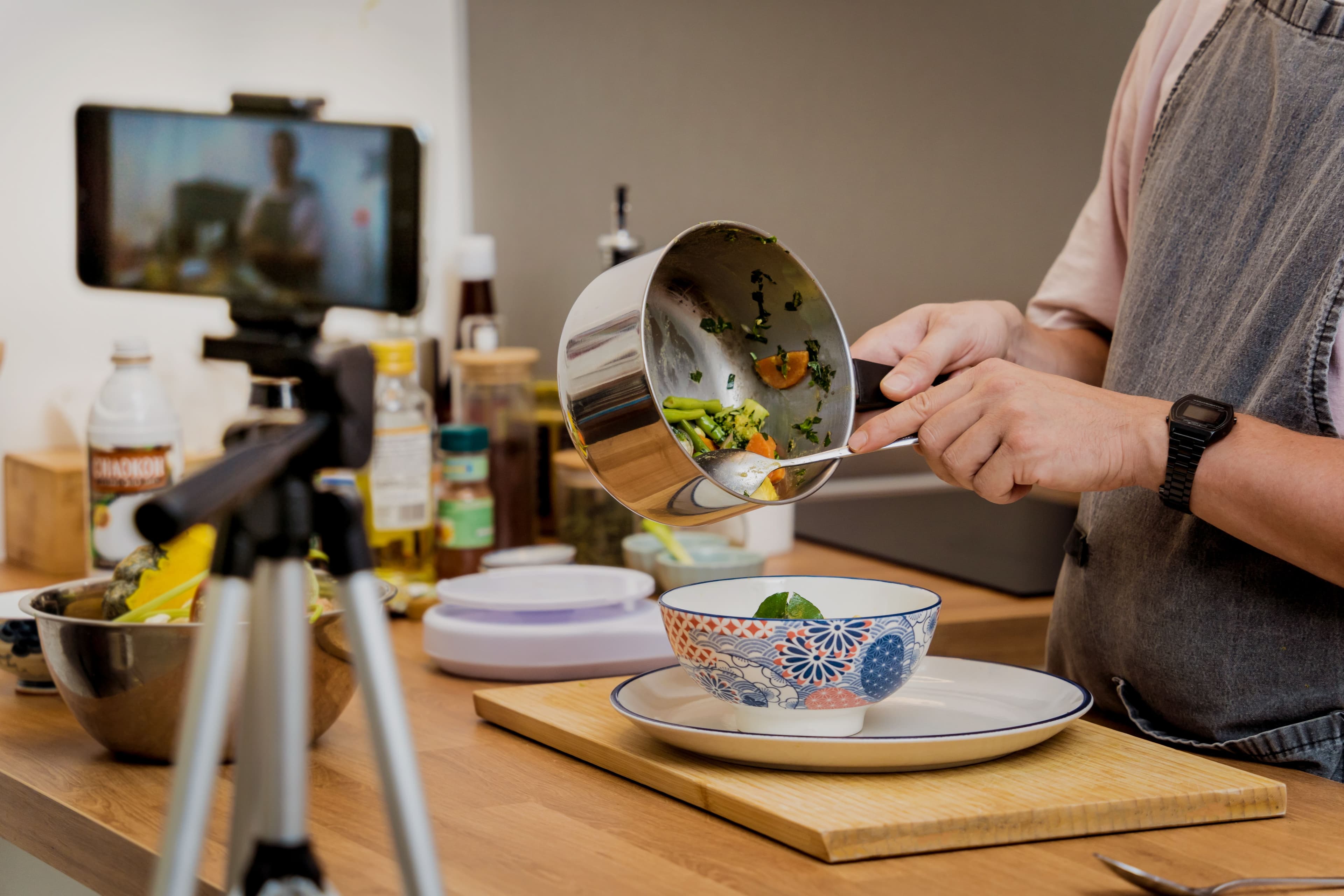
If you’re a food creator, you’ve probably seen this before. A brand reaches out with excitement, says they love your work, and then adds that they’ll send you their product for free if you share it with your audience. Sometimes they even highlight the “exposure” you’ll get, as though that should be payment enough.
On the surface, it sounds flattering. Your hard work gets visibility. Your name gets attached to something bigger. But let’s pause for a moment. Is it really free?
At first, you feel flattered. After all, it’s a compliment when a brand notices your recipes, your photography, or the way you connect with your audience. But then comes the line you’ve probably seen before: we’ll send you our product for free, and in return, you’ll share it with your audience. Sometimes they add that magic word, “exposure,” as if that alone should be enough.
The excitement quickly fades. Because exposure doesn’t pay your grocery bills, your electricity, or the hours you spent testing and refining that perfect dish.
This is the moment many creators face: “Do I say yes for the chance to work with a brand, or do I value my time and say no?”
✨ We at The Content Kitchen are already helping food and lifestyle creators learn how to balance authenticity, value their worth, and set respectful boundaries when brands reach out.

What brands often don’t see is the real cost of what they’re asking. To create even one recipe post, you’re buying ingredients, investing hours in prep, cooking, photographing, writing, editing, and sharing. That’s not “just content.” That’s skilled work. Your work.
And if you agree to do it for free, you’re saying this labor has no monetary value, when it absolutely does. That same recipe could have earned you ad revenue, affiliate clicks, or direct audience engagement if shared on the right platform.
The truth is, when creators give away recipes for free, they shoulder the cost while others often profit from it.
It takes courage to push back against “free” requests. But saying no is often the first step toward valuing your own work. By setting boundaries, you not only protect your effort, you also educate brands and audiences that recipes are worth something.
Instead of handing over content for free, try shifting the conversation. For example:
“I’m glad you love my recipe. I usually share my work through platforms where it benefits both me and my audience. If you’d like to collaborate, I’d be happy to share my media kit or discuss fair compensation.”
That kind of reply is professional, polite, and sets the right tone.
Every recipe holds more than instructions. It carries hours of effort, creativity, and a piece of your story. Giving that away for free might feel harmless in the moment, but it sets a precedent that your work does not deserve.
Updated on 08 Sept 2025
Save recipes from anywhere, and get answers, swaps, and help as you cook.


