We use cookies on this website to ensure its proper functioning and to improve the quality of our services. Cookie Policy
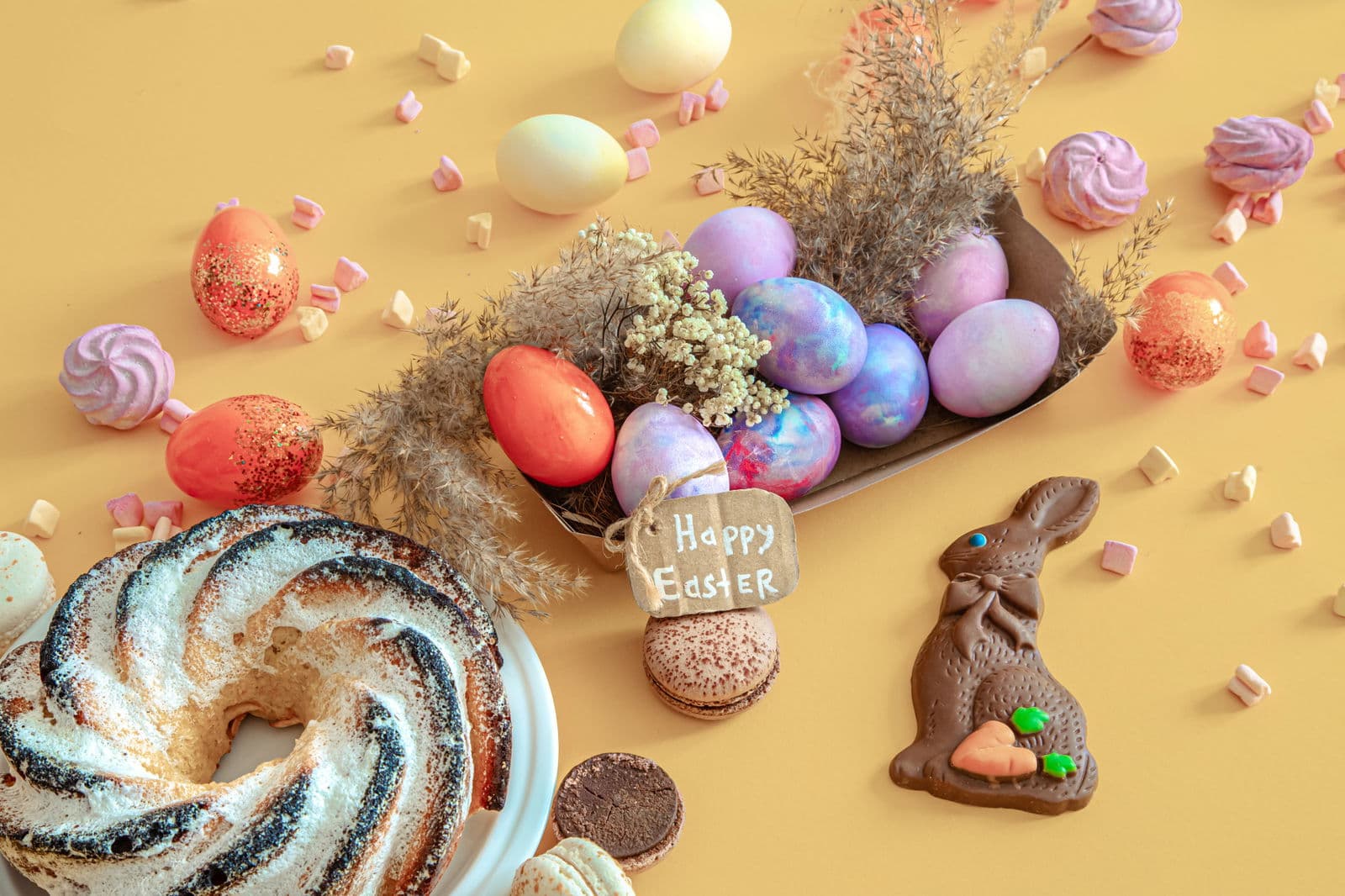
Easter is one of the biggest food holidays of the year. Whether your family does a big Sunday roast, a backyard brunch, or a simple dessert spread, food is at the heart of how most people celebrate. But have you ever wondered why ham became the go-to Easter protein? Or why eggs show up on the table AND in the garden?
Easter food traditions have deep roots, and once you understand them, the whole meal feels more meaningful. This guide breaks down everything you need to know, from the most traditional Easter food recipes to easy Easter day food ideas you can actually pull off this weekend.
The most traditional Easter foods are ham, lamb, eggs, and bread. These have been part of Easter celebrations for centuries, shaped by religion, history, and the season.
Ham is the most popular Easter main course in the United States. The reason is surprisingly practical. Before refrigeration, farmers would slaughter pigs in the fall and cure the meat through the winter. By spring, a cured ham was ready to eat, and Easter became the perfect occasion to break it out and celebrate the end of Lent. Today you'll see honey glazed ham, maple glazed ham, and spiral-cut ham all over American Easter tables.
Lamb has an even older history. It has been tied to Easter through both Jewish Passover traditions and Christian symbolism. Jesus is referred to as the Lamb of God, and eating lamb at Easter is a way of marking the sacrifice and resurrection at the center of the holiday. Roast leg of lamb with rosemary and garlic is the classic preparation. You can explore different ways to cook lamb leg and find the method that works best for your table.
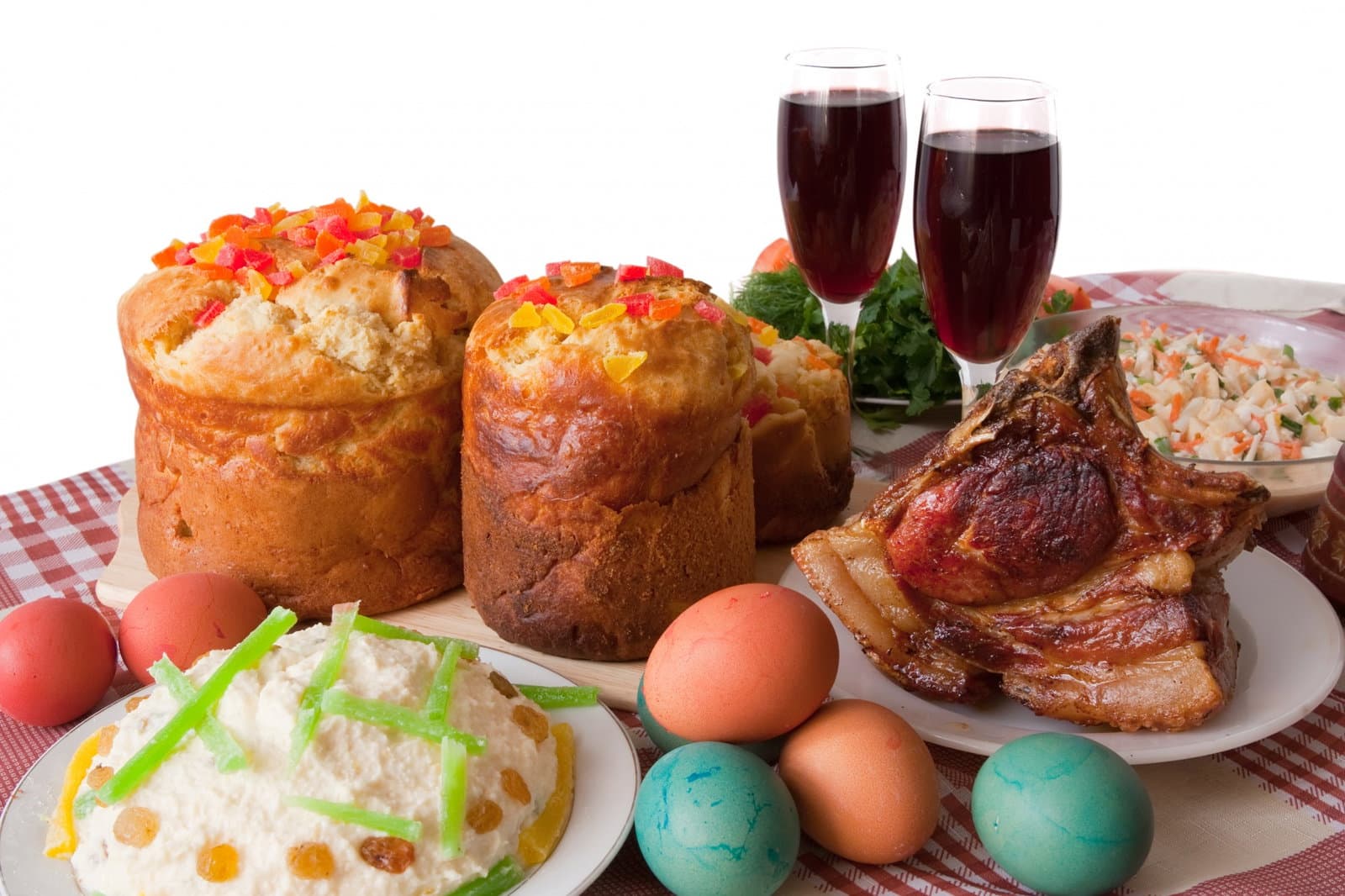
Eggs are another Easter staple with deep symbolic meaning. Historically, chickens laid fewer eggs in winter, so when spring arrived and egg production picked back up, there were suddenly eggs everywhere. Early Christians associated eggs with new life and resurrection. That is why we dye them, hunt them, and serve them at Easter brunch in the form of deviled eggs, frittatas, and egg casseroles.
Bread rounds out the traditional Easter table in almost every culture. Hot cross buns are the most iconic, with their spiced dough and the signature icing cross on top. They are traditionally eaten on Good Friday and have roots going back to medieval England. Braided Easter breads, sweet rolls, and dinner biscuits also appear at Easter tables across the country.
American Easter food is a blend of European traditions and regional customs. Most families center the meal around a protein, load up on comforting sides, and finish with something sweet.
The classic American Easter dinner looks something like this: a glazed ham or roast lamb as the main, with sides like scalloped potatoes, green bean casserole, roasted carrots, deviled eggs, and fresh dinner rolls. Dessert is usually carrot cake, a coconut cake, or something lemon-flavored to match the freshness of spring.
In the South, Easter meals lean heavier and heartier. You will often find mac and cheese, corn pudding, collard greens, and sweet potato casserole alongside the ham. In the Northeast, Italian-American families may serve Easter pie (pizza rustica), a savory pastry stuffed with cured meats and cheese. Greek and Mediterranean families lean into roast lamb, often with lemony potatoes and tzatziki. These regional Easter food traditions show how immigrant food culture has shaped what the holiday looks like across different American households.
One thing nearly all American Easter tables share: deviled eggs. They are quick, crowd-pleasing, and an easy way to use up hard-boiled eggs from the Easter egg hunt. They are the ultimate Easter day food idea for entertaining.
Easter side dishes are where the meal really comes alive. These are the dishes that get passed around the table, argued over, and requested by name every single year.
Scalloped or au gratin potatoes are a staple at Easter dinners across the country. Layers of thinly sliced potatoes, cream, and cheese baked until golden. They are rich, comforting, and go with everything.
Roasted asparagus is one of the most popular spring vegetables for Easter. Asparagus comes into season right around Easter time, which makes it a natural fit for the holiday table. Toss it with olive oil, salt, and lemon juice and roast at high heat for about 12 minutes.
Green bean casserole and sauteed green beans are also popular Easter sides. Green beans are versatile enough to go fancy (almonds, lemon butter, parmesan) or simple (garlic and olive oil). Either way, they round out a heavy plate.
Glazed carrots might be the most underrated Easter side. Sweet, buttery, and slightly caramelized, they are easy to make and feel seasonal. They also look beautiful on the table, which counts for something.
Fresh spring salads are increasingly popular as a lighter option. Think mixed greens with strawberries, candied walnuts, and a lemon vinaigrette, or a pea and mint salad with feta. These are especially good for Easter brunch when you want balance alongside richer dishes.
Deviled eggs deserve a mention here too. Classic deviled eggs made with mustard, mayo, and a dash of paprika are a crowd favorite. You can also make avocado deviled eggs or add bacon bits for a twist.
Beyond the main meal, Easter has a whole world of symbolic foods tied to the holiday's meaning.
Eggs are the defining Easter food symbol. They represent new life, rebirth, and the resurrection of Jesus. Dyeing eggs is a tradition that dates back centuries, with roots in Eastern Europe and early Christian communities. Chocolate eggs have been a part of Easter since the 1800s, when candy makers began molding chocolate into seasonal shapes.
The Easter bunny and chocolate go hand in hand in modern celebrations. Americans buy more candy at Easter than at any holiday except Halloween. Chocolate bunnies, jelly beans, Peeps, and foil-wrapped chocolate eggs are all part of the Easter candy tradition that families look forward to every year.
Hot cross buns are a food most closely associated with Good Friday, the Friday before Easter Sunday. The cross on top represents the crucifixion. The spiced dough and dried fruit inside make them feel warm and special, even if you eat them all week long.
Lamb holds deep symbolic meaning as mentioned earlier, which is why you will find it at Easter tables from the American Midwest to Greece, Italy, and the Middle East.
Pretzels are a lesser-known Easter food with Christian history. The word pretzel comes from a Latin word meaning "little arms," and the twisted shape is meant to represent arms folded in prayer. They were made from flour and water during Lent when dairy was off limits.
Easter desserts lean into spring flavors: carrot, lemon, coconut, and berries. Here are the ones that show up most on Easter tables.
Carrot cake is the quintessential Easter dessert, and for good reason. It is moist, spiced, and topped with cream cheese frosting, which makes it feel like a celebration. It also fits the Easter bunny theme, which makes kids love it even more.
If you want something simpler that still delivers all that carrot cake flavor, Carrot Cookies are a great option. They are delicious when topped with a creamy frosting, and easy enough to make the morning of Easter.
Lemon desserts are a spring favorite that feel fresh after a heavy meal. Lemon bars, lemon brownies, lemon cinnamon rolls and lemon cakes all work beautifully as Easter food desserts.
Simnel cake is a traditional British Easter fruitcake layered with marzipan. It is not commonly made in the US, but it has been part of Easter celebrations in the British Isles for centuries. The 11 marzipan balls on top represent the 12 disciples minus Judas.
Coconut cake is popular especially in the South, often decorated to look like a fluffy Easter lamb or nest.
Easter cookies and cupcakes decorated with pastel colors, Easter eggs, and spring flowers are popular for families with kids. They are simple to make and a fun activity to do together.
Not sure where to begin? Here is a simple Easter day food menu that covers all the bases without overwhelming you.
Main: Honey glazed ham or herb-roasted leg of lamb
Sides: Scalloped potatoes, roasted asparagus or green beans, glazed carrots, dinner rolls
Starters: Deviled eggs, a fresh spring salad
Dessert: Carrot cake, lemon bars, or coconut cake
The key is to choose one showstopper main, two or three simple sides, and a dessert you can make a day ahead. Most of these Easter food recipes can be prepped in advance, which makes Easter Sunday much more relaxed.
Q1. What is the most popular Easter food in America?
A1. Ham is the most popular Easter food in the U.S., followed by deviled eggs, scalloped potatoes, and carrot cake.
Q2. What do Christians traditionally eat on Easter Sunday?
A2. Many Christian families eat lamb as a symbolic dish, tied to Jesus being called the “Lamb of God.” Ham, eggs, and special breads are also common in Easter celebrations.
Q3. What are 5 Easter food traditions?
A3. Five popular Easter food traditions in the U.S. include serving glazed ham, eating deviled eggs, making carrot cake, baking hot cross buns, and filling Easter baskets with chocolate and candy.
Q4. What is a typical Easter dinner menu?
A4. A typical Easter dinner features a main dish like glazed ham or roast lamb, sides such as scalloped potatoes, green beans, and roasted carrots, and a dessert like carrot cake or lemon bars.
Q5. What do Southerners eat for Easter dinner?
A5. Southern-style Easter dinners often include ham, mac and cheese, corn pudding, collard greens, sweet potato casserole, deviled eggs, and coconut cake for dessert.
Q6. What is a good menu for an Easter potluck for a crowd?
A6. For a crowd, a practical Easter potluck menu includes spiral ham (easy to slice), a large potato casserole, deviled eggs, a green salad, dinner rolls, and a carrot cake or sheet cake. These dishes can be made ahead and travel well.
Q7. What food symbolizes Easter?
A7. Eggs symbolize new life and resurrection, while lamb represents sacrifice in the Christian faith. Foods like hot cross buns and chocolate bunnies are more modern symbols associated with Easter and the arrival of spring.
Updated on 18 Mar 2026
Save recipes from anywhere, and get answers, swaps, and help as you cook.

