We use cookies on this website to ensure its proper functioning and to improve the quality of our services. Cookie Policy
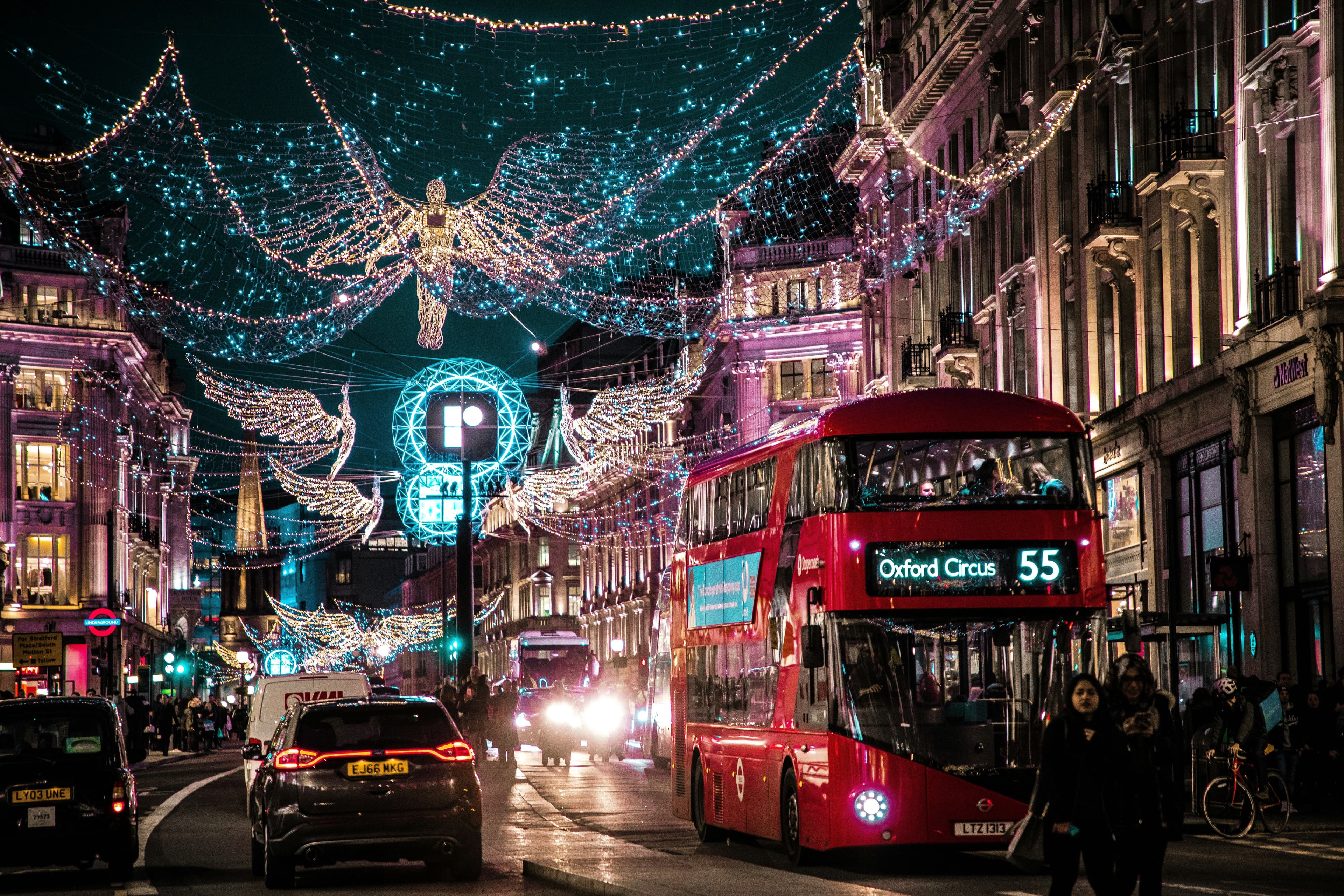
Christmas is a time of joy and togetherness, celebrated by many. Like most celebrations, food takes center stage at Christmas. Families come together to celebrate, and dishes are served to enjoy together. However, as united as we all are with this festival worldwide, almost every culture has its traditions for this occasion. So let’s explore the beauty of Christmas and understand How Christmas Celebrations Differ Around the World: Food Edition.
Yes, Christmas is celebrated differently around the globe, with slight variations due to cultural heritage, religious practices, and local ingredients. While the main elements of the holiday remain the same (every kid waits for Santa's gifts, after all), people have added their personal touch to the celebration. In some countries, Christmas is celebrated as a specifically Christian holiday; in others, it is more of a secular festival. Despite all variations, food remains an integral part of this joyous occasion.
United by joy, divided by flavours, let's explore how countries customise Christmas to celebrate this global festival while staying true to their local traditions.
Christmas feasts in Denmark are incomplete without Julesild herring or pickled fish. Herring is a type of fish that is a staple in Denmark eaten year long, but when Christmas rolls around, it is served as a pickle spiced with cinnamon, cloves and sandalwood. Best paired with a slice of Danish rye bread named rugbrød. Julesild is accompanied by flæskesteg (roast pork) or duck served with caramelised potatoes and red cabbage. Another dish that is a must-feature on Denmark’s Christmas feast is the risalamande, a creamy rice pudding with a hidden almond. This brings a fun tradition to the table, where the finder of the almond wins a small prize.
For almost 500 years, Goa was a Portuguese colony. Its Portuguese roots are visible in its Christmas delicacies as well. A Goan Christmas feast would include roast turkey or chicken, pork or chicken vindaloo, beef roulade, pulao, sorpotel, pork roast, cake prepared with toddy and Portuguese bread or pav.
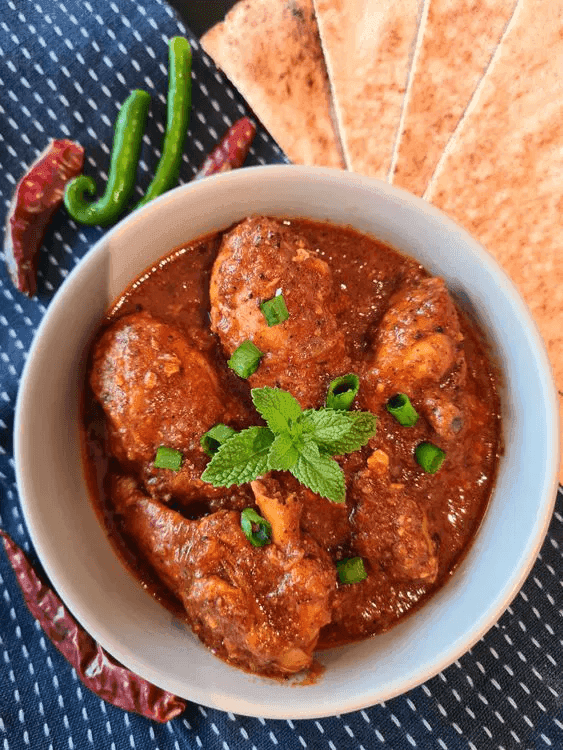
Chicken Vindaloo is a descendant of the Portuguese dish vinha d’alhos, adapted with Indian spices to create the flavorful version enjoyed today.
Click here for the recipe for Chicken Vindaloo
Poland celebrates Christmas Eve with a meat-free dinner called kolacja wigilijna. The feast contains opłatek, a wafer baked from wheat flour and water, barszcz czerwony or beetroot soup, pierogi or dumplings with mushroom or cabbage filling, sałatka śledziowa or herring salad, and sałatka jarzynowa or cooked vegetable salad with mayonnaise dressing. Desserts include noodles with poppy seeds, honey, nuts, dry fruits, gingerbread cookies, cheesecake, and gingerbread sponge chocolate layer cake.
In the Philippines, the Christmas feast starts with the Putong Bumbong, a colourful Filipino rice cake, and Bibingka, a soft, fluffy cake. The dinner would also include a roasted pig, ham, fruit salad, steamed rice, and many drinks. These festive dishes highlight the Filipino love for communal feasting and vibrant flavours.
A traditional Sicilian Christmas consists of a diverse menu with vegetables, fish, meat, and cheese—dishes like fried calamari, shrimp, salted cod, eggplant caponata, and battered broccoli adorn the dining table. For dessert, Buccellato, a ring-shaped pastry filled with figs and nuts, is served, symbolising prosperity.
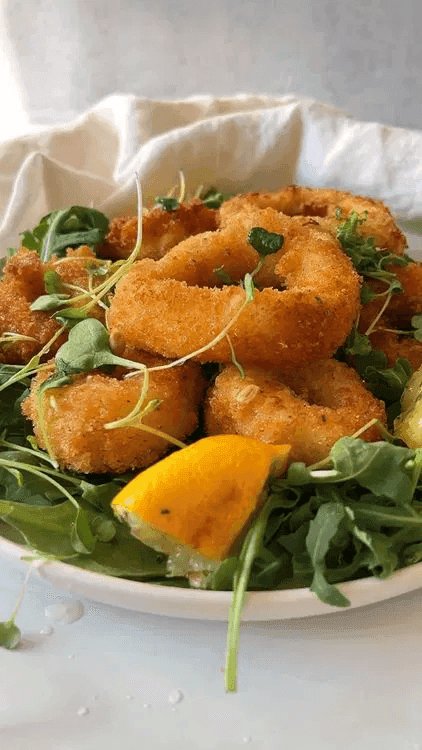
Calamari or other kinds of seafood are included in the Christmas feast to honour the Catholic tradition of abstaining from meat on this holy night.
Click here for the recipe for Fried Calamari
Finnish Christmas meals feature hearty dishes like Lanttulaatikko or rutabaga casserole and glazed ham. Joulutorttu, a pastry filled with plum jam, heads the dessert department. The essence of Finnish Christmas is incomplete without a gingerbread cookie soaked in the scent of cinnamon and nutmeg.
Mexican Christmas is a melting pot of vibrant colours and strong flavours. Tamales, made with meats, cheeses, or sweets wrapped in corn husks or banana leaves and steamed, are central to the celebration. The holiday tables lay out a spread consisting of bacalao, or dried salted codfish, Pozole, or pork or chicken seasoned with chile and garlic; traditional roasted turkey, buñuelos, or a sweet fritter; and sometimes Rosca de Reyes, a sweet baked treat.
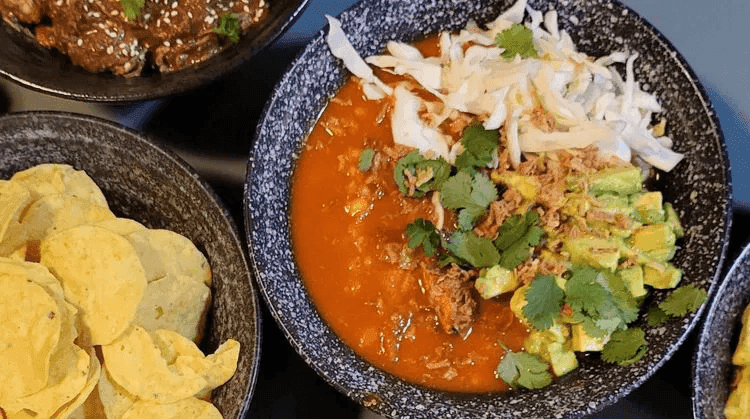
Pozole is often served on Christmas Eve after Misa de Gallo (Midnight Mass) in Mexico.
Click here for the recipe for Pork Pozole
In Spain, Christmas dinner often features some kind of stew, soup, or broth, the classic rotisserie meat, and oven-baked fish, accompanied by a wide variety of rich cheeses, preserves, and pickles. Desserts like different types of nougat, cookies, and epiphany cake complete the feast.
In Puerto Rico, the Christmas feast consists of Arroz con Gandules or rice and Pigeon peas, Roasted Pernil, which is roasted pork, Tembleque or coconut pudding and gazpacho, a codfish salad consisting of salt cod, tomatoes, onion, and avocado.
Norway’s Christmas feast is incomplete without Ribbe, a pork belly dish seasoned with salt, pepper and bay leaves traditionally served with red cabbage, sausages, and prunes. Pinnekjøtt, a steamed and cured lamb ribs served with potatoes and sour cream, is another traditional Norwegian Christmas dish. This joyous feast is completed with sweet delicacies like Riskrem and Kransekake.
In Venezuela, the Pan de Jamón, a sweet and savoury bread filled with ham, raisins, and olives, and the Hallacas, made with a mixture of beef, pork, chicken, capers, raisins, and olives wrapped in maize and plantain leaves and tied up with string into a parcel and then boiled or steamed afterwards, are the holiday favourites.
South Africans celebrate this occasion with roast lamb, minced pie, turkey, duck, roast beef, or suckling pig with yellow rice, raisins, and vegetables. However, no South African Christmas is complete without the iconic dessert malva pudding, a sweet and spongy treat served with custard.
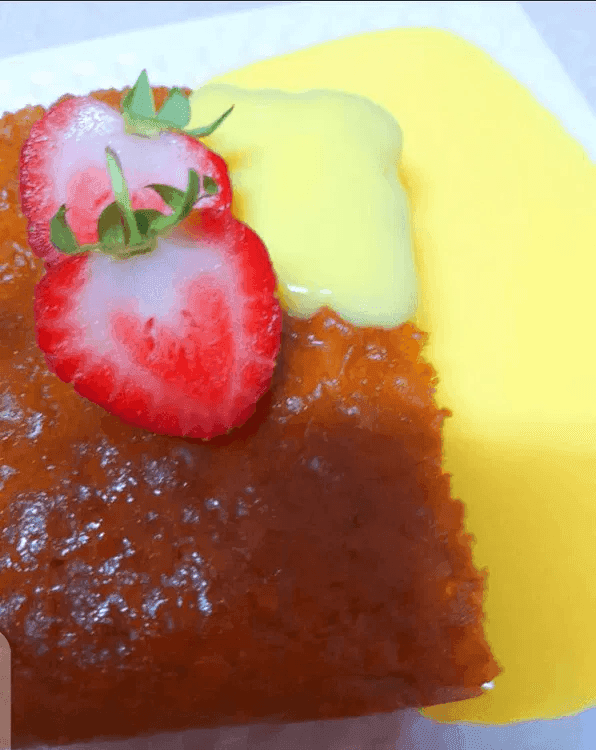
In South Africa, Christmas is celebrated during summer, making the sweet and spongy Malva Pudding a comforting end to holiday feasts under the summer sun.
Click here for the recipe for Malva Pudding
German Christmas tables are laid out with Weihnachtsgans, or traditional roasted goose, red cabbage, the classic German potato salad and dumplings—desserts like lebkuchen or gingerbread.
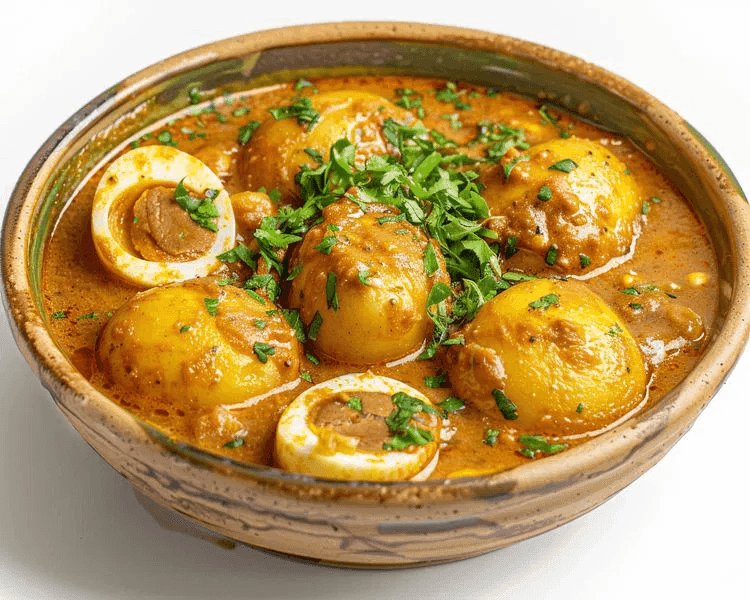
Ethiopia celebrates Christmas on January 7th instead of December 25th. During the forty-three days before Christmas, people participate in a special fast known as the 'Fast of the Prophets'. In Ethiopia, Christmas, or Genna, is celebrated with wat, a spicy chicken stew served with injera, a sourdough flatbread.
Fun Fact. In rural Ethiopia, a game similar to field hockey called genna is played as a Christmas tradition.
Click here for the recipe for Doro Wat
In Brazil, Christmas meals include turkey or Chester, stuffed or otherwise roasted in onion, garlic, butter, parsley, and white wine seasoning. Chester is a type of chicken that is meaty on the chest and thigh and has more proteins and less fat. Other Christmas delicacies include Pernil or roasted pork, Tender Natalino or Christmas ham, Salpicão or Chicken salad, Salada de maionese or potato salad, white and desserts like Panettone, an Italian Christmas bread originally from Milan and Brazilian rabanada, Brazil’s version of French toast.
The UK’s traditional Christmas dinner features roast turkey, stuffing, and roasted vegetables. Pigs in blankets, Christmas pudding, mince pies, and mulled wine are essential to the celebration.
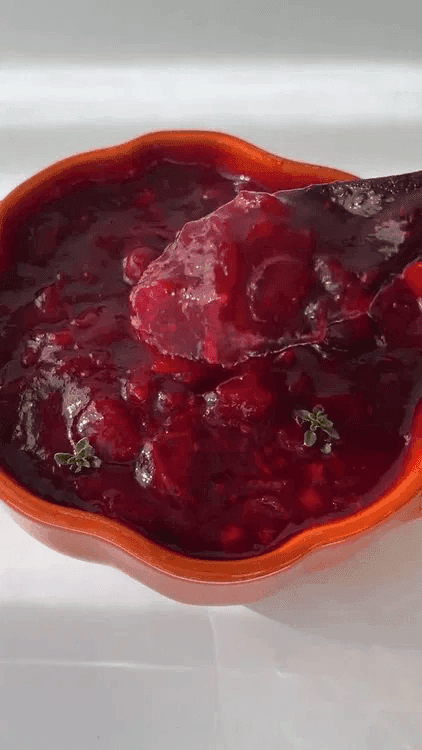
Canadian Christmas meals often feature roasted turkey, mashed potatoes, Brussels Sprouts, Mince pie, cranberry sauce, gingerbread and butter tarts. Christmas in Canada calls for several drinks and beverages, including mulled wine, eggnog, apple cider and of course, hot chocolate.
Did you know? Canada has a Santa Letter program, where children can send letters to Santa through Canada Post and receive a reply before Christmas.
Click here for the recipe for Cranberry sauce
A traditional Australian Christmas table features slow-roasted turkey, glazed Christmas ham, a lot of seafood, and a good barbeque spread. Christmas in Australia calls for many outdoor barbeques and is mainly celebrated over lunch rather than dinner. New Zealand is no different, with barbeque lunches being more popular than indoor dinners. The Christmas spread of New Zealand includes lamb, ham, potatoes, sweet potatoes and various salads Australia and New Zealand experience summer during December, unlike the northern countries where Christmas hails from. So naturally, their style of celebration vastly differs from others.
A Swedish Christmas calls for a smorgasbord, a self-service meal offering many foods and dishes. Classic dishes like Christmas ham, pork sausage, potatoes, home-made liver pâté, an egg and anchovy mixture (gubbröra), herring salad, pickled herring, wort-flavoured rye bread (vörtbröd), a special fish dish, lutfisk adorn the Christmas table while desserts like Ris ala Malta, a sweet cold rice porridge and Marzipan complete the supper.
In Japan, Christmas is celebrated differently than most of the world. While traditional Christmas stands for festive lights, Christmas trees, and family time, Japanese Christmas has become a romantic couple holiday. So, the conventional Christmas spread is replaced with Kentucky fried chicken, thanks to a clever KFC campaign in 1970. Pizza, potato salads, and Christmas cake are a modern holiday tradition.
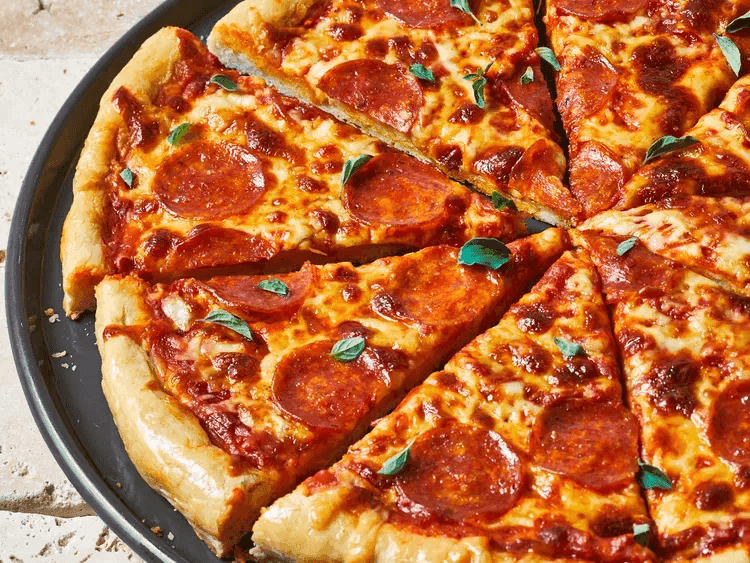
In Japan, Christmas Eve is celebrated more like Valentine’s Day. It’s a romantic occasion where couples exchange gifts, go out for fancy dinners, and enjoy the city’s stunning illuminations.
Click here for the recipe for Pizza
In Ireland, Christmas dinner includes roast turkey or goose, spiced beef, roasted potatoes, and Brussels sprouts. Traditional desserts include Christmas pudding and mince pies filled with spiced nuts and dried fruits.
Christian communities in Israel celebrate with Mediterranean-inspired dishes like Qidreh, an oven-cooked lamb and rice dish; hummus, roasted turkey seasoned with pepper, cinnamon, and nutmeg and stuffed with rice and almonds; and baklava. These meals often blend local flavours with holiday traditions.
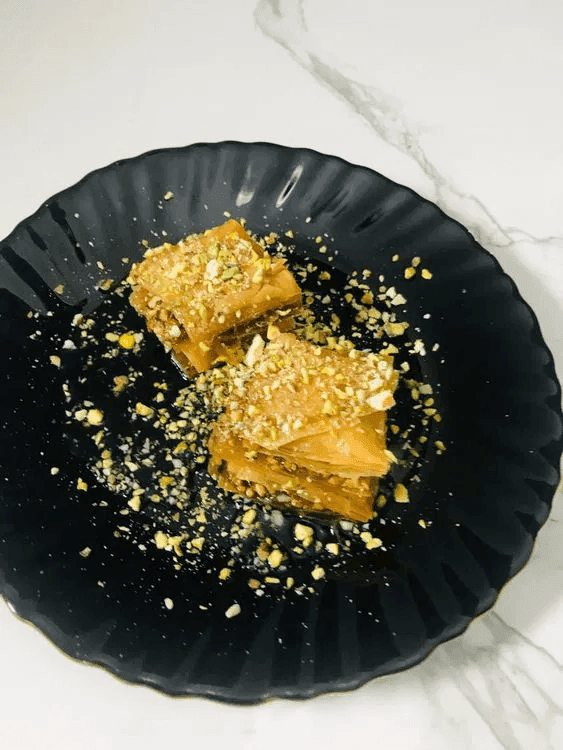
Pistachio Baklava is a staple dish in Hanukkah celebrations.
Click here for the recipe for Pistachio Baklava
In South Korea, Christmas is celebrated more as a festive holiday than a deeply religious occasion. However, food still plays a central role. South Korea adorns its Christmas table with sweet potato noodles, tteok guk, a rice cake filled with meat or seafood and served with clear broth, and, of course, kimchi. A Christmas cake, typically a light, fluffy sponge cake adorned with whipped cream and fruits, completes the feast.
In Nigeria, Christmas meals are vibrant and flavorful, reflecting the country’s rich culinary diversity. No Nigerian Christmas is complete without Jollof rice accompanied by fried chicken, fried rice, pounded yam, and pepper soup.
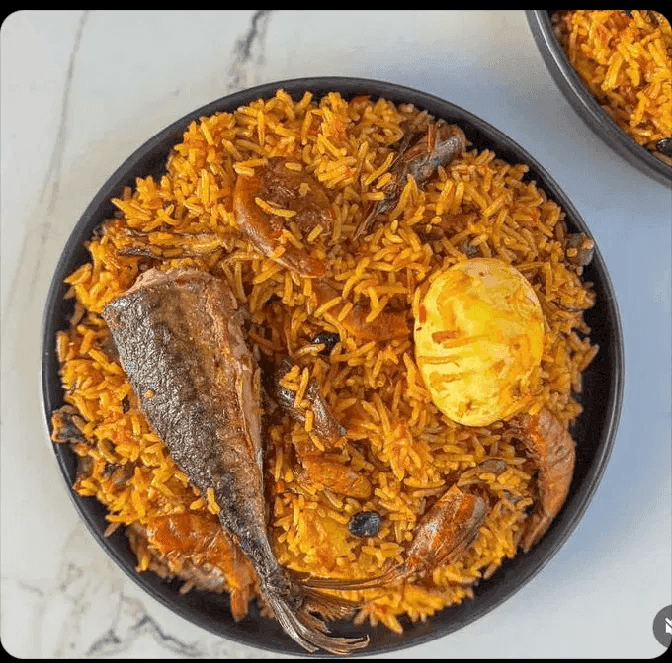
Nigerian Christmas often features masquerades and street parades, where performers dressed as colorful spirits entertain crowds with dancing and drumming.
Click here for the recipe for Jollof Rice
A Swiss Christmas dinner features ham, potatoes baked in milk and cheese, and, most importantly, fondue, a pot of melted cheese in which bread is dipped. For dessert, walnut cake and cookies are served.
And that was the list. Phew! Exploring how different countries celebrate Christmas with food is one of those things that makes you realize how similar we are despite our differences. At the end of the day, a festival for anybody has the same meaning: a time to spend with their loved ones. With that said, we wrap up the Christmas Celebrations Around the World: Food Edition. A very Merry Christmas and Bon appétit to you!
Updated on 24 Jul 2025
Save recipes from anywhere, and get answers, swaps, and help as you cook.

