We use cookies on this website to ensure its proper functioning and to improve the quality of our services. Cookie Policy

Food poisoning is an unpleasant and distressing condition caused by consuming contaminated edibles and beverages. It is a type of foodborne illness that causes symptoms like an upset stomach, nausea, diarrhoea, and vomiting.
However, it is a common belief that diarrhoea and vomiting are the only symptoms of food poisoning. Many people still have one question: Can food poisoning cause fever? The answer is yes. In this article, we will uncover the connection between food poisoning and fever, understand why it happens, and explore effective ways to manage it.
Food poisoning is a foodborne illness that occurs when you consume food contaminated with a toxic organism, like a bacteria, virus, fungus, or parasite. Your body’s reaction to ridding these toxins away takes the form of diarrhoea and vomiting. It usually takes less than two days for your body to completely flush out these contaminants and return back to normal.
There are more than two hundred types of food poisoning, but here are some of the most common causes. These include bacteria such as Salmonella, E. coli, and Listeria and Viruses such as Norovirus and Hepatitis A. Other common substances that are harmful and can lead to food poisoning include Parasites, Fungi, Toxins, and Chemicals.
Food poisoning isn't a severe issue unless you have a weak immune system that is incapable of fighting the infection. So, kids under the age of five and women who are pregnant are naturally at risk of severe symptoms of the illness as their immune systems are vulnerable. Apart from them, people who have chronic conditions that weaken their immunity, like cancer, are also at high risk of getting a more severe form of this infection.
Did you know? According to the World Health Organization (WHO), an estimated 600 million, that is almost 1 in 10 people in the world, fall ill after eating contaminated food and 420 000 die every year.
The most common food poisoning symptoms include Diarrhea, which happens due to the inflammation caused by these toxins weakening your bowel. People suffering from food poisoning often end up vomiting, as it's the body’s way to quickly get rid of the toxins. Naturally, people experience nausea before they vomit. You might experience stomach pain and cramping. This is because when the harmful toxins reach your stomach, they irritate the stomach lining, and when your stomach muscle tries to fight this, the discomfort increases. The dehydration and nauseating fever combined with fatigue also lead to headaches. And as your body experiences such draining repercussions, you start feeling weakness. This is your body’s way of asking you for rest. Lastly, one of the symptoms of food poisoning is fever.
The science behind food poisoning and fever is actually quite simple. A fever is part of your body’s natural defence against infection. When harmful agents from contaminated food invade the body, the immune system reacts by releasing pyrogens. These chemicals signal the brain to raise the body’s temperature by making it believe you are colder than you really are. As the brain processes this signal, it boosts the activity of white blood cells. As these cells are activated, they recognise the infection and fight it. This is why food poisoning with fever happens.
Yes, food poisoning can cause fever in babies and kids. Infants, especially, are more at risk of facing harsh reactions to these infections due to their immature immune systems.

Signs of dehydration in kids include dry mouth, reduced urination, sunken eyes, and lethargy, requiring immediate attention.
It is crucial to pay close attention when your young one is down with food poisoning, as they can face rapid dehydration. As their bodies are small and hold comparatively less water and fluid, to begin with, this dehydration can lead to severe complications.
There are several factors that can lead to food contamination. Lack of hygiene is one of the most common causes. Unwashed hands, dirty utensils, or cross-contamination between raw and cooked foods often lead to the food getting contaminated. Poor storage practices are another common cause of food poisoning. If you want to understand the correct method to store your food to avoid getting foodborne diseases, refer to this article: Are you storing your leftovers right? Uncovering the reality behind Refrigerated food.
Mishandling of raw ingredients can also call for food poisoning. Unwashed vegetables, especially leafy green ones, are at high risk of carrying bacteria like E.Coli. Poultry items like raw eggs and chicken are at high risk of contamination, and dairy products like unpasteurised milk can also lead to food poisoning.
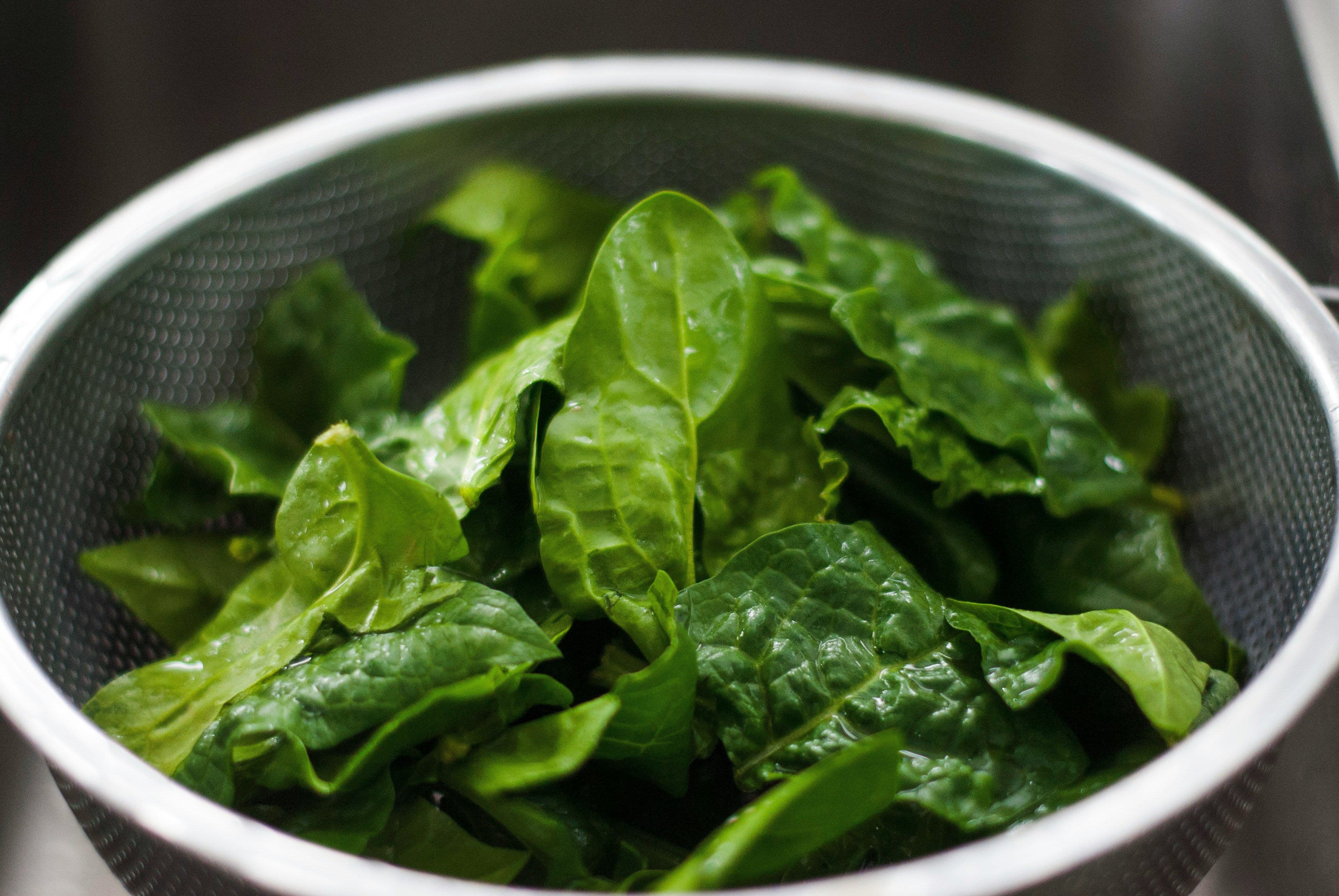
A healthy vegetable like spinach is also harmful when not washed properly as it can easily get contaminated with harmful bacteria like E.Coli through pesticides, fertilisers, or irrigation water, which can cause a toxic reaction.
The easiest way to avoid food poisoning is by ensuring everything you consume is safe and clean. Pay special attention to cleanliness while handling your food. Make sure to wash the raw ingredients thoroughly. Use clean water for washing, boiling and cooking. Also ensure your hands and the utensils you are about to use are sanitary. Make sure to wash and disinfect your hands and utensils.
Most people, even the careful ones often miss considering the cleanliness of the surface they place their food on like cutting boards, countertops. Remember, just because they “look clean” doesn't mean they are germ free and safe to use. Be sure to disinfect these items before cooking.
Avoid unadvised refrigerator practices as cross-contamination is one of the leading causes of food poisoning. Separate the poultry items from the vegetables and leftovers. Also, make sure to heat up your leftovers all the way through after taking it out of the refrigerator. Proper heating is essential to destroy any germs and bacteria that might have developed despite precautions. Make sure to cook or heat your meats, eggs and milk properly.
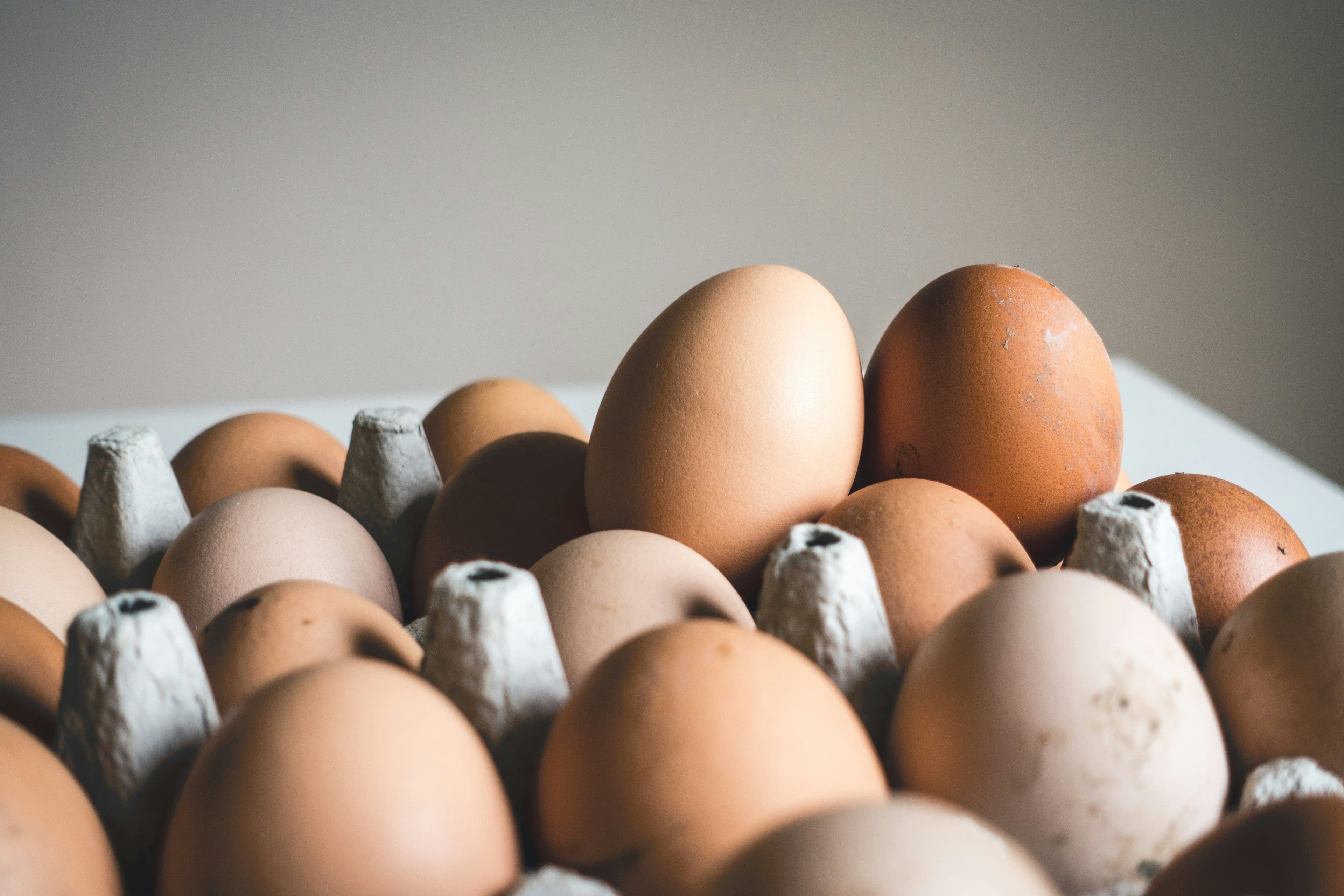
Eggs are a common source of foodborne illnesses due to potential contamination with Salmonella bacteria, which can be present on the eggshell or inside the egg.
The first thing that you need to take care of when dealing with food poisoning is dehydration. The vomiting and diarrhoea leads to rapid dehydration. So, you need to make sure you maintain your body’s water levels. However, do not rush to it. Once the symptoms start to show, give it a few hours to flush out the toxins before eating or drinking. After a few hours, when you begin to feel fatigue and weakness, start drinking small amounts of water or some kind of rehydration solution.
When recovering from food poisoning, make sure to avoid caffeine, dairy products, carbonated beverages, fatty food, overly sweet food or alcohol. Caffeine, carbonated beverages and alcohol are dehydrating drinks that do not help the situation. Dairy products and fatty foods are harder to digest and can put a strain on your recovering digestive system.

Coffee can irritate the stomach lining, worsen nausea, and cause acid reflux or stomach cramps, delaying recovery.
Food poisoning always leads to fever. Myth. Fever is a common symptom but not guaranteed one.
**Leftovers placed in the refrigerator are safe to eat whenever you take them out. Myth.**Unless the leftovers are properly reheated upon taking out, they can harbour harmful bacteria that can lead to foodborne disease.
Only meat and dairy products cause food poisoning. Myth. Fruits, vegetables, and grains can also be contaminated if not handled properly.
Vomiting is not necessary to diagnose food poisoning. Fact. Some cases involve only diarrhoea or fever without vomiting.
**Washing raw meat isn’t enough to remove all the bacteria. Fact.**In fact, it can sometimes contaminate other ingredients lying nearby. The safest way to ensure the meat is not contaminated is by cooking it properly.
So, to sum it up, food poisoning can cause fever, but unless the temperature is beyond 102 degrees, you can take measures to recover at home. When in recovery, avoid complicated flavours and stick to easily digestible, bland foods like bananas, rice, and toast, and make sure to slowly but consistently take plenty of fluids to stay hydrated. Avoid caffeine, dairy, carbonated beverages, fatty foods, sugary items, and alcohol, as they might irritate your digestive system further. Take extra care and close watch if a child, a pregnant woman or someone with weakened immunity catches food poisoning. If you are not sure how to help them, do not overthink it and rush them to the hospital. That was our analysis of Can food poisoning cause fever? We hope this article helped you out!
Updated on 24 Jul 2025

Save recipes from anywhere, and get answers, swaps, and help as you cook.

