We use cookies on this website to ensure its proper functioning and to improve the quality of our services. Cookie Policy

In recent years, alternative protein has made it to the news more than once. From health-conscious consumers, vegans, environmental advocates, and fitness fans to innovative food companies, it has managed to steal everyone’s attention at least once. While some see it as the future of the modern diet, many debate its ability to hold itself in the market. So, what is alternative protein? Why does it matter? And should we care? Let’s dive deep and find out.
Alternative protein is any protein that acts as an alternative to the traditional animal meat protein. This umbrella term includes plant-based proteins like soy, nuts, and grains and cultivated meat, which is lab-grown meat. Alternative protein came to rise as the vegan culture was boosted. Another cause for this rise was the growth of health consciousness among people, which led them to recognise that traditional meat protein sources also came with a lot of health concerns.
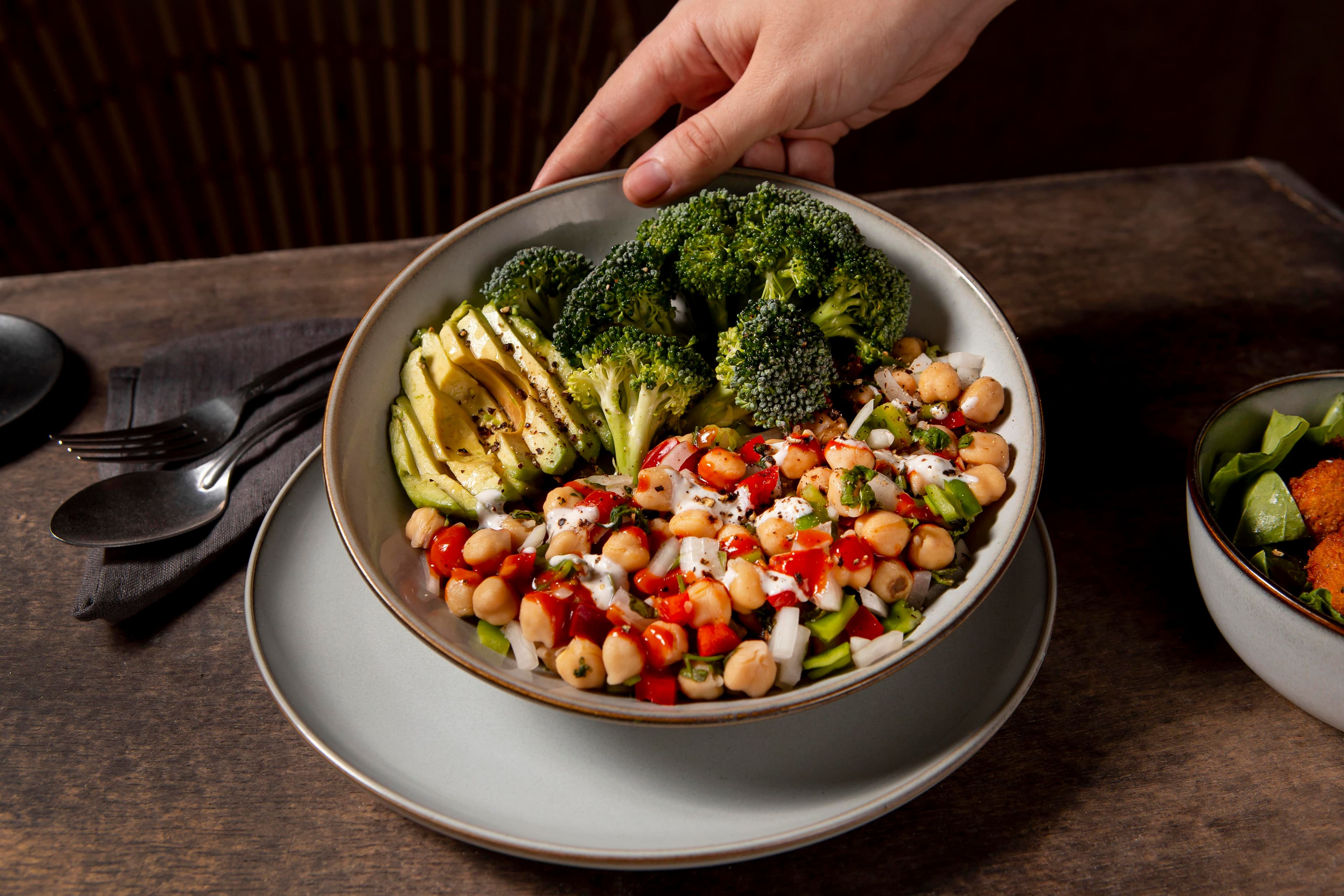
A balanced mix of protein sources including legumes and eggs — great for alternative protein diets
In an attempt to switch to a healthier protein source, they discovered alternative proteins. Alternative protein is a solution to meet the global protein demand without farming and slaughtering livestock and the environmental toll associated with it. Conventional meat protein also contributes significantly to greenhouse gas emissions and land degradation, whereas most of these sustainable protein options require fewer natural resources and produce less pollution.
Alternative protein comes with a range of benefits. Starting with the health benefits, most plant-based proteins are comparatively extremely low in fat and cholesterol. They come with the same benefits of protein, minus the negatives. These are also great in weight management, as their fat and cholesterol levels are low, but also because there are several High-fiber and nutrient-dense meat alternatives out there. Fibre, as we know, helps make us feel full for longer, helping control our cravings. And, of course, most importantly, these sustainable protein options help reduce deforestation, water use, and carbon emissions and contribute to maintaining environmental sustainability while facilitating ethical eating.
There are several options for alternative protein to meat, starting from legumes like Lentils, chickpeas, and black beans that are high in protein and rich in fibre. Soy products like Tofu, tempeh, and edamame are already quite popular as a plant-based protein. In recent years, a new technology has facilitated the cultivation of meat in labs that also serve as an alternative protein to its traditional counterparts.
Cultivated meat is lab-grown meat. It is real meat produced in a lab by taking an animal cell and giving it the environment suitable for growth. The idea behind this was to eliminate the need to raise and slaughter animals. It allows ethical eating and is an alternative to the animal cruelty that takes place to extract meat.
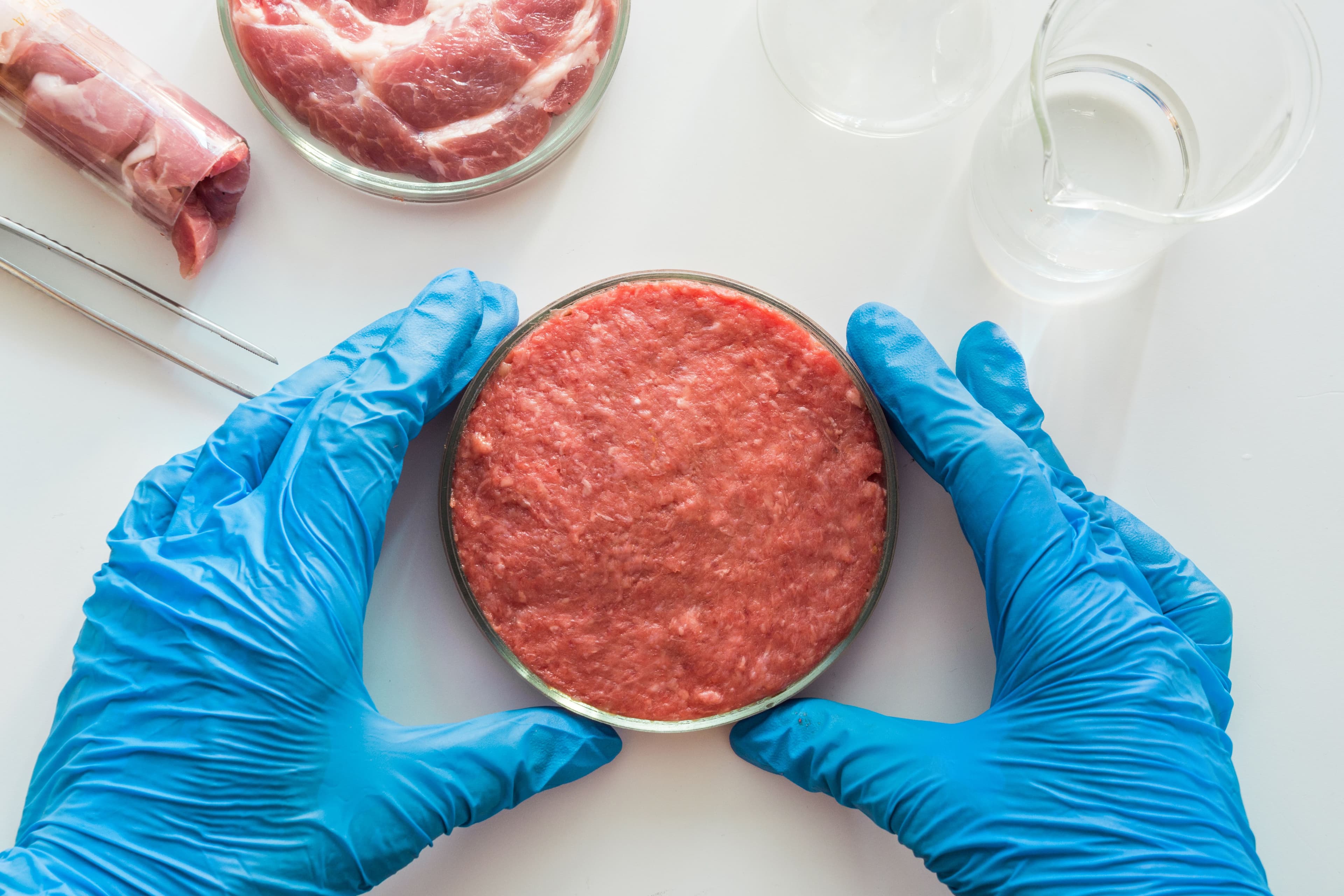
Cultivated meat is at the forefront of alternative protein innovation, offering a sustainable path that doesn't involve animal cruelty
The process of creating cultivated meat starts with harvesting animal cells and then providing nutrients and a growth medium to it before finally helping it grow tissues. Imagine this: a scientist takes one tiny cell from a live chicken without killing it, of course. Then, this cell is placed in a clean, high-tech environment and is fed nutrients. Over time, this cell multiplies to become a tissue and eventually turns into real chicken meat inside a bioreactor — a special chamber that mimics the natural growth process.
This is easily one of the most debated questions of recent times regarding alternative proteins. Now, here’s the thing: for the people who are vegan because they are against animal cruelty, this cultivated meat is perfect as a protein replacement, as no animal was harmed in the process. However, if someone is a vegan because they simply don’t want to consume meat, it's complicated because, technically, it is meat, but at the same time, it's not. A good question to ask is if cultivated meat is a plant-based protein, the answer to which is no, it's not. So, if one does decide to consume cultivated meat, one must know it doesn't fit the strict vegan label. In the end, it’s a personal decision and a dilemma for some trying to comprehend this sustainable protein revolution.

A sweet and satisfying oatmeal bowl with granola and nuts — loaded with protein
Vegetarians have dealt with the protein question since way before vegans faced it. Naturally they have already found some creative answers to this. Plant-based proteins are a great replacement for meat proteins. From a complete protein grain like quinoa, to cottage cheese and greek yogurt and chia seeds, vegetarians have found themselves several protein options. Although these plant based proteins fall short when compared to meat protein, strategizing your diet to maximize protein consumption can really help.
Absolutely! There is no doubt that these alternative protein options are beneficial. Not only do these help reduce animal farming and cruelty but also encourage a more thoughtful food system. Moreover, these alternative protein options support muscle growth and repair, just like animal protein while providing essential nutrients like iron, and fiber. Protein definitely keeps you healthy, but alternative protein keeps you and the planet healthy.
Want to read about Protein-packed meals for muscle building? Click Here.
Here are a few Alternative Protein Recipes for Breakfast to start your day with a boost.

Tofu scramble avocado toast delivers a flavorful punch of alternative protein to power your morning.
Packed with plant-based protein, this flavourful High-Protein Tofu Scramble with toast is the perfect way to start your day. You can even add veggies and spices of your choice to make your version of the dish. Here is the recipe for High-Protein Tofu Scramble with toast.
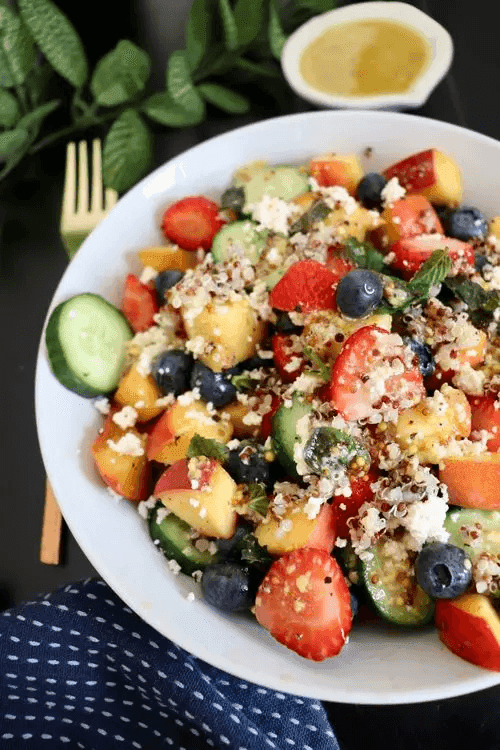
Quinoa teams up with summer berries and peaches for a refreshing, high‑protein alternative to traditional breakfast oats.
If you want to start your day with something sweet and high-protein, this Berry Peach Quinoa Salad is perfect for you! Its refreshing, its juicy, its sweet and while it will give you that protein, it is a light breakfast to keep to chirpy in the early hours of your day. Here is the recipe for Berry Peach Quinoa Salad.
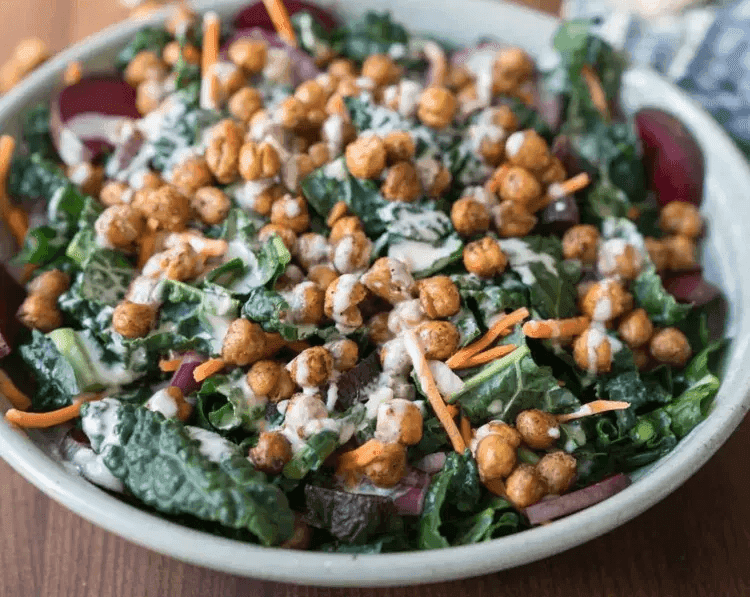
Crunchy roasted chickpeas turn this kale bowl into a satisfying, plant‑based alternative‑protein breakfast.
For fans of crunchy, creamy salads, this Roasted Chickpea and Beet Salad with Tahini Dressing will deliver! This breakfast is both rich in taste and texture. Here is the recipe for Roasted Chickpea and Beet Salad with Tahini Dressing.
For more such recipes, head to Cheafadora homepage.
Want to know exactly what you’re eating? Just add '/nutritionalData' to any Chefadora recipe url and see the complete nutritional profile of that recipe. To give you an idea, here is the nutritional profile of the Roasted Chickpea and Beet Salad with Tahini Dressing recipe mentioned above: Nutritional profile.
Alternative protein isn’t just a trend. It’s a way to eat smarter and live lighter. Whether you’re going plant-based for your health, the animals, or the environment, you’ve got more choices than ever. So why not give it a try?
Updated on 24 Jul 2025

Save recipes from anywhere, and get answers, swaps, and help as you cook.

