We use cookies on this website to ensure its proper functioning and to improve the quality of our services. Cookie Policy
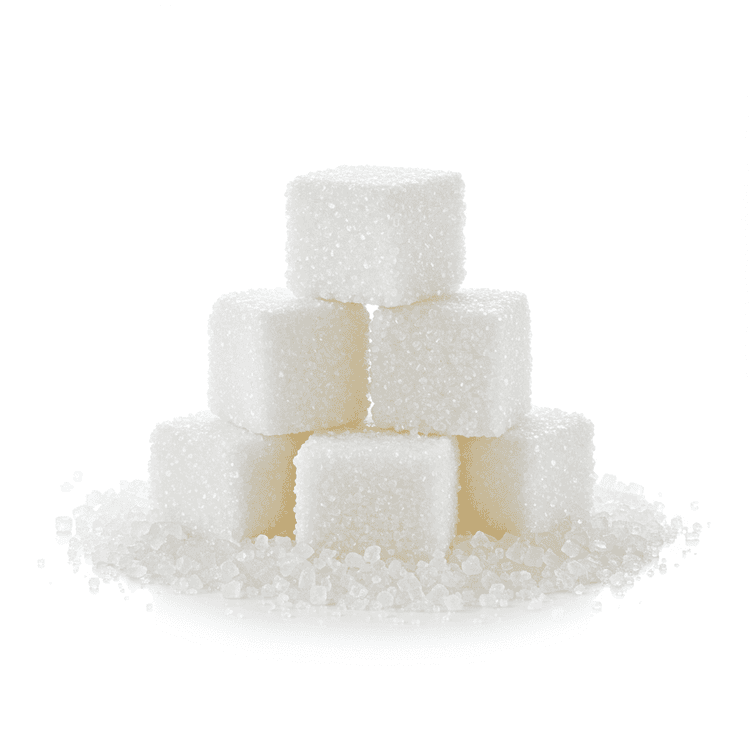
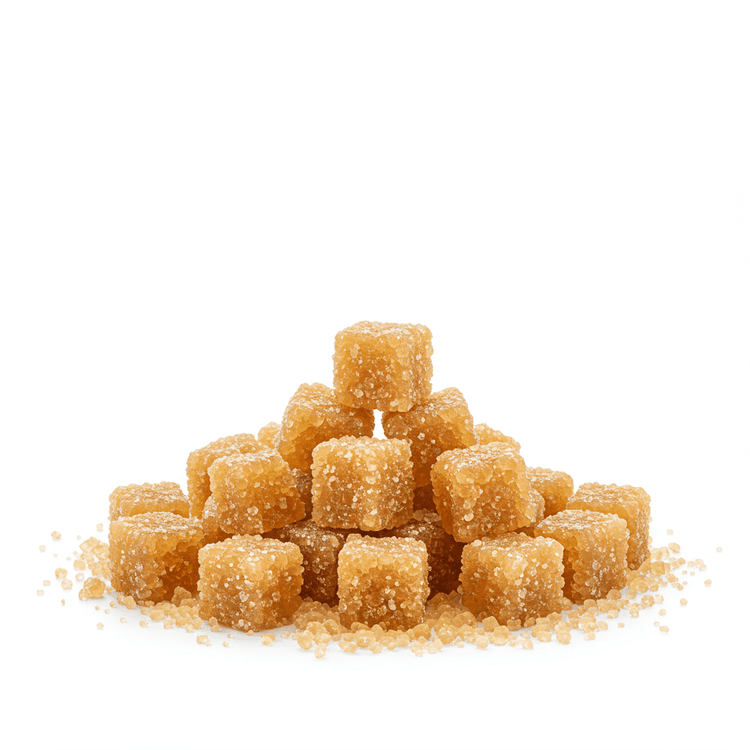
Sugar, a ubiquitous ingredient in the culinary world, is a sweet, crystalline carbohydrate primarily used to add sweetness to foods and beverages. Its granular texture ranges from fine to coarse, and its appearance is typically white or light brown, depending on the level of processing. As a natural sweetener, sugar offers a readily available source of energy, but it's crucial to consume it in moderation. From granulated sugar for baking to powdered sugar for dusting, sugar plays a critical role in countless recipes. Different types of sugar offer varying levels of sweetness and subtle flavor nuances, influencing the final taste and texture of baked goods, desserts, and other culinary creations. Many seek low sugar alternatives, and sugar can be replaced with sugar-free sweeteners or natural substitutes to achieve the desired sweetness.
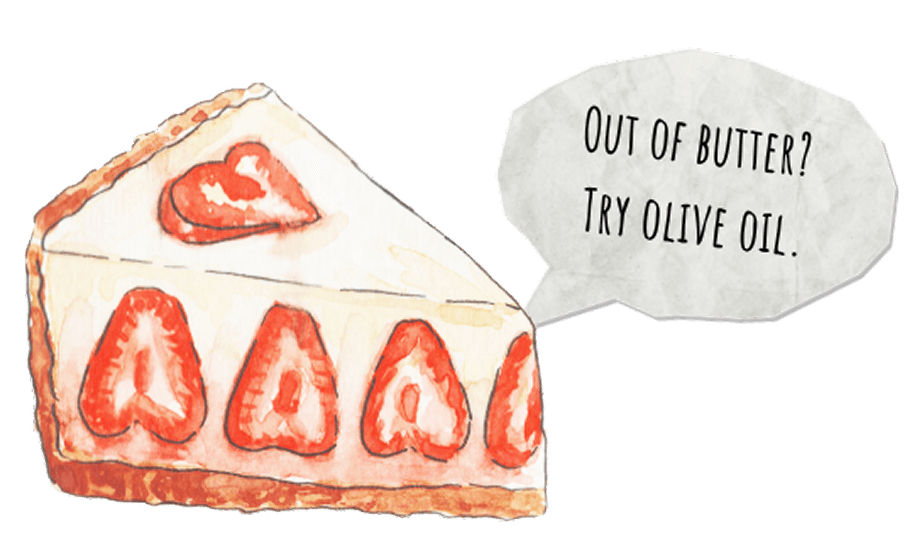
Save recipes from anywhere, and get answers, swaps, and help as you cook.
Store sugar in an airtight container in a cool, dry place away from direct sunlight and moisture. Granulated sugar can typically be stored at room temperature indefinitely if kept properly sealed. Brown sugar should be stored in an airtight container with a piece of bread or a marshmallow to prevent it from hardening. Powdered sugar should also be stored in an airtight container to prevent clumping.

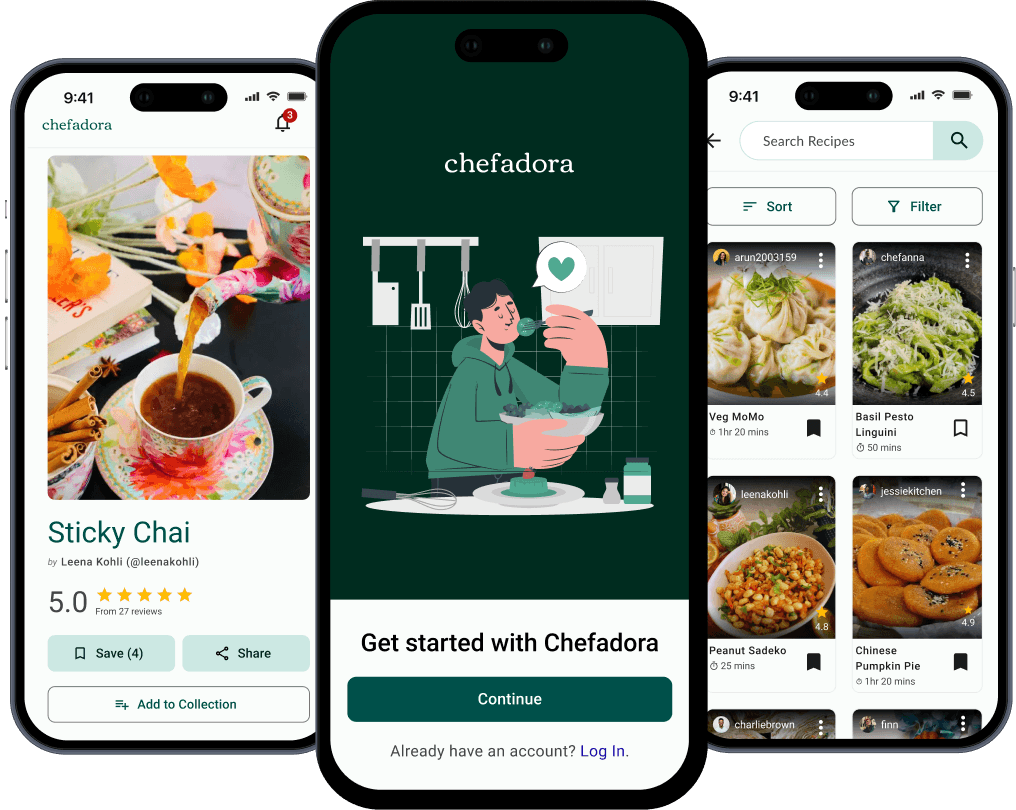
Available now for early access users.