We use cookies on this website to ensure its proper functioning and to improve the quality of our services. Cookie Policy
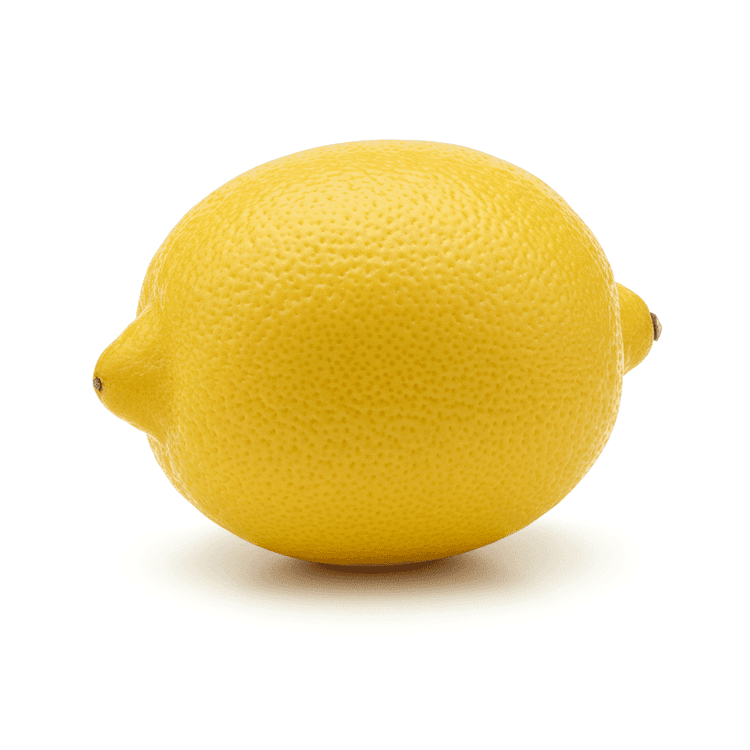
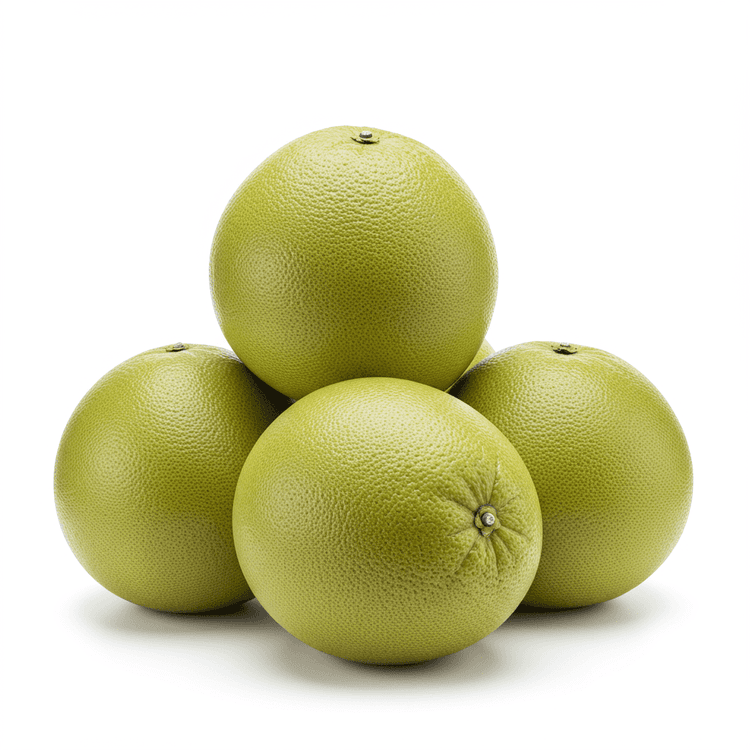
Sweet lemons — you'll also see them called sweet lime, limetta, or mosambi depending on where you are in the world — are a citrus fruit prized for what they leave out: the sharp, mouth-puckering acidity of a regular lemon. Bite into one and you get a mild, gently sweet flesh with soft floral notes and just the faintest whisper of tartness. The skin is smooth, thin, and pale yellow, and the juicy pulp holds few seeds, which makes them easy to work with in the kitchen. For anyone who finds ordinary lemons too aggressive, this is the citrus that finally behaves.
Because the flavor is so restrained, sweet lemons shine anywhere you want brightness without the bite — think fresh juice, delicate desserts, and marinades for fish or chicken that shouldn't be overpowered. They're a staple of North Indian juice stalls, where the fruit is pressed fresh with a pinch of salt, and they turn up in Mediterranean and Middle Eastern kitchens too. If you can't find them, another naturally mild, low-acid citrus like pomelo makes a reasonable stand-in, though it leans more grapefruit-floral than lemony.
Keep in mind that "sweet" here is relative — this isn't sugary like an orange. It's more that the tartness has been dialed down, letting the perfume of the peel and the clean citrus character come forward. That subtlety is exactly why cooks reach for it when a full-strength lemon would steamroll everything else on the plate.

Save recipes from anywhere, and get answers, swaps, and help as you cook.


Available now for early access users.