We use cookies on this website to ensure its proper functioning and to improve the quality of our services. Cookie Policy
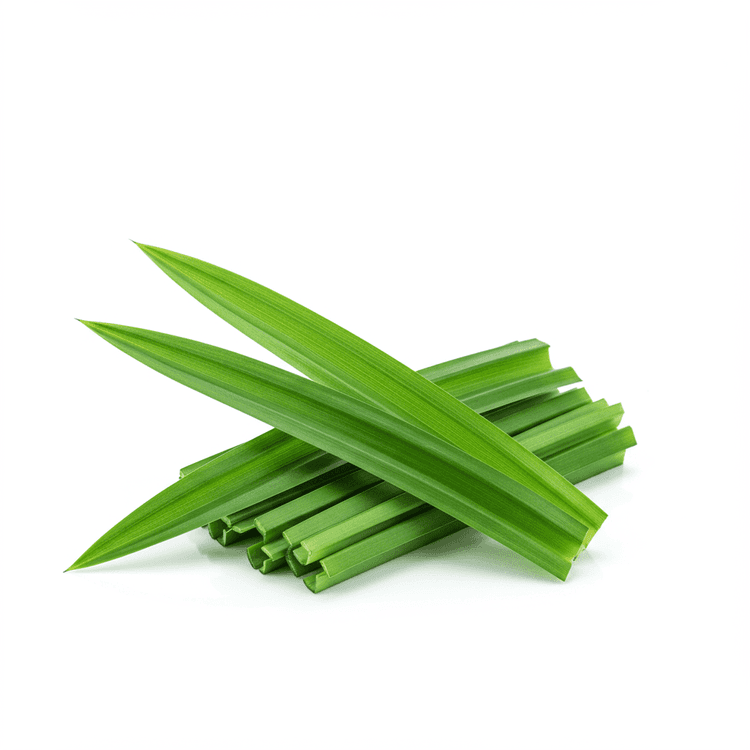
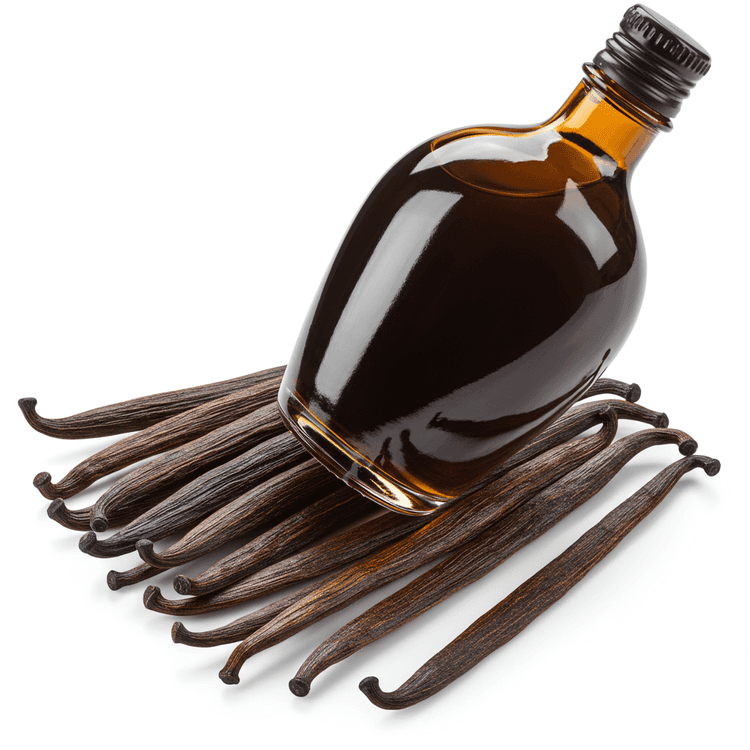
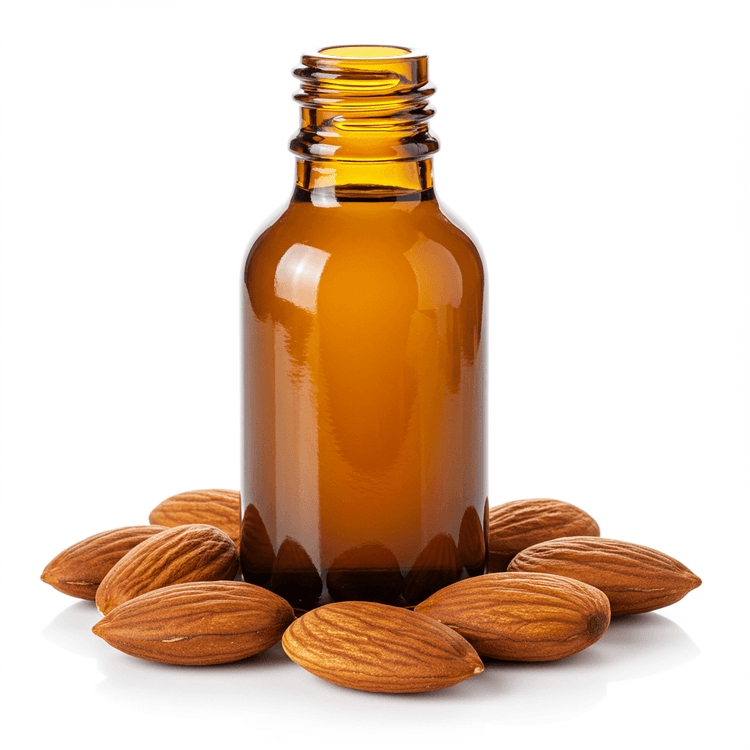
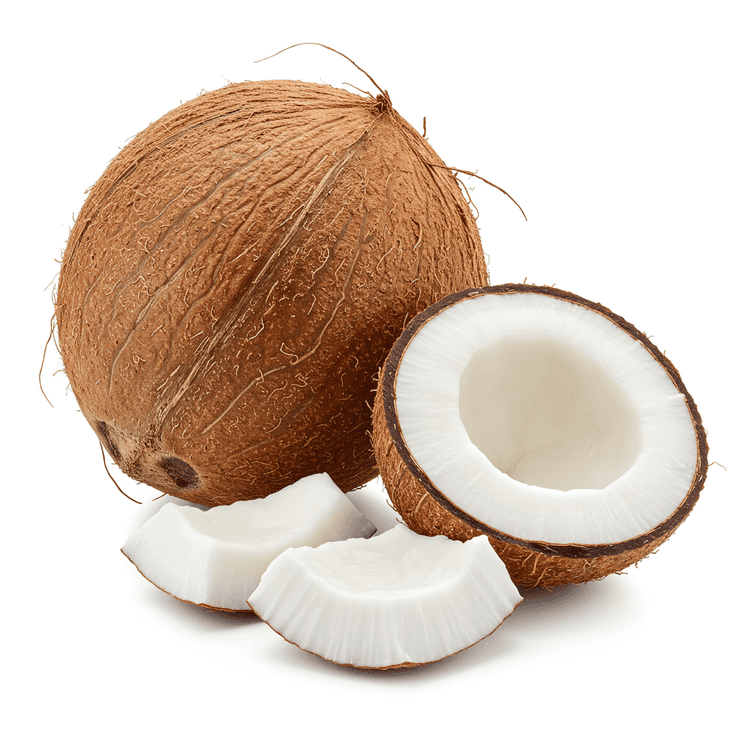
Pandan leaf, also known as screwpine leaf, is a fragrant tropical plant widely used in Southeast Asian cooking. The leaves are long, slender, and vibrant green, imparting a unique sweet, floral aroma and a subtly grassy flavor. Fresh pandan leaves are typically used, and they can be found in Asian markets. Search for 'fresh pandan leaves near me' to source locally. Dried pandan leaves are also available but are less potent. The scent of pandan is often compared to vanilla, almond, or even coconut, making it a versatile ingredient for both sweet and savory dishes. When using pandan you get a mildly sweet taste and pleasing aroma.
If you've never smelled it before, the closest way to describe pandan is that warm, toasty, faintly nutty note you get from good jasmine rice, layered with something green and vanilla-like. That's why cooks across Malaysia, Indonesia, Thailand, Vietnam, and the Philippines reach for it so often. On its own the flavor is gentle, so it's less about a bold punch and more about rounding out and perfuming everything around it. In desserts it reads sweet and creamy; in savory braises and rice it does the quiet work of making a dish smell like home.
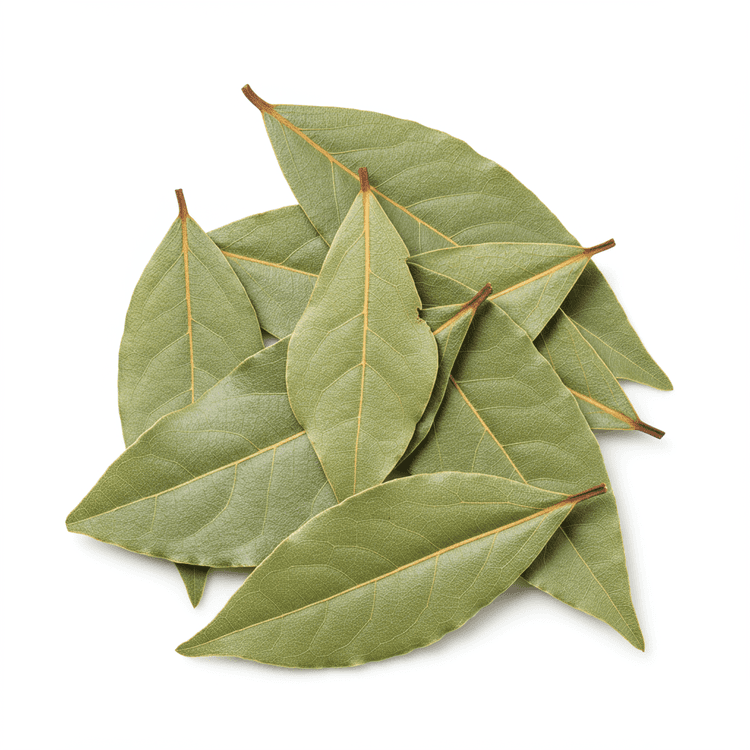
Most of the character lives in the aroma rather than in a strong taste, which is why pandan is almost always cooked or steeped rather than eaten raw. The tough, fibrous leaves aren't meant to be chewed. You bruise, knot, or blend them to coax out the fragrance, then fish them out before serving, much the way you'd use a bay leaf in a stew. Fresh gives you the greenest color and the fullest scent, while frozen leaves are a genuinely good backup when fresh is out of reach.
Save recipes from anywhere, and get answers, swaps, and help as you cook.


Available now for early access users.