We use cookies on this website to ensure its proper functioning and to improve the quality of our services. Cookie Policy

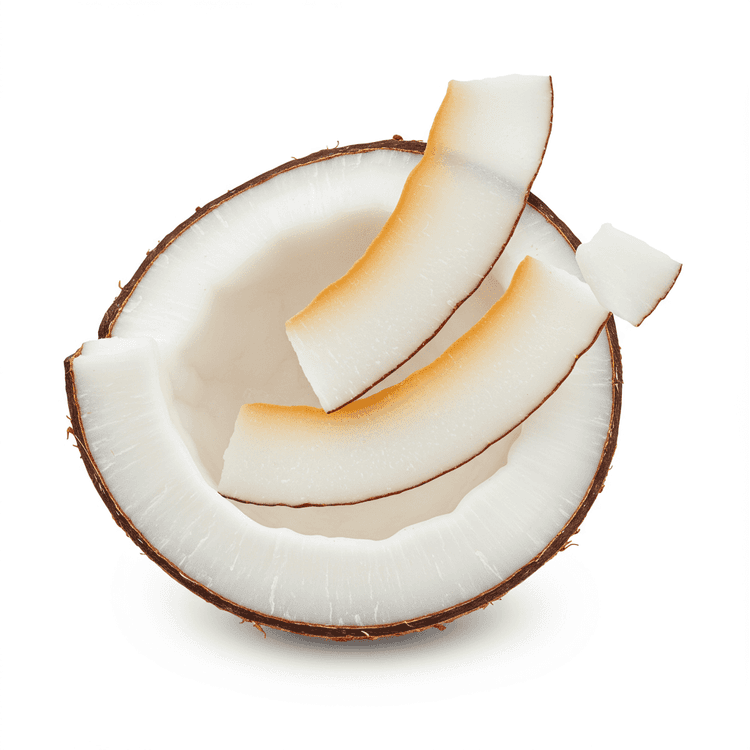
Grated coconut, also known as shredded coconut, is the fluffy, snow-white flesh of the coconut that has been finely shredded. It offers a subtly sweet and nutty flavor, providing a delicate texture that can range from slightly chewy to almost melt-in-your-mouth depending on its moisture content. This versatile ingredient is readily available in both sweetened and unsweetened varieties, making it a popular choice for baking, cooking, and garnishing a wide array of dishes. The finely grated texture makes it easy to incorporate into recipes, adding both flavor and visual appeal.
If you've only ever tasted the sweetened kind from a bag, fresh grated coconut is a revelation. It's milky, clean, and rounder in flavor, with a gentle richness that comes from its natural oils rather than added sugar. Unsweetened grated coconut leans nuttier and more savory, which is exactly why it shows up in so many Indian, Thai, Filipino, and Caribbean kitchens, where it thickens curries, folds into chutneys, and finishes rice dishes. Sweetened grated coconut, on the other hand, is moister and stickier, tailor-made for macaroons, frostings, and toasted toppings.
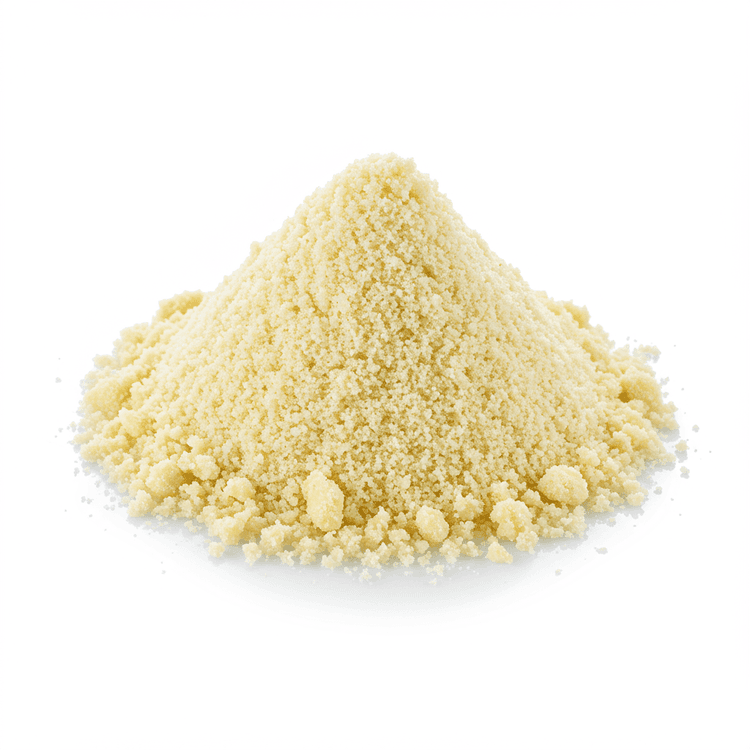
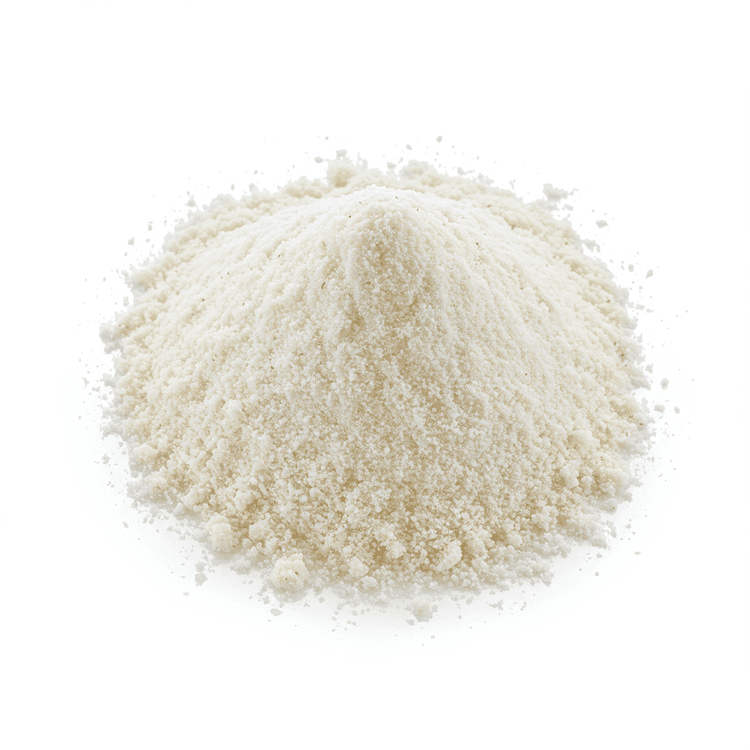
A quick note on the coconut family, since the labels get confusing: grated coconut is more finely cut than coconut flakes, which are broader and better for texture and garnish. It's also very different from coconut flour, the dried and defatted powder used in gluten-free baking. Grated coconut sits closest to freshly opened coconut itself — think of it as that flesh, ready to cook with.
Save recipes from anywhere, and get answers, swaps, and help as you cook.


Available now for early access users.