We use cookies on this website to ensure its proper functioning and to improve the quality of our services. Cookie Policy
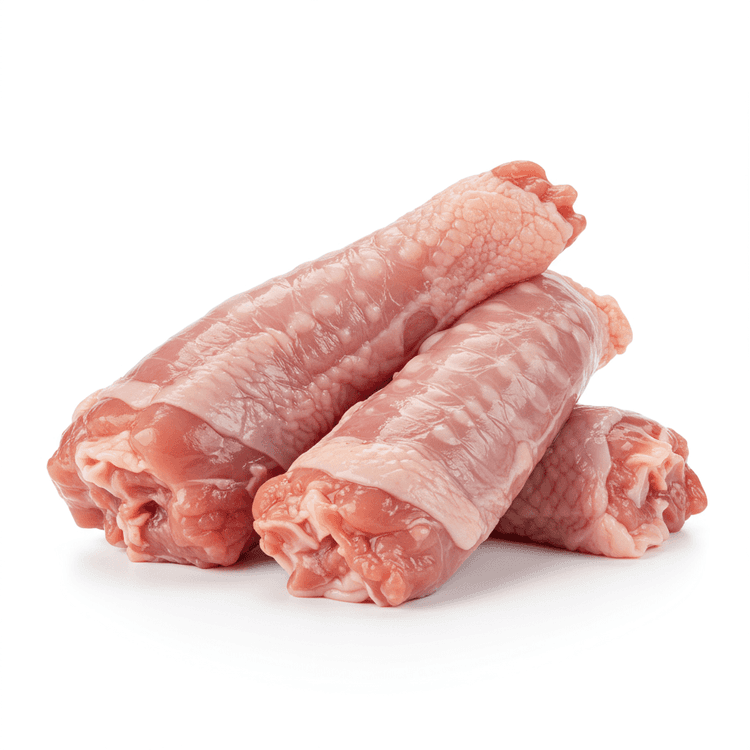
Chicken neck is a flavorful and economical cut of poultry that is often overlooked but highly valued in various cuisines. It has a rich, meaty taste with a slightly chewy texture, making it ideal for slow-cooking methods that extract its deep flavors. Typically small and bony, chicken necks are often used to enhance broths, soups, and stews, as they release collagen and nutrients when simmered. Their appearance is slender and elongated, with a mix of tender meat and connective tissue, making them a versatile ingredient for creating hearty, comforting dishes.
What surprises most people the first time they cook chicken necks is just how much flavor is packed around those little bones. The meat clings tight to the vertebrae, so it's not a cut you eat in a hurry, but that same structure is exactly why cooks reach for it. All that skin, cartilage, and connective tissue melts down into liquid gold when you give it time, lending body and a savory, almost sweet chicken taste that boneless cuts simply can't match. Cultures from Southern soul-food kitchens to Chinese, Filipino, Caribbean, and West African households have long treated necks as a prized flavor-builder rather than a scrap.
Because they're inexpensive and sold by most butchers and Asian or halal groceries, chicken necks are a smart way to stretch a meal or deepen a pot of stock. They pair beautifully with other poultry parts like backs, wings, and feet for an extra-gelatinous broth, and they behave much like other bone-in meat cuts that reward low, slow heat. Whether you simmer them for stock, braise them until the meat slips off, or roast them crisp for nibbling, chicken necks turn a humble cut into something genuinely satisfying.

Save recipes from anywhere, and get answers, swaps, and help as you cook.


Available now for early access users.