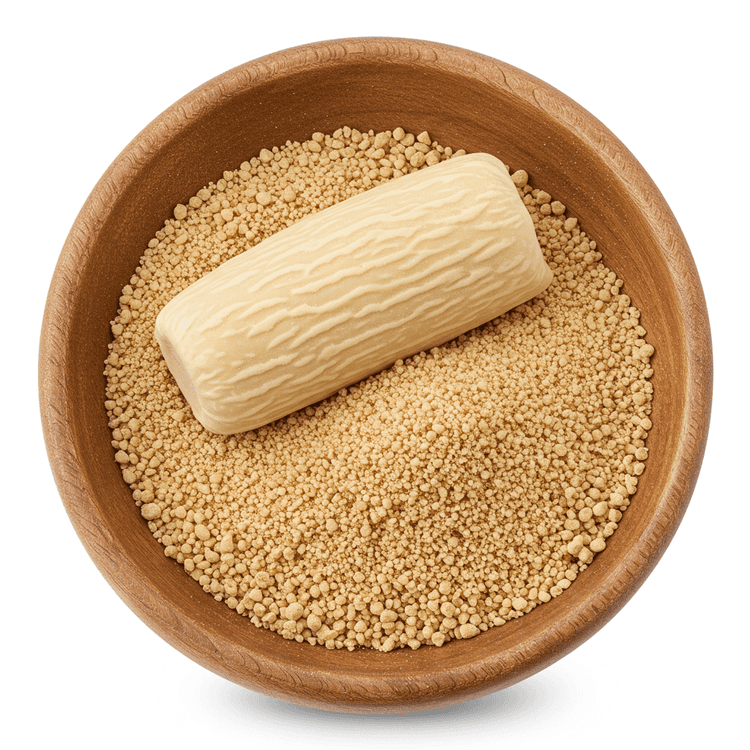
Yeast, a single-celled microorganism, plays a vital role far beyond just leavening bread. While primarily known for its use in baking and brewing, certain types of yeast offer significant nutritional benefits, making them a valuable addition to a balanced diet. When we talk about yeast in the context of health, we're primarily referring to nutritional yeast and brewer's yeast, distinct from the active dry yeast used for baking.
Nutritional yeast, often deactivated Saccharomyces cerevisiae, boasts an impressive nutritional profile. It's a complete protein source, containing all nine essential amino acids our bodies can't produce. This makes it particularly appealing to vegetarians and vegans seeking to meet their protein needs. Furthermore, many nutritional yeast products are fortified with B vitamins, including vitamin B12, crucial for nerve function, DNA synthesis, and red blood cell formation, and often deficient in plant-based diets. Nutritional yeast is also a good source of selenium, an essential trace mineral that acts as an antioxidant, protecting cells from damage, and supports thyroid function. Its naturally cheesy flavor makes it a popular vegan substitute for cheese in sauces, dips, and sprinkled on dishes like pasta and popcorn. Imagine a creamy, dairy-free "cheese" sauce made with nutritional yeast, cashews, and spices – a healthy and delicious alternative.
Brewer's yeast, another form of Saccharomyces cerevisiae, is a byproduct of beer brewing. While it has a more bitter taste than nutritional yeast, it's packed with essential nutrients. Like nutritional yeast, brewer's yeast is a good source of B vitamins, including thiamin, riboflavin, niacin, pantothenic acid, pyridoxine, and folic acid. These B vitamins are essential for energy metabolism, converting food into usable energy. Brewer's yeast also contains chromium, a trace mineral that helps regulate blood sugar levels, and selenium. It is often used as a dietary supplement to support overall health and well-being. Some people take brewer's yeast to help manage blood sugar, improve athletic performance, and boost the immune system, though more research is needed to confirm these benefits. Its slightly bitter, nutty flavor can be incorporated into smoothies, juices, or sprinkled on salads.
Yeast's importance in a balanced diet extends beyond its vitamin and mineral content. The protein and B vitamins contribute to sustained energy levels, supporting an active lifestyle. The selenium and other antioxidants help protect against cellular damage, promoting long-term health. Moreover, nutritional yeast offers a flavorful and versatile alternative for those seeking to reduce their intake of dairy or animal products. From cheesy vegan sauces to protein-rich additions to smoothies, yeast offers a range of culinary possibilities. Exploring different ways to incorporate nutritional and brewer’s yeast into your diet can significantly contribute to improved nutrition and overall wellness. The key is to choose high-quality products and to be mindful of serving sizes, as some people may experience digestive discomfort with excessive consumption. Always consult with a healthcare professional or registered dietitian if you have any concerns about incorporating yeast into your diet, especially if you have a yeast allergy or sensitivity. ||
Yeast are an essential part of a healthy diet, providing a wide range of nutrients and health benefits. Explore our collection of yeast ingredients.