Wrappers, in the culinary world, are incredibly versatile, offering a delightful array of options to enclose and present diverse fillings. From delicate rice paper to hearty tortillas and crisp lettuce leaves, wrappers provide a blank canvas for culinary creativity and contribute significantly to a balanced and enjoyable diet.
Perhaps the most ubiquitous of wrappers are tortillas, made from corn or wheat. Corn tortillas are naturally gluten-free and offer a subtly sweet, earthy flavor, while wheat tortillas boast a softer texture. Both are excellent sources of carbohydrates, providing energy for daily activities. They are commonly used in tacos, burritos, enchiladas, and quesadillas. The filling, of course, dictates the nutritional profile of the dish, but starting with a whole-wheat tortilla will increase the fiber content.
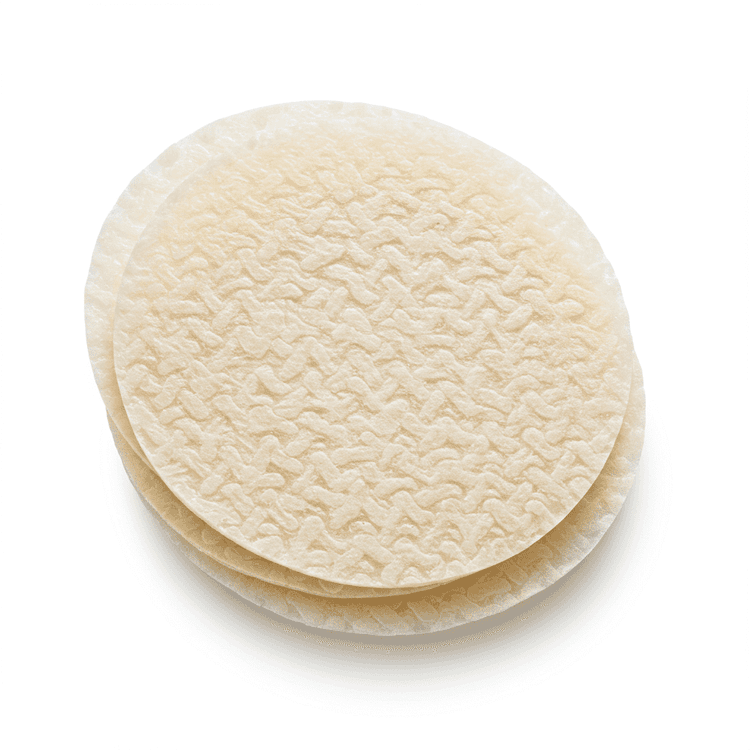
Rice paper wrappers, thin and translucent, are another popular choice, especially in Asian cuisine. These wrappers are typically made from rice flour, tapioca flour, water, and salt. They're naturally gluten-free and low in calories, making them a light and refreshing option. They're most famously used in fresh spring rolls, where they encase a colorful medley of vegetables, herbs, and protein like shrimp or tofu. The benefit of rice paper wrappers lies in their ability to showcase fresh ingredients without adding a heavy or greasy element.
Lettuce wraps provide a carb-conscious alternative. Crisp lettuce leaves, such as romaine or butter lettuce, offer a refreshing crunch and a boost of vitamins, particularly vitamin K, essential for blood clotting and bone health, and vitamin A, vital for vision and immune function. Ground meat, stir-fried vegetables, or even seafood salads find a perfect home in lettuce wraps, creating a light and satisfying meal.
Cabbage leaves, especially napa cabbage, are also used as wrappers. They are a great source of vitamins C and K, as well as fiber. Cabbage wraps can be steamed or blanched to make them more pliable and are often used in stuffed cabbage rolls or as a healthier alternative to tortillas.
Other less common, but equally interesting, wrappers include grape leaves, traditionally stuffed with rice, herbs, and sometimes meat in Mediterranean cuisine. These leaves provide antioxidants and contribute a unique tangy flavor.
Wrappers, in their myriad forms, contribute to a balanced diet by allowing for creative combinations of ingredients. They encourage the consumption of vegetables, lean proteins, and whole grains, promoting variety and making healthy eating more appealing. By choosing whole-grain tortillas, incorporating plenty of fresh vegetables in rice paper rolls, or opting for lettuce wraps instead of bread, you can significantly enhance the nutritional value of your meals. The beauty of wrappers lies in their adaptability, allowing you to tailor your meals to your specific dietary needs and preferences while enjoying a delicious and satisfying experience. They are a fundamental component of many cuisines, and understanding their versatility is key to healthy and exciting cooking. ||
Wrapper are an essential part of a healthy diet, providing a wide range of nutrients and health benefits. Explore our collection of wrapper ingredients.