Umami, often described as the fifth taste alongside sweet, sour, salty, and bitter, goes far beyond a simple flavor sensation. It's a rich, savory, and mouthwatering experience that adds depth and complexity to a wide range of dishes. But umami is more than just delicious; it also plays a significant role in our overall well-being and culinary creativity.
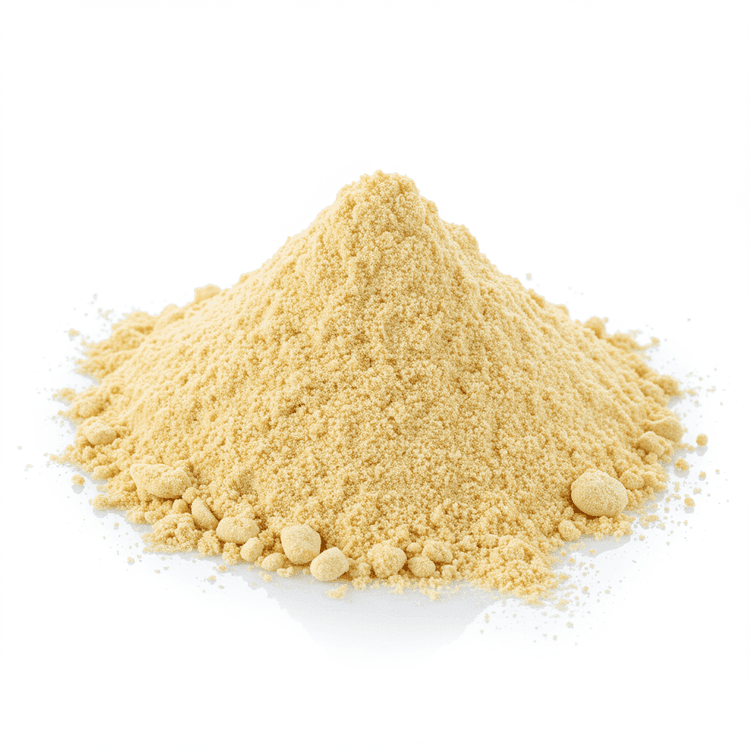
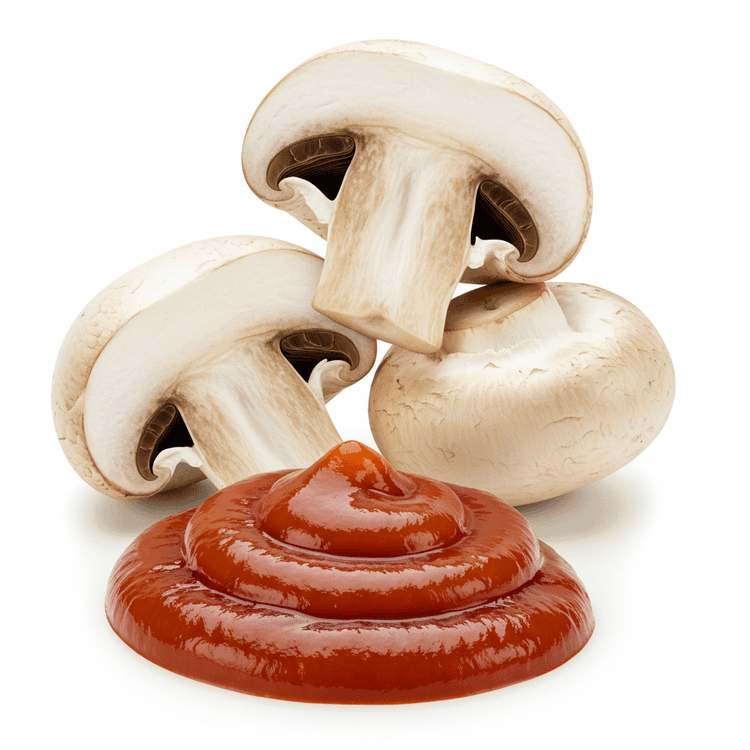
So, what exactly creates this irresistible umami flavor? Primarily, it's the presence of glutamate, an amino acid naturally found in many foods, and certain nucleotides like inosinate and guanylate. When these compounds interact with specific receptors on our tongues, they trigger the umami sensation. Foods rich in umami include aged cheeses like Parmesan, cured meats like prosciutto, seafood like tuna and anchovies, mushrooms (especially dried shiitake), tomatoes (particularly sun-dried), seaweed, and fermented products like soy sauce and miso. These ingredients aren't just flavorful; they contribute significantly to a balanced diet.
From a nutritional perspective, umami-rich foods often bring other valuable nutrients to the table. For instance, mushrooms are excellent sources of B vitamins (like niacin, riboflavin, and pantothenic acid), which are crucial for energy metabolism and nerve function. Seafood provides omega-3 fatty acids, essential for heart health and brain function, along with vitamin D and selenium. Tomatoes are packed with lycopene, a powerful antioxidant that may reduce the risk of certain cancers. While glutamate itself is not considered an essential nutrient, the foods containing it often are. By consciously incorporating umami-rich ingredients, you're likely boosting your intake of important vitamins, minerals, and antioxidants.
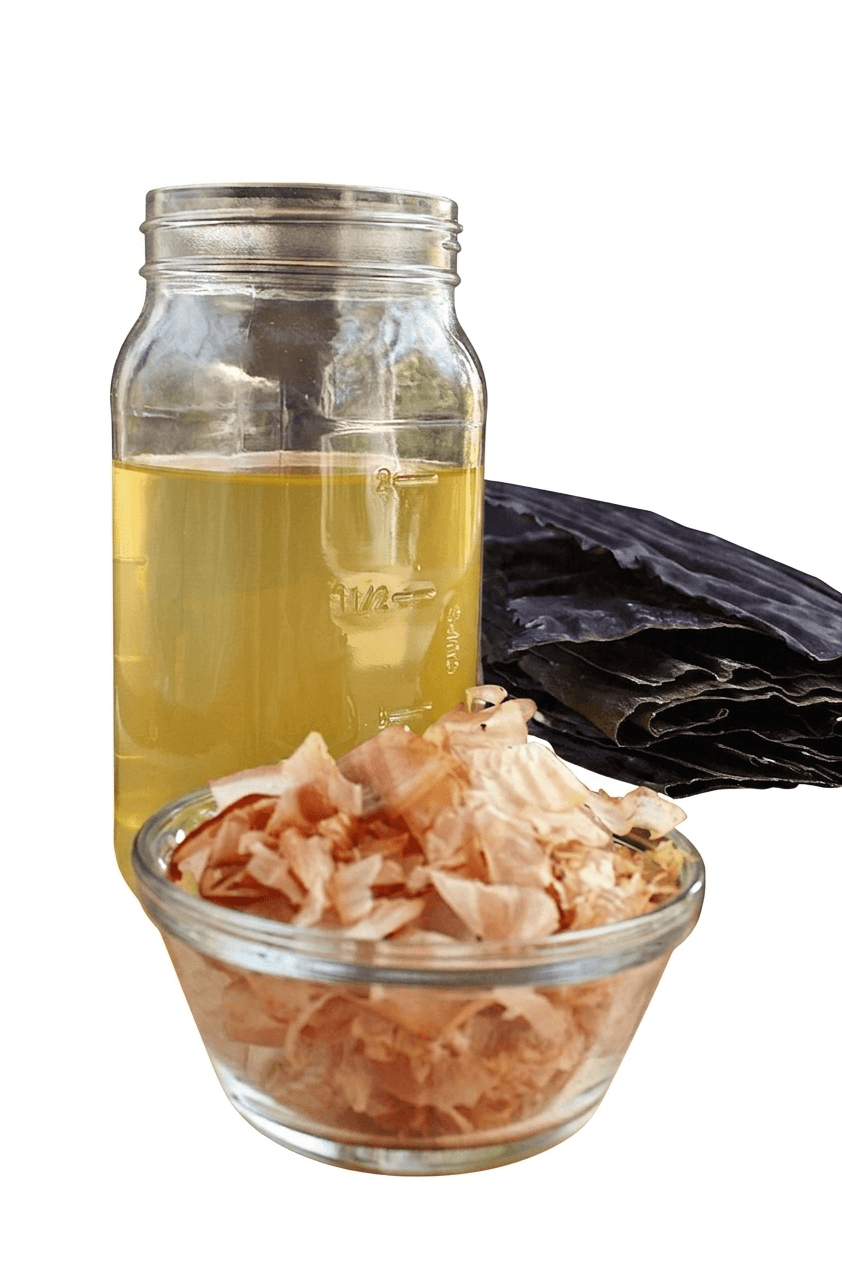
Culinary uses of umami are incredibly diverse. In Italian cuisine, a sprinkle of Parmesan cheese elevates pasta dishes and adds depth to sauces. Japanese cuisine relies heavily on dashi (a broth made from kombu seaweed and dried bonito flakes) as a foundational element for soups, sauces, and simmered dishes. In Southeast Asian cooking, fish sauce and shrimp paste provide a distinctive umami kick to curries, stir-fries, and dipping sauces. Even a simple grilled cheese sandwich can be enhanced with a slice of tomato and a smear of Dijon mustard, both sources of umami. Cooking methods like roasting, drying, and fermentation often enhance umami flavors in foods, making them even more impactful in your dishes. Slow-roasted tomatoes, for example, develop a concentrated sweetness and an intense umami depth.
Beyond individual ingredients, umami can be leveraged to reduce sodium intake. By incorporating umami-rich components, you can create a more satisfying and flavorful dish with less salt. This is particularly important for individuals managing high blood pressure or following a low-sodium diet. Umami compounds enhance the perception of saltiness, allowing you to achieve the desired flavor profile without relying solely on sodium chloride. In essence, umami isn't just about taste; it's a powerful tool for creating healthier and more delicious meals. So, explore the world of umami, experiment with different ingredients and cooking techniques, and discover the savory magic it can bring to your kitchen and your well-being. Embracing umami enhances not only the taste of your food but also the nutritional value of your diet. ||
Umami are an essential part of a healthy diet, providing a wide range of nutrients and health benefits. Explore our collection of umami ingredients.