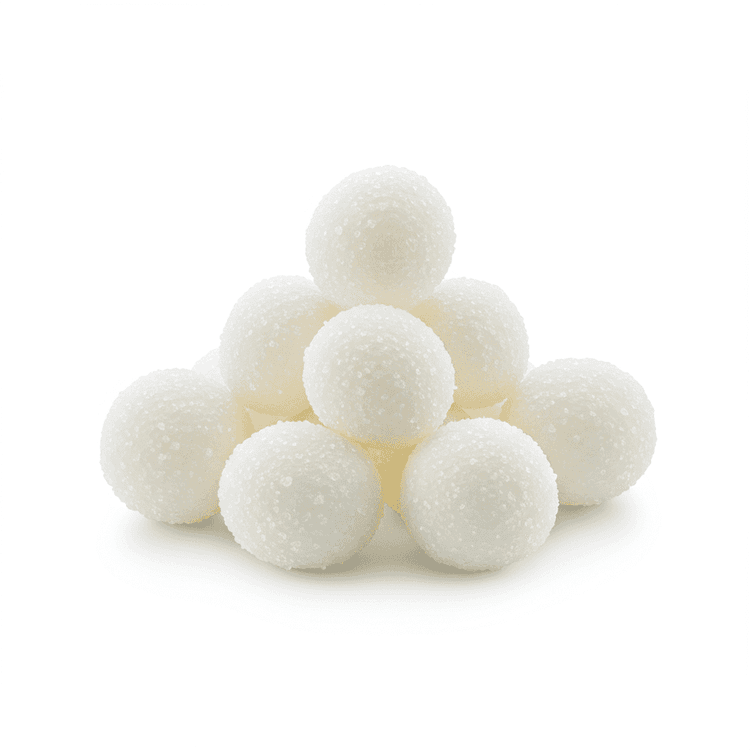
Sugar alcohols, also known as polyols, offer a unique sweetening option in the world of nutrition. They're neither sugars nor alcohols, but carbohydrates with a chemical structure that resembles both. This unique structure contributes to their lower calorie content and often reduced impact on blood sugar levels compared to traditional sugars like sucrose and glucose. Common examples you might find in your favorite sugar-free products include erythritol, xylitol, sorbitol, and mannitol.
From a health perspective, sugar alcohols present several potential advantages. Because they are not fully absorbed by the body, they contribute fewer calories. This makes them popular choices for weight management and diabetic-friendly diets. Xylitol, in particular, has gained recognition for its dental health benefits, as it can inhibit the growth of bacteria that cause tooth decay. Many sugar-free gums and candies utilize xylitol for this reason. Erythritol is generally considered to be one of the best-tolerated sugar alcohols with minimal digestive side effects as most of it is absorbed by the small intestine and excreted unchanged in the urine.
In the kitchen, sugar alcohols find their way into a wide variety of culinary applications. They're commonly used in sugar-free candies, chewing gum, baked goods, and ice cream, offering a sweet taste without the caloric punch or blood sugar spike of regular sugar. They can also be used in homemade desserts, sauces, and beverages. While they can mimic the sweetness of sugar, some sugar alcohols may have a slightly different taste profile or texture. For instance, some have a cooling effect, which can be desirable in certain applications like mint-flavored treats. When baking with sugar alcohols, it's important to understand their individual properties. Some may not caramelize like sugar, and they might require adjustments to the recipe to achieve the desired texture.
Including sugar alcohols in a balanced diet can be a strategic way to reduce sugar intake without sacrificing sweetness. However, moderation is key. Because they are not fully absorbed, consuming large amounts of certain sugar alcohols can lead to digestive discomfort, such as bloating, gas, and diarrhea. Individual tolerance varies, so it's best to introduce them gradually into your diet. Read product labels carefully to understand the type and amount of sugar alcohol present, especially if you have a sensitive digestive system. Furthermore, while they offer a lower-calorie alternative, it's crucial to remember that products containing sugar alcohols can still contribute to overall calorie intake. The focus should always be on a balanced diet rich in whole, unprocessed foods. If you are living with diabetes or other metabolic conditions, it's always best to consult with your doctor or a registered dietitian. They can provide personalized guidance on whether sugar alcohols are a suitable option for your individual health needs and dietary goals. ||
Sugar Alcohol are an essential part of a healthy diet, providing a wide range of nutrients and health benefits. Explore our collection of sugar alcohol ingredients.