Savoring Steak: A Nutritional Powerhouse & Culinary Delight
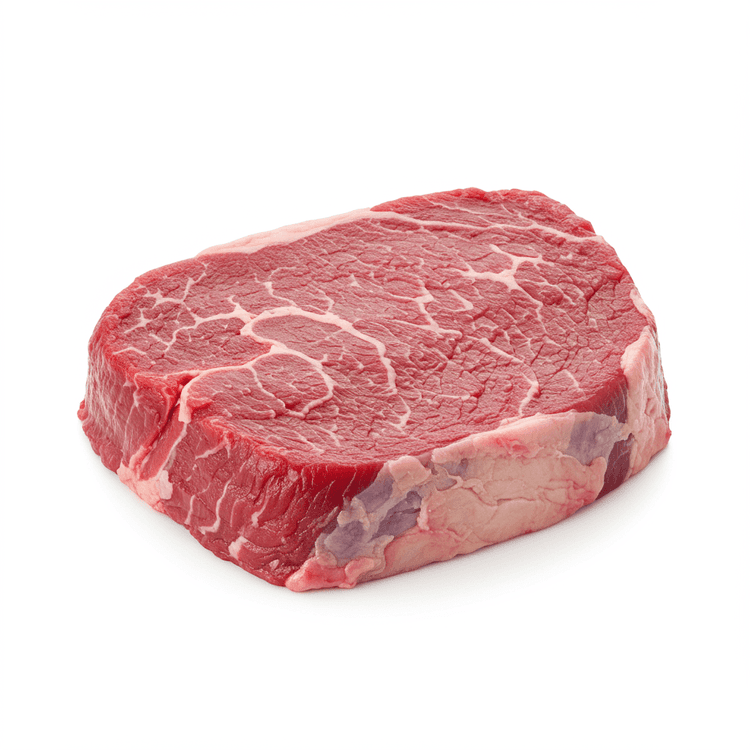
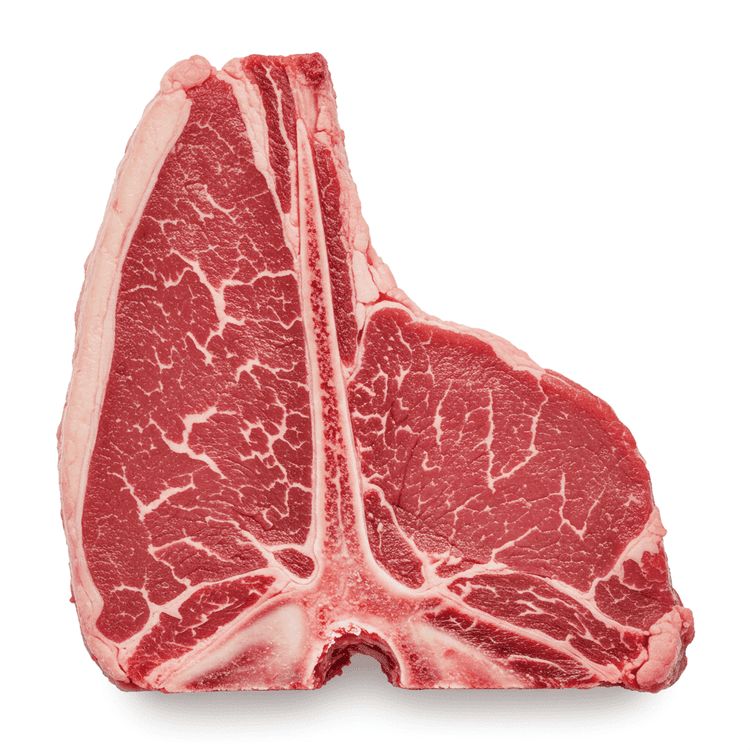
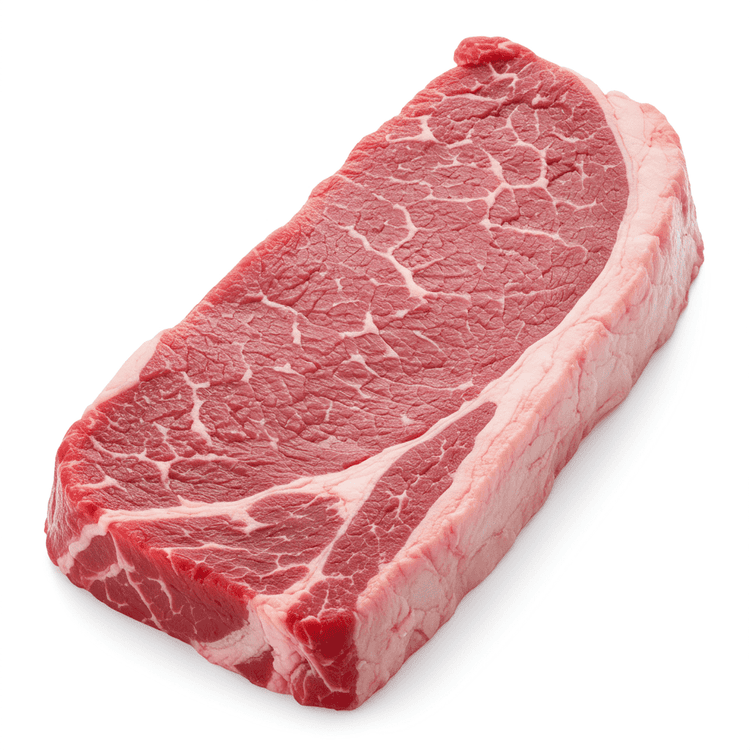
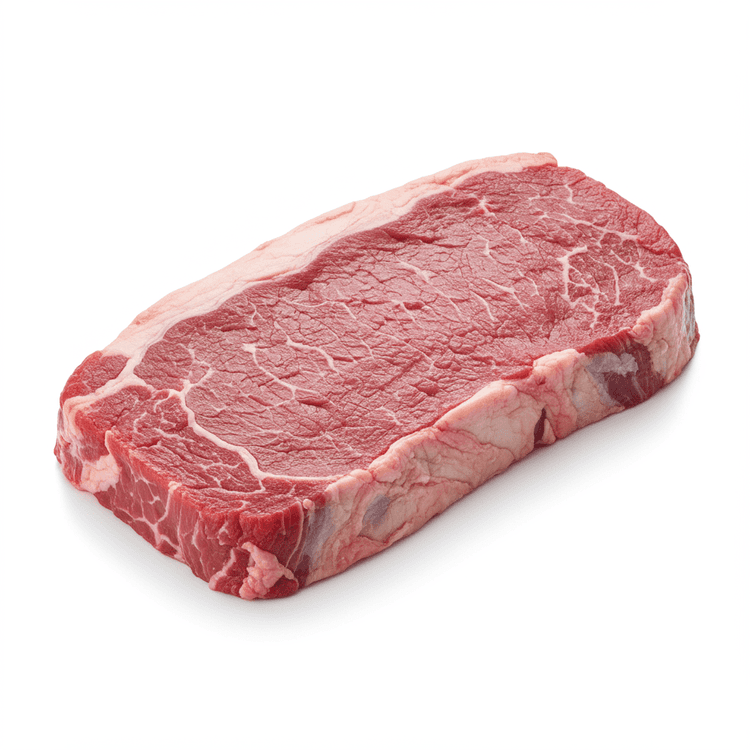
Steak, a culinary cornerstone across cultures, is more than just a flavorful indulgence; it's a nutritional powerhouse offering significant health benefits when enjoyed as part of a balanced diet. From lean sirloin to rich ribeye, different cuts provide varying levels of nutrients, making informed choices essential for health-conscious individuals. Steak is a substantial source of high-quality protein, crucial for muscle building and repair, enzyme production, and hormone regulation. Protein also contributes to satiety, helping to manage weight and prevent overeating. Beyond protein, steak is packed with essential vitamins and minerals vital for optimal bodily function.
One of steak's most significant contributions is its high iron content, particularly heme iron, which is more readily absorbed by the body than non-heme iron found in plant-based sources. Iron is essential for red blood cell production, oxygen transport, and preventing iron-deficiency anemia. Steak is also a great source of zinc, supporting immune function, wound healing, and cell growth. Furthermore, steak provides significant amounts of B vitamins, including vitamin B12, crucial for nerve function and DNA synthesis. Vitamin B12 deficiency can lead to fatigue, neurological problems, and anemia, making steak a valuable source, especially for individuals at risk of deficiency. Some cuts of steak also provide selenium, an antioxidant that protects against cell damage and supports thyroid function.
Culinary uses for steak are incredibly diverse. It can be grilled to perfection, pan-seared for a crispy crust, broiled for a quick and easy meal, or even slow-cooked for ultimate tenderness. Popular steak dishes include classic grilled steak with roasted vegetables, steak frites (steak with french fries), steak tacos, and beef Wellington. Marinades and rubs enhance the flavor profile, allowing for endless culinary creativity. Consider leaner cuts like sirloin or flank steak for everyday meals and reserve richer cuts like ribeye or porterhouse for special occasions. When cooking steak, it's essential to consider internal temperature for food safety and desired doneness, from rare to well-done.
Incorporating steak into a balanced diet offers unique nutritional advantages. While moderation and portion control are key, the high concentration of bioavailable nutrients makes it a valuable food source. Compared to some other protein sources, steak boasts a higher density of essential vitamins and minerals per serving. The combination of high-quality protein, iron, zinc, and B vitamins contributes to overall health and vitality, supporting energy levels, immune function, and muscle health. Choosing leaner cuts, trimming excess fat, and employing healthy cooking methods like grilling or broiling can further enhance the nutritional benefits of steak. While steak is undeniably a delicious and nutritious food, it’s important to be mindful of the cut you choose, portion sizes, and frequency of consumption. Combining steak with plenty of vegetables, whole grains, and healthy fats creates a well-rounded and satisfying meal that supports overall wellness.
||
Steak are an essential part of a healthy diet, providing a wide range of nutrients and health benefits. Explore our collection of steak ingredients.