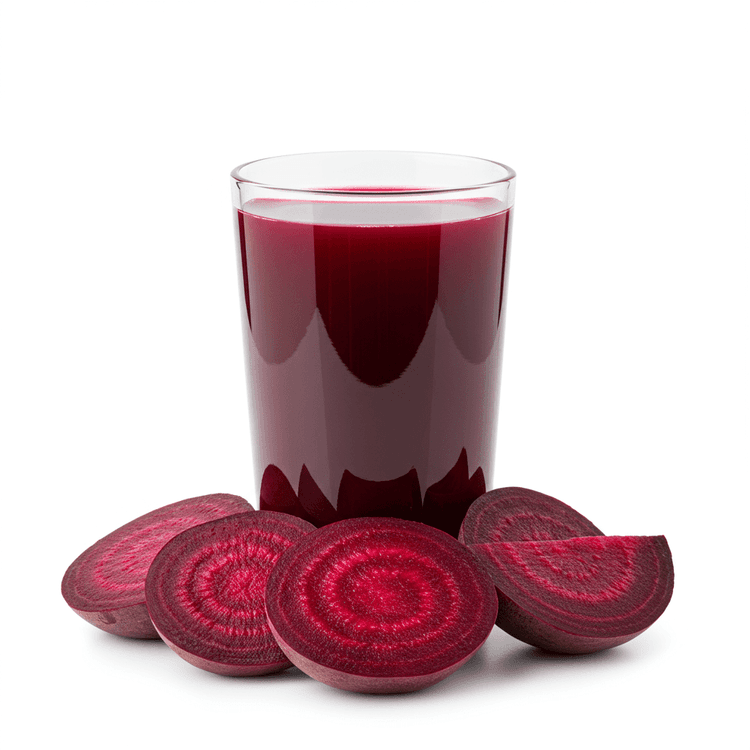
Root vegetable derivatives encompass a diverse range of processed foods derived from nutrient-rich roots like potatoes, carrots, beets, and turnips. These derivatives offer convenience and versatility in the kitchen while retaining many of the health benefits associated with their whole-food origins. Think potato starch, beet sugar, carrot juice, and even tapioca from cassava root – all falling under this broad category.
One of the primary appeals of root vegetable derivatives lies in their accessibility and ease of use. Potato starch, for instance, is a staple in gluten-free baking, providing structure and binding where wheat flour falls short. It's also a fantastic thickener for sauces and soups, offering a neutral flavor profile that won't overpower other ingredients. Beet sugar, while similar to cane sugar, often retains trace minerals and antioxidants found in beets, potentially offering a slightly healthier alternative for sweetening beverages and baked goods. Carrot juice is packed with beta-carotene, a precursor to Vitamin A, vital for vision, immune function, and skin health. It also provides potassium, important for maintaining healthy blood pressure. Tapioca, derived from cassava, is a versatile starch used in puddings, thickeners, and even bubble tea, offering a gluten-free and often allergy-friendly option.
From a culinary perspective, root vegetable derivatives are incredibly adaptable. Potato starch adds a crispy texture to fried foods, while beet sugar lends a subtle earthy sweetness to desserts and sauces. Carrot juice can be incorporated into smoothies, soups, and even marinades, boosting both flavor and nutritional content. Tapioca pearls create a delightful chewy texture in desserts and beverages. Consider using potato starch to create light and airy tempura batter, or incorporating beet sugar into a vinaigrette for a touch of sweetness and vibrant color. Carrot juice can be blended into a creamy carrot ginger soup, while tapioca pearls add a fun and textural element to homemade puddings or bubble tea.
Including root vegetable derivatives in a balanced diet can contribute to overall wellness, though it's crucial to be mindful of portion sizes and preparation methods. While these derivatives often retain key nutrients from their source vegetables, processing can sometimes alter the nutrient profile. For example, while beet sugar might contain trace minerals, it's still a concentrated source of sugar and should be consumed in moderation. Potato starch, while gluten-free, is primarily composed of carbohydrates and lacks the fiber found in whole potatoes. The key is to choose minimally processed options whenever possible and to incorporate them into a diet rich in whole, unprocessed root vegetables for optimal health benefits. They offer a convenient way to add subtle nutritional boosts and unique textures to your meals, complementing a diet focused on whole foods. Remember to read labels carefully and choose options with minimal added sugars or unhealthy fats.
Ultimately, understanding the benefits and limitations of root vegetable derivatives allows for informed choices in the kitchen. By incorporating them strategically, you can enhance the flavor, texture, and nutritional value of your meals while enjoying the convenience they offer. Their role in gluten-free cooking and as versatile thickeners makes them invaluable ingredients for many home cooks. ||
Root Vegetable Derivative are an essential part of a healthy diet, providing a wide range of nutrients and health benefits. Explore our collection of root vegetable derivative ingredients.