
Refrigerated Goods
Refrigerated goods encompass a vast and vital array of foods, essential for maintaining a balanced diet and supporting overall well-being. From fresh dairy products like milk and yogurt to lean proteins such as chicken and fish, and vibrant fruits and vegetables, the refrigerator is a cornerstone of healthy eating habits. Proper refrigeration not only extends the shelf life of these perishable items but also preserves their nutritional value, ensuring we receive the maximum health benefits.
Dairy products, a staple in many refrigerators, are excellent sources of calcium, crucial for strong bones and teeth. Milk, yogurt, and cheese also provide vitamin D, which aids in calcium absorption, and protein, essential for building and repairing tissues. Yogurt, in particular, often contains probiotics, beneficial bacteria that promote gut health and can improve digestion and immunity. For those who are lactose intolerant or prefer plant-based options, refrigerated almond milk, soy milk, and other dairy alternatives offer comparable nutritional value, often fortified with calcium and vitamins.
Refrigerated proteins, including poultry, fish, and lean meats, are packed with essential amino acids, the building blocks of protein. Protein is vital for muscle growth and repair, hormone production, and enzyme function. Fish, especially fatty fish like salmon and tuna, is rich in omega-3 fatty acids, which are known for their heart-health benefits and anti-inflammatory properties. Chicken and turkey are excellent sources of lean protein and can be prepared in countless ways, making them versatile additions to a healthy diet. Vegetarian and vegan options like tofu and tempeh are also commonly refrigerated and provide plant-based protein, iron, and calcium.
Refrigerated fruits and vegetables retain their freshness and vital nutrients for longer. Berries, rich in antioxidants, fight free radicals and protect against cell damage. Leafy greens like spinach and kale are packed with vitamins A, C, and K, as well as fiber, which aids in digestion and helps maintain healthy cholesterol levels. Crisp vegetables like cucumbers and bell peppers provide hydration and essential vitamins and minerals. Whether added to salads, smoothies, or enjoyed as snacks, refrigerated fruits and vegetables contribute significantly to a balanced diet, promoting overall health and preventing chronic diseases.
The culinary applications of refrigerated goods are virtually limitless. Dairy products are fundamental in baking, sauces, and creamy soups. Proteins form the basis of countless meals, from grilled chicken salads to baked salmon with roasted vegetables. Refrigerated fruits and vegetables enhance the flavor and nutritional value of everything from breakfast parfaits to hearty stews. Common cooking methods involving these ingredients include grilling, baking, roasting, sautéing, and steaming, allowing for diverse and flavorful preparations. Popular dishes include chicken stir-fries with mixed vegetables, yogurt parfaits with berries and granola, and quiches with cheese and spinach.
In conclusion, refrigerated goods are indispensable for a balanced diet and overall wellness. They provide essential vitamins, minerals, and antioxidants that support numerous bodily functions, from bone health to immune function. By incorporating a variety of refrigerated foods into our daily meals, we can ensure we receive the necessary nutrients to thrive. Furthermore, the convenience and versatility of refrigerated items make it easier to maintain healthy eating habits and enjoy a diverse range of delicious and nutritious meals. They allow for better meal planning, reduce food waste, and provide access to fresh, wholesome ingredients year-round, making them an integral part of a healthy lifestyle. || Refrigerated Goods are an essential part of a healthy diet, providing a wide range of nutrients and health benefits. Explore our collection of refrigerated goods ingredients.


Your recipes can talk now 👀
Save recipes from anywhere, and get answers, swaps, and help as you cook.

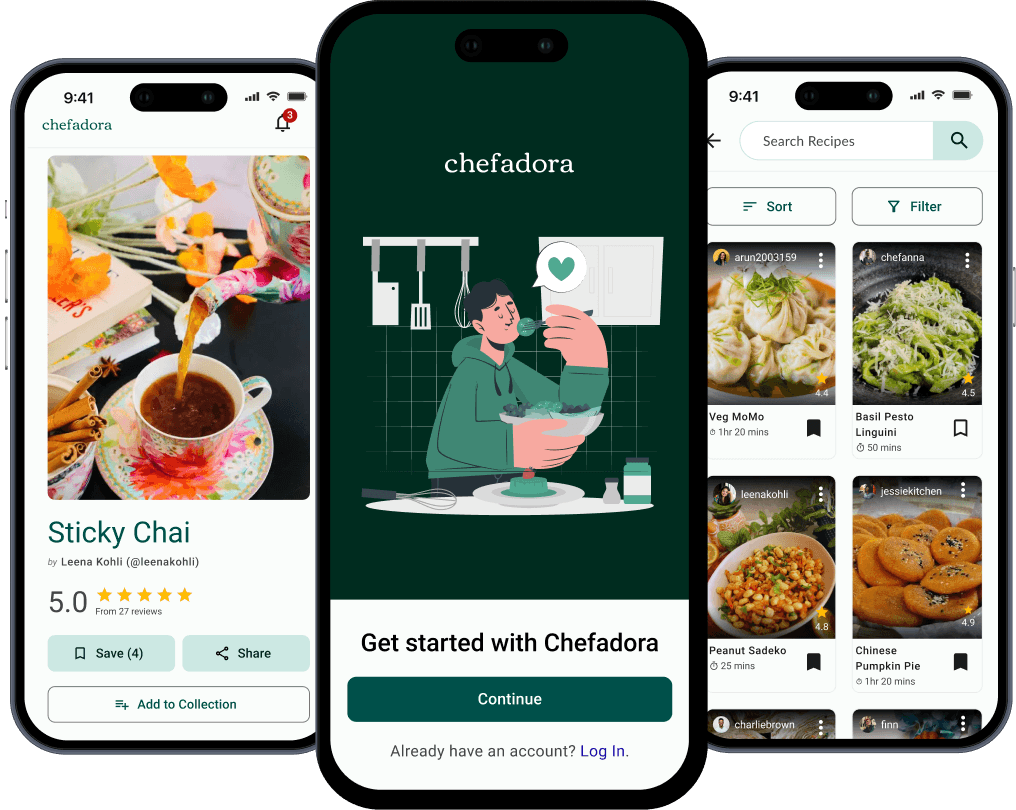
Get cooking with the Chefadora App.
Available now for early access users.


Marnirni-apinthi Building, Lot Fourteen,
North Terrace, Adelaide, South Australia, 5000
Australia
