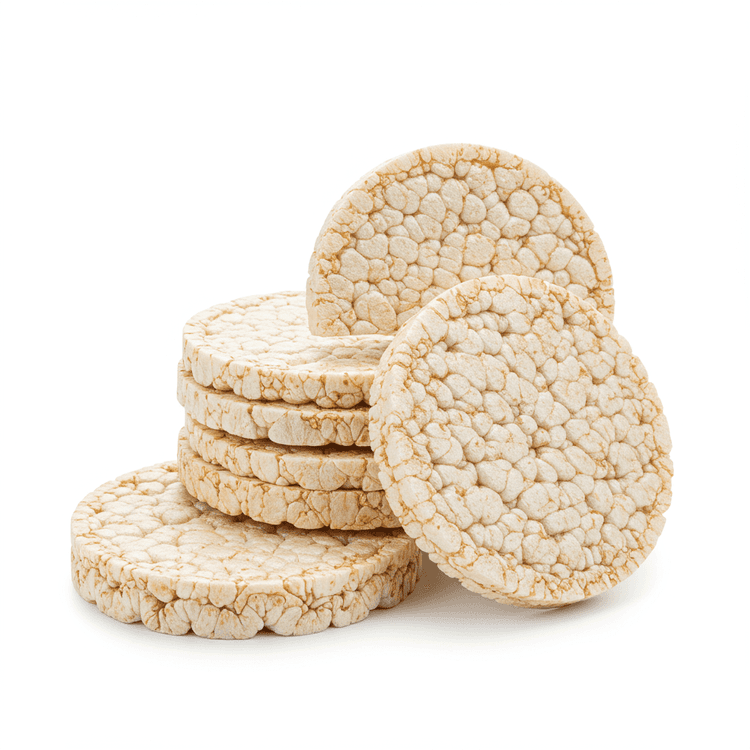
Puffed grains, often enjoyed as a light and airy breakfast cereal or snack, offer more than just a satisfying crunch. These unassuming kernels pack a surprising nutritional punch and versatility that makes them a welcome addition to a balanced diet. Common puffed grains include rice, wheat, corn, and quinoa, each boasting its own unique nutrient profile.
While the puffing process – typically involving high heat and pressure – can slightly reduce some nutrient levels, puffed grains still retain a significant amount of their original goodness. Many are a good source of complex carbohydrates, providing sustained energy to fuel your day. This slow-releasing energy helps regulate blood sugar levels, preventing energy crashes and promoting satiety. Some varieties, particularly those made from whole grains, are also a decent source of fiber, essential for digestive health, promoting regularity, and contributing to a healthy gut microbiome. Fiber also plays a role in managing cholesterol levels and reducing the risk of chronic diseases.
Beyond carbohydrates and fiber, puffed grains can contribute essential vitamins and minerals to your diet. For example, brown rice-based puffed cereals often contain manganese, important for bone health, metabolism, and antioxidant defense. Some are also fortified with iron, crucial for oxygen transport and preventing anemia, as well as B vitamins, which play a vital role in energy production and nerve function. Quinoa-based puffed grains are a complete protein source, containing all nine essential amino acids that the body cannot produce on its own, making them an excellent choice for vegetarians and vegans.
Culinary applications for puffed grains extend far beyond the cereal bowl. They can be used to create light and crispy coatings for chicken, fish, or vegetables, offering a gluten-free alternative to traditional breadcrumbs. Puffed rice is a key ingredient in many Asian snacks, such as puffed rice cakes and sweet rice treats. They can also be incorporated into homemade granola bars, trail mixes, and even desserts, adding a delightful texture and subtle flavor. Consider using puffed quinoa or amaranth to add a nutritious boost to salads or as a topping for yogurt.
The importance of puffed grains in a balanced diet lies in their versatility, accessibility, and potential nutritional contributions. They offer a relatively low-calorie, carbohydrate-rich option that can be easily incorporated into various meals and snacks. Choosing whole-grain varieties and those with minimal added sugar will maximize their health benefits. By providing sustained energy, fiber, and essential nutrients like manganese, iron, and B vitamins, puffed grains can play a supportive role in promoting overall well-being. Furthermore, their light and airy texture can add a delightful dimension to your culinary creations, making healthy eating more enjoyable and sustainable. When selecting puffed grains, be mindful of added sugars and opt for unsweetened or minimally sweetened options whenever possible to reap the greatest health benefits. They aren’t a complete meal on their own, but they can be an easy and beneficial part of one. ||
Puffed Grains are an essential part of a healthy diet, providing a wide range of nutrients and health benefits. Explore our collection of puffed grains ingredients.