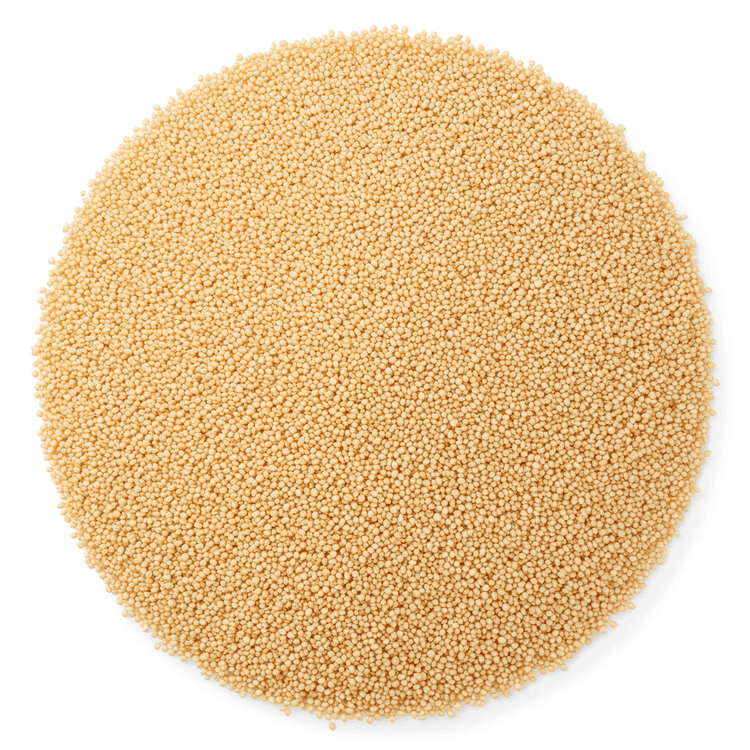
Pseudocereals, often mistaken for grains, are actually seeds that are nutritionally similar and used in much the same way as traditional cereals. This category boasts a wealth of health benefits and culinary versatility, making them a fantastic addition to any balanced diet. Buckwheat, quinoa, and amaranth are the most well-known examples of pseudocereals.
One of the primary advantages of pseudocereals lies in their gluten-free nature. This makes them an excellent choice for individuals with celiac disease, gluten intolerance, or those simply seeking to reduce their gluten intake. Beyond being gluten-free, pseudocereals are nutritional powerhouses. Quinoa, for instance, is a complete protein, containing all nine essential amino acids that the human body cannot produce on its own. This is particularly important for vegetarians and vegans who may find it challenging to obtain complete proteins from plant-based sources. Amaranth is a good source of lysine, an amino acid often lacking in grains.
Furthermore, pseudocereals are packed with vitamins and minerals. Buckwheat is rich in magnesium, which plays a crucial role in muscle function, nerve health, and blood sugar control. Quinoa is an excellent source of iron, essential for oxygen transport in the blood, and manganese, an antioxidant that helps protect cells from damage. Amaranth provides significant amounts of calcium, important for bone health, and phosphorus, vital for energy production and cell repair. These micronutrients contribute to overall well-being and support various bodily functions.
In the kitchen, pseudocereals offer incredible versatility. Quinoa is often used as a substitute for rice or couscous in salads, side dishes, and main courses. Its slightly nutty flavor pairs well with a variety of vegetables, herbs, and spices. Buckwheat flour is a staple in pancakes, crepes, and soba noodles, lending a unique earthy flavor and texture. Amaranth can be popped like popcorn or ground into flour for baking. From hearty breakfast bowls to savory dinner plates, the culinary possibilities are endless. Consider trying quinoa salad with roasted vegetables and feta cheese, buckwheat pancakes with fresh berries and maple syrup, or amaranth porridge with cinnamon and nuts.
Incorporating pseudocereals into your diet contributes to a balanced and wholesome eating pattern. Their high fiber content promotes digestive health, helps regulate blood sugar levels, and can contribute to feelings of fullness, aiding in weight management. The combination of protein, complex carbohydrates, and essential nutrients provides sustained energy throughout the day. By including pseudocereals in your meal planning, you're not only diversifying your diet but also reaping the benefits of their unique nutritional profile. Embrace the versatility and health advantages of these remarkable seeds and elevate your culinary creations while nourishing your body. ||
Pseudocereal are an essential part of a healthy diet, providing a wide range of nutrients and health benefits. Explore our collection of pseudocereal ingredients.