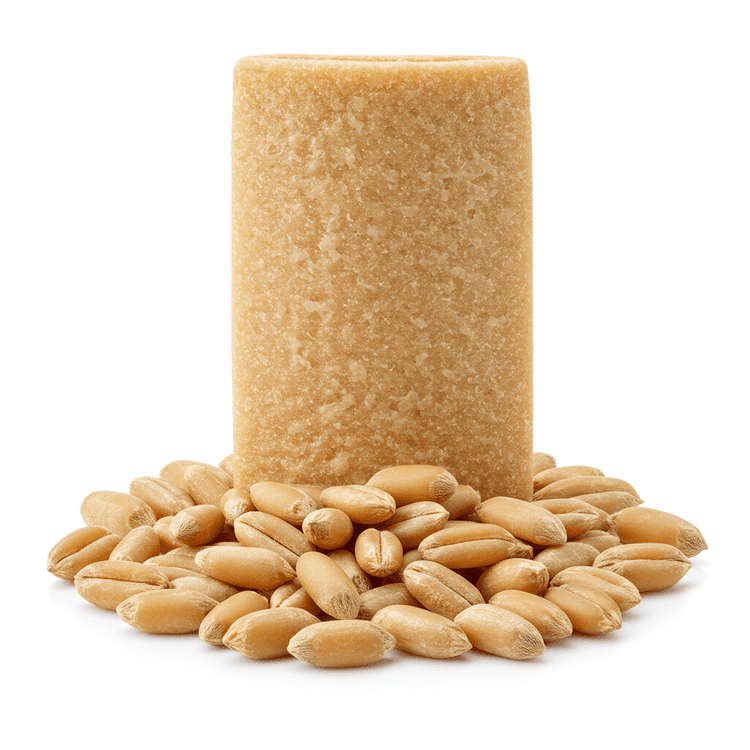
Processed ingredients are a broad category of foods that have undergone some form of alteration from their natural state, typically for preservation, convenience, or enhanced flavor. While the term 'processed' often carries a negative connotation, it’s important to recognize that not all processed foods are inherently unhealthy. In fact, many processed ingredients play a vital role in modern cooking and nutrition, offering convenience, extended shelf life, and accessibility to a wide range of flavors and textures. From canned vegetables and frozen fruits to fermented foods like yogurt and kimchi, processed ingredients can be a valuable addition to a balanced diet when chosen wisely.
One of the key benefits of processed ingredients is their ability to retain or even enhance certain nutrients. For example, frozen fruits and vegetables are often flash-frozen at peak ripeness, preserving their vitamins and minerals better than fresh produce that may degrade during transport and storage. Similarly, fortified processed foods like breakfast cereals and plant-based milk can provide essential nutrients such as calcium, vitamin D, and iron, which are crucial for overall health. Fermented processed ingredients like sauerkraut, miso, and kefir are rich in probiotics, which support gut health and digestion.
Processed ingredients also offer incredible versatility in the kitchen. Canned tomatoes, for instance, are a staple in countless recipes, from hearty pasta sauces to comforting soups and stews. Pre-packaged grains like quinoa or rice blends simplify meal prep while providing complex carbohydrates and fiber. Even minimally processed items like nut butters or whole-grain bread can serve as nutrient-dense bases for snacks and meals. For home cooks, processed ingredients can save time without sacrificing flavor, making it easier to prepare wholesome dishes on busy days. Popular dishes featuring processed ingredients include stir-fries with frozen vegetables, smoothies with frozen fruits, and casseroles with canned beans or cream-based soups.
Incorporating processed ingredients into your diet can be a smart strategy for maintaining overall wellness, especially when paired with fresh, whole foods. The key is to focus on minimally processed options and read labels carefully to avoid excessive added sugars, sodium, and unhealthy fats. For example, choosing plain yogurt over flavored varieties or opting for unsalted canned beans can make a significant difference in nutritional quality. Processed ingredients can also help reduce food waste by extending the usability of perishable items, making them an eco-friendly choice for conscientious consumers.
Ultimately, processed ingredients are an essential part of modern diets, offering convenience, variety, and nutritional benefits when selected thoughtfully. By understanding their role and making informed choices, you can enjoy the best of both worlds—flavorful, easy-to-prepare meals that support your health and wellness goals. Whether you’re a busy parent, a health-conscious foodie, or someone exploring new culinary horizons, processed ingredients can be a valuable ally in your kitchen. ||
Processed Ingredient are an essential part of a healthy diet, providing a wide range of nutrients and health benefits. Explore our collection of processed ingredient ingredients.