The Sweet and Savory World of Preserves: A Culinary and Nutritional Delight
Preserves, in their simplest form, are fruits or vegetables transformed into delectable spreads through the art of preserving. More than just a tasty addition to toast or pastries, preserves offer a unique blend of flavor, history, and surprising nutritional benefits. From classic fruit jams and jellies to tangy vegetable chutneys and relishes, this category encompasses a wide array of culinary creations that can elevate your meals and contribute to a well-rounded diet.
The foundation of most preserves lies in the natural goodness of fruits and vegetables. These vibrant ingredients are packed with essential vitamins and minerals, providing a concentrated dose of antioxidants that combat free radicals and promote overall health. Depending on the fruit or vegetable used, preserves can be a good source of Vitamin C, crucial for immune function and skin health; potassium, an electrolyte vital for maintaining healthy blood pressure; and various phytonutrients with anti-inflammatory properties. Fiber, while somewhat reduced during processing, is still present and contributes to digestive health. Remember that the specific nutritional content will vary depending on the base ingredients and the amount of added sugar.
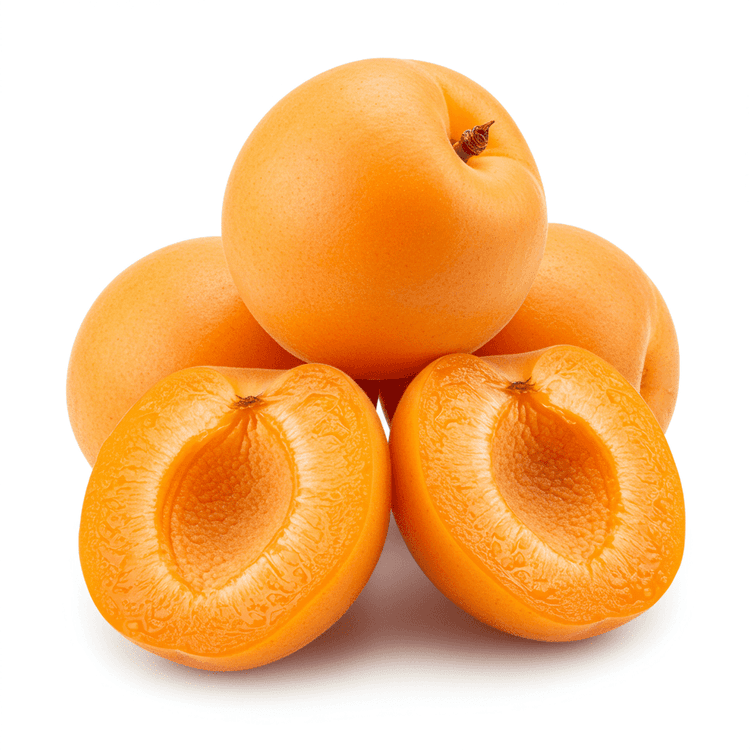
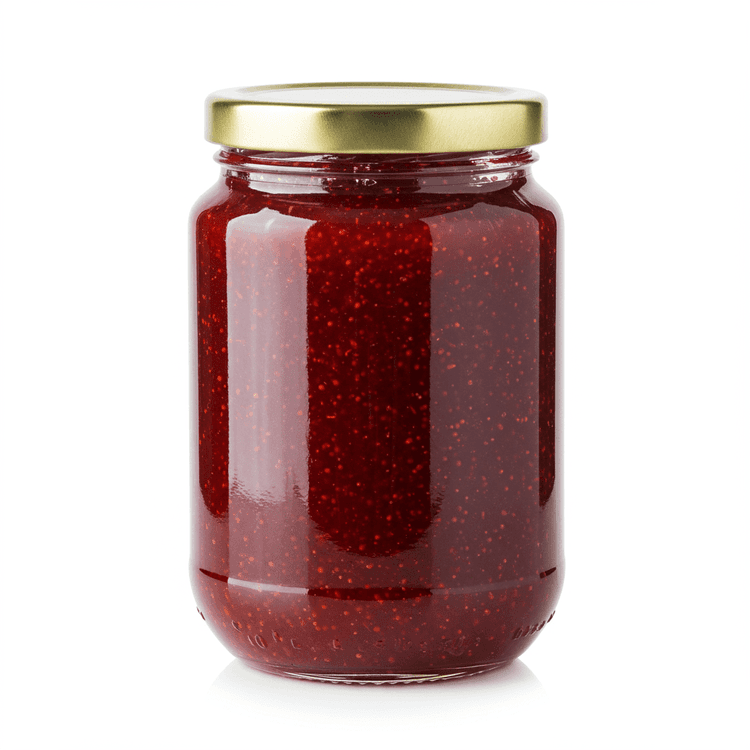
Culinary applications for preserves are boundless. Sweet fruit preserves like strawberry jam, apricot preserves, and blueberry preserves are classic additions to breakfast tables, enhancing toast, scones, and muffins. They also shine as fillings for pastries, components of sauces for meats, and even as a glaze for roasted vegetables. Savory preserves, such as tomato chutney, pickled onions, and pepper relish, offer a contrasting burst of flavor to cheese boards, sandwiches, and grilled dishes. They can be incorporated into marinades, used as a topping for burgers, or served as a condiment alongside roasted poultry or fish. Popular dishes featuring preserves include peanut butter and jelly sandwiches, charcuterie boards with fig jam and cheese, and braised pork loin with apple chutney. The versatility of preserves makes them an invaluable ingredient for both amateur and professional cooks.
Why are preserves important for a balanced diet? While it's crucial to acknowledge that many commercially produced preserves contain added sugar, they can still play a positive role in your overall wellness. By incorporating homemade or carefully selected preserves with lower sugar content, you can enjoy the concentrated flavor and nutritional benefits of fruits and vegetables throughout the year, even when they are out of season. They can also encourage consumption of other healthy foods. A dollop of homemade raspberry jam on a bowl of plain yogurt can transform a bland breakfast into a nutritious and enjoyable meal. Moreover, the act of making preserves at home can be a mindful and rewarding activity, connecting you to the seasons and the bounty of nature. Choose preserves wisely, prioritize those with lower sugar content and whole fruit pieces, and enjoy them as a delicious and nutritious complement to your diet. Think of preserves as a flavorful bridge between the garden and the plate, enriching your meals and nourishing your body with the concentrated goodness of fruits and vegetables. ||
Preserves are an essential part of a healthy diet, providing a wide range of nutrients and health benefits. Explore our collection of preserves ingredients.