The Aromatic World of Powdered Spices: Enhancing Flavor and Health
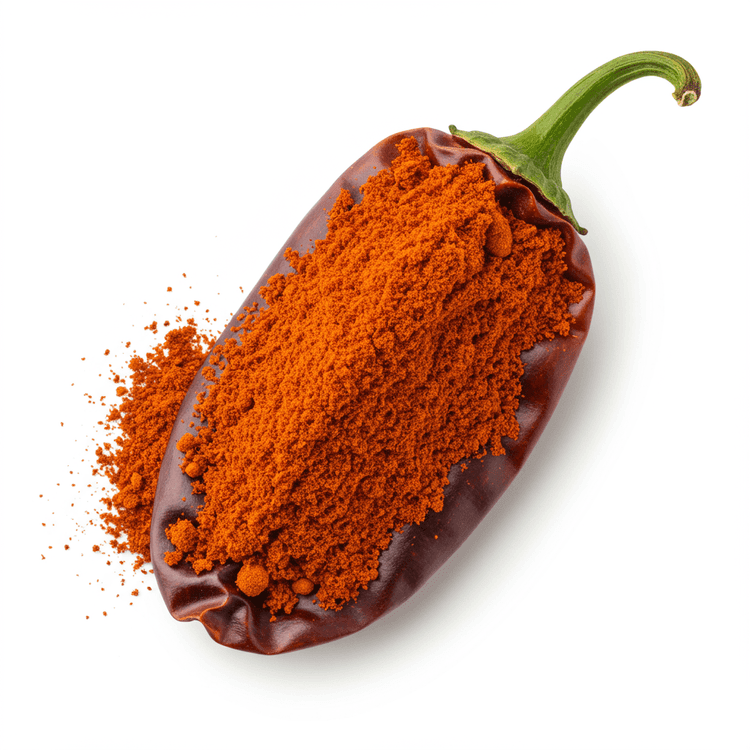
Powdered spices, the finely ground essence of seeds, roots, fruits, and bark, are culinary powerhouses that offer far more than just flavor. They are concentrated sources of antioxidants, vitamins, and minerals, contributing significantly to both the taste and nutritional profile of our meals. From the warming embrace of cinnamon to the fiery kick of chili powder, these potent ingredients have been treasured for centuries, not only for their ability to transform dishes but also for their potential health benefits.
Many powdered spices boast impressive antioxidant properties. Turmeric, with its active compound curcumin, is renowned for its anti-inflammatory and antioxidant effects. Ginger, often used in powdered form, is a powerful anti-nausea remedy and contains gingerol, another potent antioxidant. Cinnamon is also rich in antioxidants that can help protect the body against oxidative stress. These antioxidants play a vital role in neutralizing free radicals, reducing cellular damage, and potentially lowering the risk of chronic diseases. Beyond antioxidants, powdered spices can also be excellent sources of essential minerals. For example, paprika is a source of vitamin A, while cumin provides iron. Garlic powder, derived from dehydrated garlic, offers a concentrated dose of allicin, a compound associated with immune-boosting properties.
Culinary uses for powdered spices are incredibly diverse. They are essential for flavoring soups, stews, sauces, marinades, and rubs for meats and vegetables. In baking, spices like cinnamon, nutmeg, and cardamom add warmth and depth to cakes, cookies, and breads. Globally, powdered spices form the foundation of many beloved dishes. Indian curries rely heavily on blends like garam masala and curry powder, while Mexican cuisine often features chili powder, cumin, and oregano. Mediterranean dishes frequently incorporate dried herbs like oregano, thyme, and rosemary in powdered form. Spice blends are also a convenient way to add complex flavor profiles to meals without having to measure out individual spices. Consider using smoked paprika to infuse a smoky flavor into a vegetarian chili, or adding a pinch of cayenne pepper to your chocolate brownies for a subtle kick.
The importance of powdered spices in a balanced diet often goes unnoticed, but they contribute significantly to overall wellness. They offer a low-calorie, nutrient-dense way to enhance the flavor of healthy foods, making them more appealing and encouraging consumption. By adding flavor without added salt, sugar or fat, spices can help support a balanced diet. Moreover, the specific phytonutrients within different spices offer their own unique health benefits. For example, compounds in chili peppers can boost metabolism, while those in ginger and turmeric may reduce inflammation. Incorporating a wide variety of powdered spices into your diet is a simple and delicious way to boost your intake of essential nutrients and promote long-term health. Consider adding a dash of cinnamon to your morning oatmeal, sprinkling turmeric on roasted vegetables, or incorporating a flavorful spice blend into your next homemade soup. With their versatility and impressive nutritional profiles, powdered spices truly are a gift to both our palates and our well-being. Remember to store your powdered spices in airtight containers away from light and heat to preserve their flavor and potency. ||
Powdered Spice are an essential part of a healthy diet, providing a wide range of nutrients and health benefits. Explore our collection of powdered spice ingredients.