Plant-based oils, extracted from seeds, nuts, fruits, and grains, are culinary cornerstones and nutritional powerhouses. Ranging from the delicate flavor of olive oil to the robust taste of sesame oil, this diverse category offers a spectrum of possibilities for enhancing both the taste and health profile of your meals.
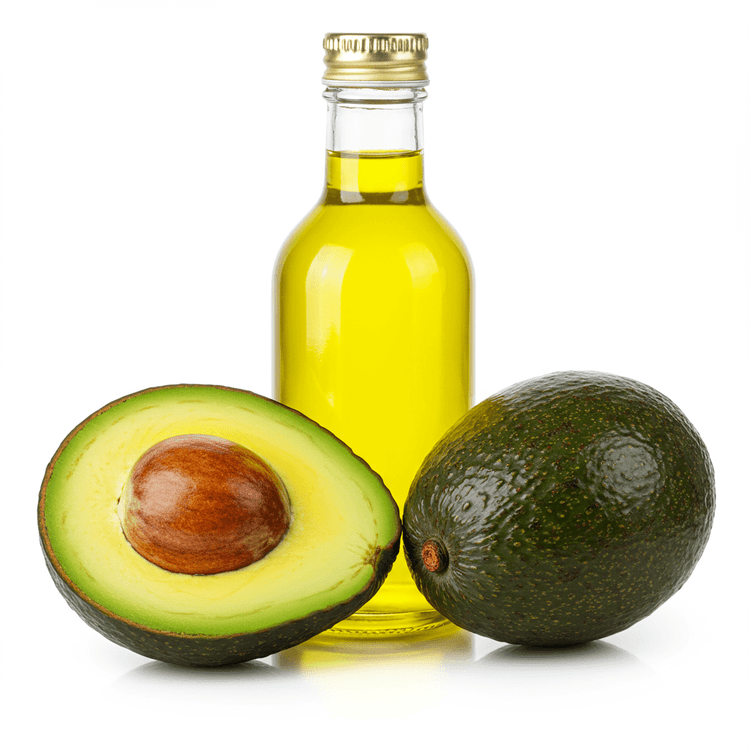
Beyond their culinary versatility, plant-based oils provide essential fatty acids, particularly monounsaturated and polyunsaturated fats, which are crucial for heart health. Olive oil, rich in monounsaturated fats and antioxidants like oleocanthal, is well-known for its anti-inflammatory properties and potential to lower the risk of cardiovascular disease. Flaxseed oil stands out as a potent source of omega-3 fatty acids, specifically alpha-linolenic acid (ALA), which the body can convert into EPA and DHA, essential for brain function and reducing inflammation. Avocado oil delivers a smooth, buttery flavor and is packed with monounsaturated fats and vitamin E, a powerful antioxidant protecting cells from damage.
Coconut oil, though predominantly saturated, is composed of medium-chain triglycerides (MCTs) that are metabolized differently than long-chain saturated fats. Some studies suggest MCTs may offer benefits related to weight management and energy levels, but moderation is key. Canola oil, a neutral-flavored option, provides a good balance of monounsaturated and polyunsaturated fats, while sunflower oil is a source of vitamin E and linoleic acid, an omega-6 fatty acid essential for skin health and inflammation regulation. Safflower oil is high in oleic acid, known for its heart-healthy properties.
In the kitchen, plant-based oils are indispensable. Olive oil is perfect for sautéing, drizzling over salads, and dipping bread. Coconut oil adds a subtle sweetness to baked goods and stir-fries. Sesame oil imparts a nutty aroma to Asian-inspired dishes. Avocado oil’s high smoke point makes it ideal for high-heat cooking like searing and grilling. Flaxseed oil, due to its delicate nature, is best used cold, such as in salad dressings or smoothies. Many plant-based oils like avocado, grapeseed, or even a good quality extra virgin olive oil are excellent for homemade mayonnaise or infused oils.
Plant-based oils are a critical component of a balanced diet. They provide essential fats that the body cannot produce on its own, supporting cell function, hormone production, and nutrient absorption. These oils are also valuable sources of fat-soluble vitamins like vitamins A, D, E, and K, as well as antioxidants that protect against cellular damage and promote overall health. Incorporating a variety of plant-based oils into your diet not only enhances the flavor of your meals but also contributes to your long-term well-being. Be mindful of portion sizes, as oils are calorie-dense, and choose cold-pressed or expeller-pressed varieties to maximize nutrient retention and minimize processing. ||
Plant-Based Oil are an essential part of a healthy diet, providing a wide range of nutrients and health benefits. Explore our collection of plant-based oil ingredients.