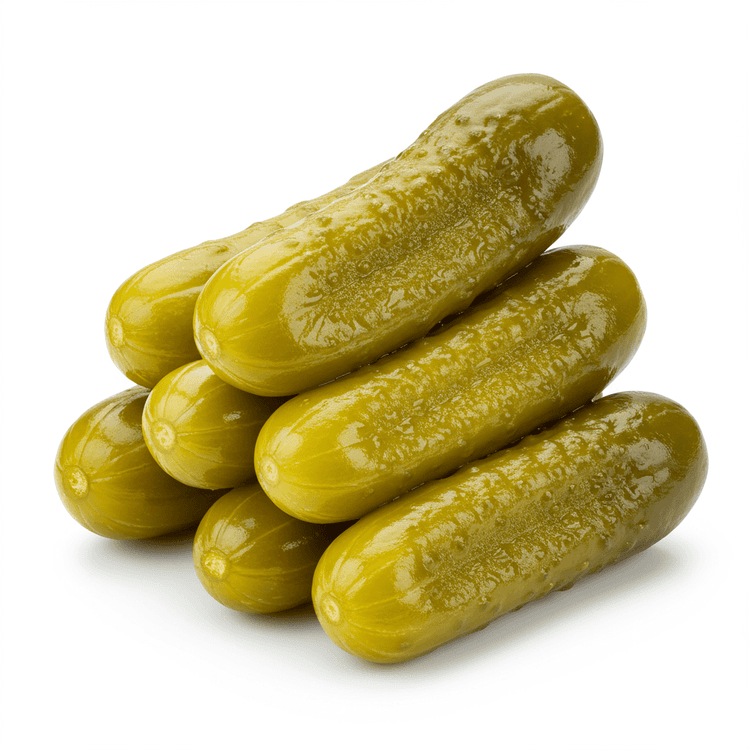
Pickled vegetables, a culinary delight found across cultures, offer a symphony of tangy flavors and a surprisingly robust nutritional profile. The pickling process, typically involving brine, vinegar, and spices, not only preserves vegetables but also often enhances their inherent goodness. From crisp pickled cucumbers to fiery kimchi, the world of pickled vegetables is vast and varied, offering something for every palate.
One of the primary health benefits of many pickled vegetables is their probiotic content. Fermented pickles, like sauerkraut or kimchi, are teeming with beneficial bacteria that support gut health. A healthy gut microbiome is crucial for digestion, nutrient absorption, and even immune function. These probiotics can aid in alleviating digestive issues like bloating and constipation. Furthermore, a thriving gut flora has been linked to improved mental health and reduced inflammation throughout the body. While not all pickled vegetables are fermented (some are simply brined), those that are provide a potent dose of these helpful microorganisms.
Beyond probiotics, pickled vegetables retain many of the original vitamins and minerals present in the raw vegetables. For instance, pickled cabbage (sauerkraut) is a good source of vitamin C, important for immune function and collagen production, and vitamin K, essential for blood clotting and bone health. Pickled peppers, depending on the type, can provide vitamin A, beneficial for vision and skin health. While the pickling process can sometimes reduce the levels of certain nutrients, it often makes others more bioavailable, meaning the body can absorb them more easily.
In the kitchen, pickled vegetables are incredibly versatile. They add a vibrant, acidic kick to a wide range of dishes. Think of the classic dill pickle accompanying a burger, or the tangy bite of pickled onions topping tacos. Kimchi is a staple in Korean cuisine, used in everything from stews and fried rice to pancakes. Pickled beets add a sweet and earthy note to salads, while pickled asparagus makes a sophisticated appetizer. Pickled vegetables can be enjoyed straight from the jar as a snack, added to sandwiches and wraps for extra flavor and crunch, or used as a garnish to brighten up a plate.
Incorporating pickled vegetables into a balanced diet contributes to overall wellness in several ways. Their low calorie count makes them a guilt-free addition to any meal. The fermentation process can create unique compounds that have antioxidant properties, helping to protect cells from damage. The vinegar used in pickling can also help to regulate blood sugar levels. Plus, their intense flavor can help to satisfy cravings for salt and unhealthy snacks. Whether you're a seasoned foodie or just looking for ways to add more variety and nutrition to your diet, pickled vegetables are a delicious and healthy choice. Embrace the tangy, crunchy goodness and explore the diverse world of pickled vegetables today! ||
Pickled Vegetable are an essential part of a healthy diet, providing a wide range of nutrients and health benefits. Explore our collection of pickled vegetable ingredients.