Peppercorns, those tiny powerhouses of flavor, are far more than just a seasoning. They're the dried berries of the Piper nigrum plant, a flowering vine native to South India, and come in a spectrum of colors – black, white, green, and red – each offering a unique taste profile and subtle variations in nutritional benefits. While peppercorns are primarily known for their pungent flavor and ability to enhance other ingredients, they also contribute to overall health and well-being in surprising ways.
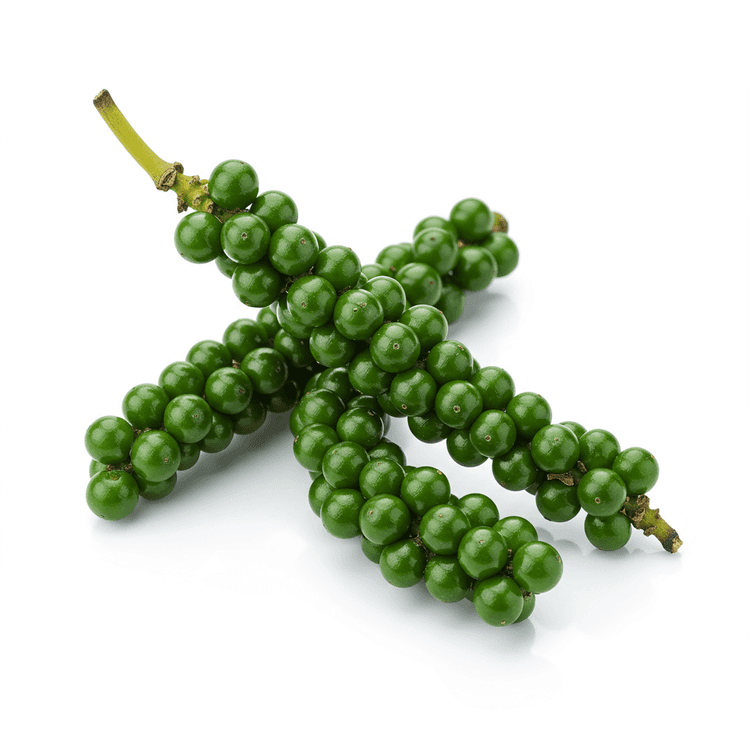
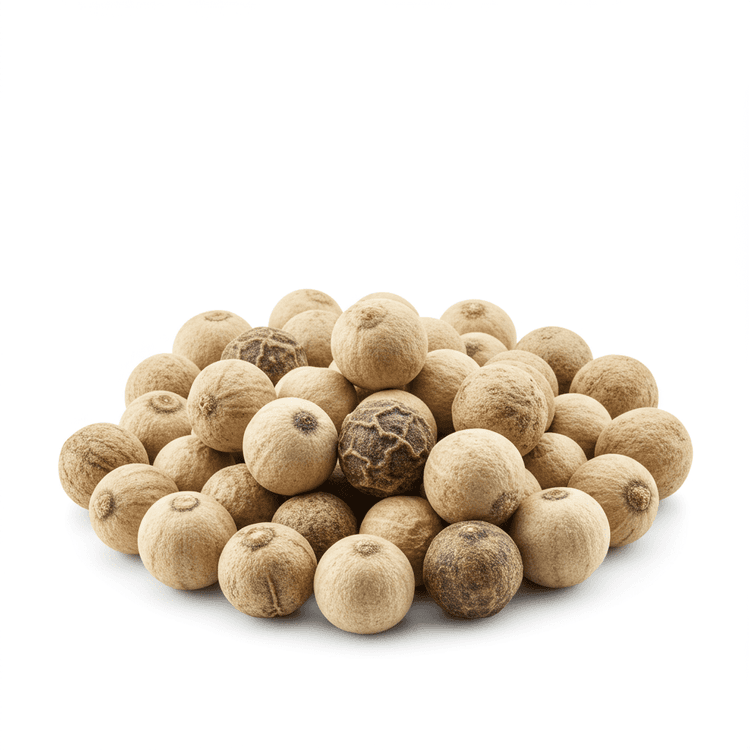
Black peppercorns, the most common variety, are harvested when almost ripe and then sun-dried, giving them their characteristic wrinkled appearance and robust flavor. White peppercorns are fully ripened, soaked, and then have their outer layer removed, resulting in a milder, more refined taste. Green peppercorns are harvested when unripe and preserved in brine or freeze-dried, offering a fresh, vegetal flavor. Red peppercorns, often mistakenly confused with pink peppercorns (which are from a different plant altogether), are fully ripened and dried on the vine, boasting a sweet and fruity aroma with a gentle heat.
Beyond their culinary appeal, peppercorns contain compounds like piperine, which has been shown to possess anti-inflammatory and antioxidant properties. Piperine also enhances the bioavailability of certain nutrients, such as curcumin found in turmeric, making peppercorns a valuable addition to dishes designed to promote health. While not a significant source of vitamins and minerals in the amounts typically consumed, peppercorns do offer trace amounts of manganese, vitamin K, and iron. The true benefit lies in their ability to boost the effectiveness of other nutrient-rich foods.
In the kitchen, peppercorns are incredibly versatile. They can be used whole to infuse flavor into stocks, soups, and brines, or ground to add a spicy kick to virtually any dish. Freshly ground black pepper is a staple seasoning for meats, vegetables, and salads. White pepper is often preferred in light-colored sauces and dishes where black specks would be undesirable. Green peppercorns add a bright, zesty note to Thai curries, French sauces, and even desserts. Red peppercorns are delicious in salads, sprinkled over grilled fish, or used to flavor chocolate desserts.
Popular dishes featuring peppercorns include steak au poivre (steak with pepper sauce), cacio e pepe (pasta with cheese and pepper), and a wide range of curries, stir-fries, and soups. They are also essential in many spice blends, such as garam masala and ras el hanout. Whether you're using a pepper grinder for freshly cracked peppercorns or adding whole peppercorns to a simmering pot, their flavor is unmatched.
While peppercorns shouldn't be considered a primary source of essential nutrients, their unique flavor profile and the synergistic effect of piperine make them an important addition to a balanced diet. They encourage the consumption of a wider variety of flavorful, whole foods, contribute to digestive health, and potentially enhance the absorption of other beneficial compounds. By adding a dash of peppercorn to your favorite meals, you're not just adding flavor; you're adding a touch of wellness to your everyday life. Incorporate them into your cooking to elevate taste and potentially boost the health benefits of your meals. They are truly a spice cabinet essential. ||
Peppercorn are an essential part of a healthy diet, providing a wide range of nutrients and health benefits. Explore our collection of peppercorn ingredients.