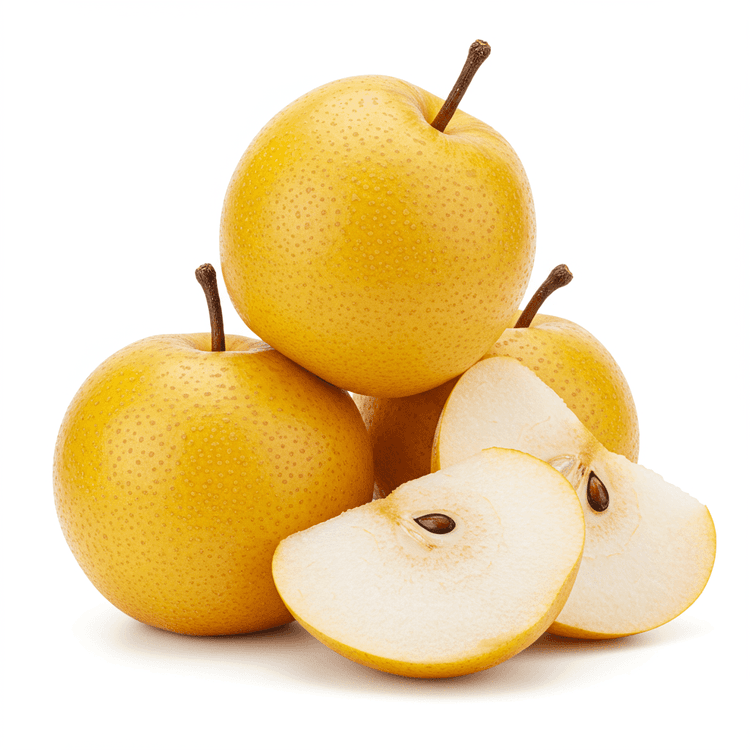
Pears, with their delicate sweetness and satisfyingly crisp texture, are more than just a delicious treat. They're a nutritional powerhouse packed with vitamins, minerals, and dietary fiber that contribute to overall health and well-being. Incorporating pears into your diet is a simple and enjoyable way to boost your nutrient intake and enjoy a range of health benefits.
One of the most significant advantages of pears is their high fiber content. A medium-sized pear contains approximately 6 grams of fiber, both soluble and insoluble. Soluble fiber helps regulate blood sugar levels by slowing down glucose absorption, making pears a smart choice for individuals managing diabetes or seeking to prevent blood sugar spikes. Insoluble fiber promotes healthy digestion by adding bulk to the stool, preventing constipation and supporting a healthy gut microbiome. This digestive support can contribute to improved nutrient absorption and a reduced risk of certain gastrointestinal issues. Eating pears regularly can aid in maintaining a healthy and regular digestive system.
Pears are also a good source of vitamin C, an essential antioxidant that helps protect the body against free radical damage. Vitamin C supports immune function, promotes collagen production for healthy skin, and aids in iron absorption. They also contain vitamin K, important for blood clotting and bone health. Additionally, pears offer essential minerals like potassium, which helps regulate blood pressure and supports nerve and muscle function, and copper, which plays a role in energy production and iron metabolism. The presence of antioxidants and anti-inflammatory compounds in pears can also contribute to reducing the risk of chronic diseases.
Culinary applications of pears are incredibly versatile. They can be enjoyed fresh as a simple snack, adding a naturally sweet and satisfying element to your day. Sliced pears make a delightful addition to salads, pairing well with cheese, nuts, and vinaigrette dressings. Pears can be baked into pies, tarts, and crumbles, offering a moist and flavorful filling. They can also be poached in wine or juice for a sophisticated dessert. Grilled or sautéed pears complement savory dishes, such as pork or chicken, adding a touch of sweetness and enhancing the overall flavor profile. Pear butter and jams are another excellent way to preserve and enjoy the flavor of pears throughout the year. Popular dishes featuring pears include pear and gorgonzola salad, pear tart, poached pears in red wine, and pear chutney.
Including pears in a balanced diet is crucial for maintaining optimal health. Their unique combination of fiber, vitamins, and minerals offers a multitude of benefits, from promoting digestive health and regulating blood sugar to supporting immune function and protecting against chronic diseases. Pears are a low-calorie, nutrient-dense fruit that can easily be incorporated into various meals and snacks, making them a valuable addition to any health-conscious individual's diet. Their versatility and delicious flavor make them a simple and enjoyable way to boost your nutrient intake and support overall wellness. Consider pears as a delicious and beneficial way to enhance your daily nutrition and well-being. ||
Pears are an essential part of a healthy diet, providing a wide range of nutrients and health benefits. Explore our collection of pears ingredients.